Persistent fatigue, digestive issues, and skin changes might be your liver sending a distress signal. Learn to identify key signs of liver fatigue, understand vital liver health indicators, and adopt practical habits to support your body's detox powerhouse and reclaim your energy.

Is Your Constant Exhaustion More Than Just Stress?
Waking up still tired, hitting an energy wall by afternoon, and feeling sluggish even after a relaxing weekend. We often dismiss these feelings as 'just being overworked' or 'needing more sleep.' However, these could be subtle messages from deep within your body. Your liver, often called the 'silent organ,' rarely signals trouble with obvious pain in its early stages. Instead, it begins to send out complex, nuanced alerts. Today, we'll dive into these covert signs of liver fatigue and explore practical ways to support your liver health in your daily life. If chronic fatigue is your constant companion, it's time to check in with your liver. Start making small, positive changes today.
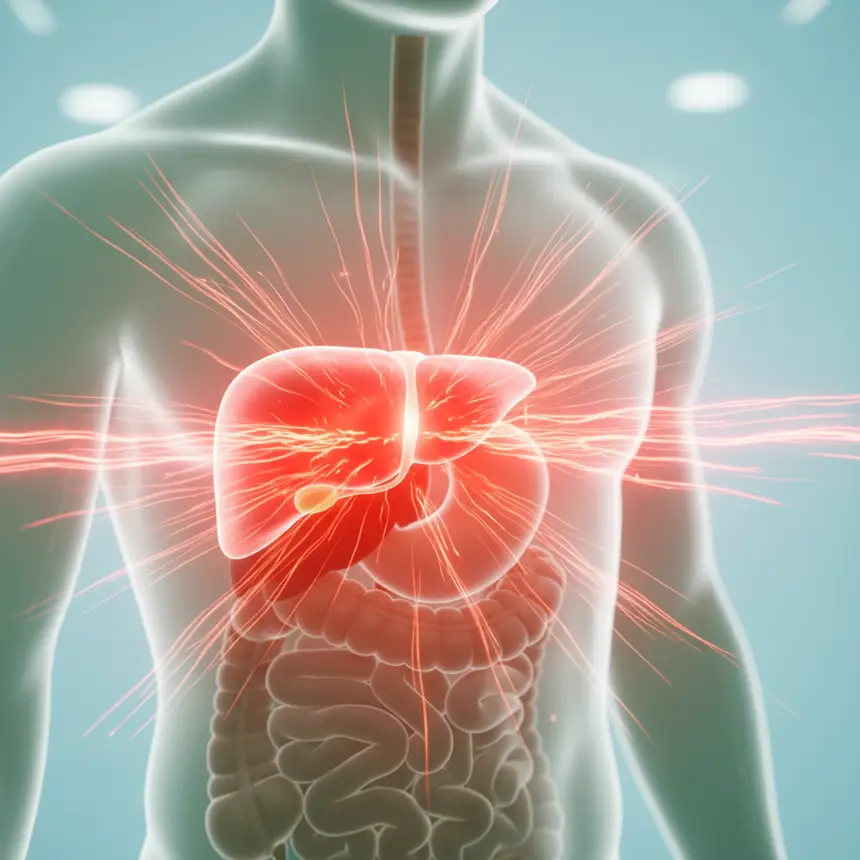
Decoding Your Body's Silent Liver Signals
The liver is a powerhouse organ involved in hundreds of bodily functions, including detoxification, nutrient metabolism, and energy production. When its function falters, it creates a domino effect throughout your entire system. If you notice any of the following changes, it might be time to pay closer attention to your liver health:
- 1. Persistent Fatigue That Won't Go Away: If you wake up feeling drained despite a full night's sleep and experience constant daytime drowsiness, your liver's detoxification capacity might be compromised. This means your body could be constantly exposed to metabolic waste products.
- 2. Post-Meal Sluggishness and Digestive Discomfort: Feeling unusually lethargic and sleepy after meals, along with bloating, gas, or a heavy sensation in your stomach, could indicate issues with your liver's role in digestion. The liver produces bile, crucial for fat digestion, and reduced function can slow down the entire digestive process, especially after fatty meals.
- 3. Changes in Alcohol Recovery: If a drink or two now leaves you flushed, with a longer-lasting hangover, or a slower recovery the next day, it suggests your liver's ability to process alcohol isn't what it used to be. Continuous strain can decrease the activity of detox enzymes, making you more sensitive to even small amounts of alcohol.
- 4. Skin and Complexion Changes: A sluggish liver struggles to filter toxins from your blood, which can manifest on your skin. You might notice a dull or sallow complexion, increased breakouts, slower healing, or frequent puffiness around your eyes in the morning. These are more than just skin deep.
- 5. Brain Fog and Poor Concentration: The liver plays a vital role in providing energy to the brain. When its function declines, the brain's energy supply can become unstable, leading to difficulties with focus, forgetfulness, and a general feeling of 'brain fog.' If your mental sharpness isn't what it once was, consider your liver.
- 6. Frequent Belching, Bloating, and Heartburn: The liver is crucial for enzyme production and bile secretion, which aids digestion. Impaired liver function can affect gastric emptying, causing food to linger longer in the stomach. This can lead to increased gas, belching, abdominal distension, and even heartburn. These liver fatigue symptoms are often easy to overlook in daily life, so it's a good practice to consistently note and observe any small changes.
※ This post contains affiliate links. I may earn a commission at no extra cost to you.


Nourishing Your Liver: Key Nutrients and Lifestyle Choices
To restore and maintain liver health, a balanced diet and consistent lifestyle habits are paramount. Make sure you're getting enough essential nutrients that support your body's detoxification powerhouse and adopt healthy routines.
- Nutrients that aid liver detoxification:
- Antioxidants: Vitamins C, E, and selenium help protect liver cells from free radical damage. They are abundant in fresh green leafy vegetables and berries.
- B Vitamins: These act as crucial coenzymes in the liver's metabolic and detoxification pathways. Find them in whole grains, lean meats, and legumes.
- Specific Botanical Extracts: Compounds like silymarin, found in certain plant extracts, are known to positively influence liver cell protection and regeneration. These can be sourced from various botanical ingredients.
- Omega-3 Fatty Acids: These can help manage fat accumulation in the liver and regulate inflammatory responses. Rich sources include fatty fish and nuts.
- Vitamin D: Plays an important role in immune function and overall liver health. You can obtain it through sun exposure or certain fortified foods.
- A Liver-Friendly Diet: Aim to reduce excessive sugar, saturated fats, and trans fats, focusing instead on fresh vegetables, fruits, whole grains, and lean protein sources. Avoiding late-night meals and overeating is particularly beneficial for reducing liver strain.
- Regular Physical Activity: Engaging in at least 30 minutes of aerobic exercise, three or more times a week, can help reduce fat within the liver and improve overall metabolic health. Opt for sustainable activities like walking, jogging, or swimming. Starting today, add some leafy greens and whole grains to your meals, and aim for a 30-minute walk daily.
Understanding Your Liver Numbers and Daily Habits for Support
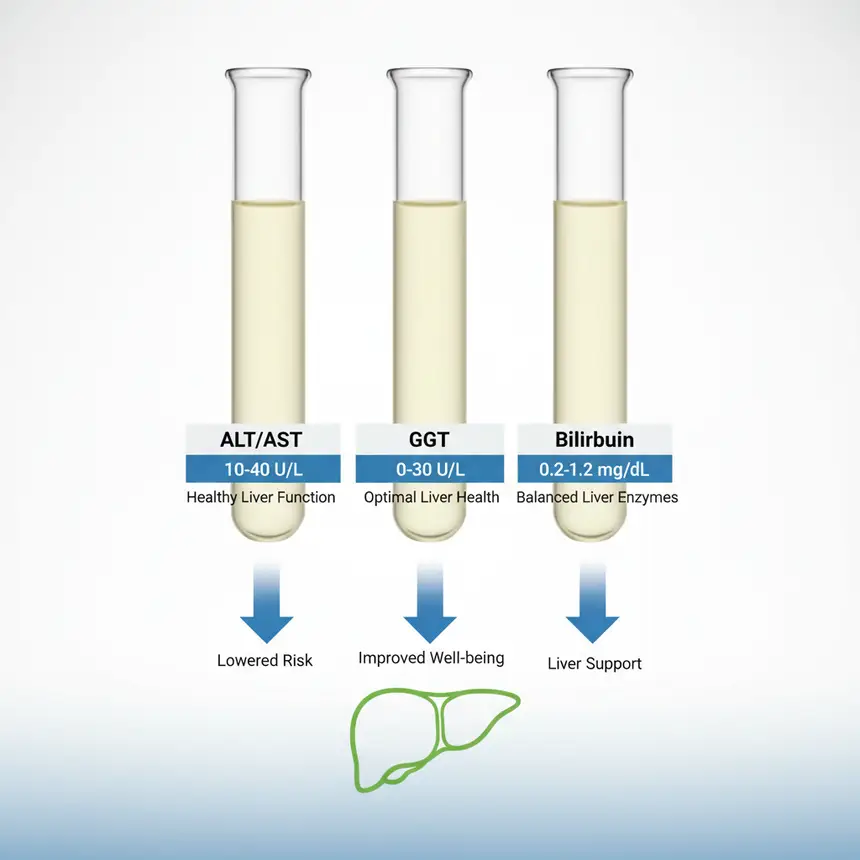
Once you recognize potential liver fatigue, it's crucial to understand and manage your liver enzyme levels through regular health check-ups. Proactive monitoring is key to maintaining optimal liver health.
- Key Liver Function Indicators:
- Aminotransferases (ALT, AST): These enzymes indicate liver cell damage. Typically, a range of 0-40 IU/L is considered normal. Elevated levels suggest potential liver cell injury. If your levels are consistently high, it's advisable to consult a healthcare professional for a thorough evaluation.
- Gamma-Glutamyl Transferase (GGT): This enzyme's levels can rise due to alcohol consumption, certain medications, or bile duct obstruction. Normal ranges can vary, with men sometimes having slightly higher thresholds than women. High GGT may prompt a review of alcohol habits and overall detox stress.
- Bilirubin: A substance formed when red blood cells break down, processed and excreted by the liver. A normal level is usually below 1.2 mg/dL. Elevated bilirubin can indicate issues with the liver's ability to excrete bile or may be associated with jaundice symptoms.
- Everyday Habits for Liver Well-being:
- Moderate Alcohol Intake and Alcohol-Free Days: To reduce the liver's burden of alcohol detoxification, aim for at least three alcohol-free days per week. On drinking days, adhere to recommended moderation guidelines.
- Adequate Hydration: Instead of drinking large amounts at once, sip water consistently throughout the day. This aids the liver's detoxification processes and waste elimination. Try to consume 1.5 to 2 liters of water daily.
- Quality Sleep and Stress Management: Your liver actively repairs and regenerates while you sleep. Establishing a regular sleep schedule and managing stress are vital for liver health. Incorporate relaxation techniques like meditation or gentle stretching to reduce stress.
- Caffeine Moderation: Consuming caffeine late in the evening can disrupt sleep quality, hindering your liver's recovery. Opt for decaffeinated beverages in the late afternoon and evening. Review your latest blood test results with your doctor or pharmacist. Additionally, starting tonight, try reducing screen time before bed to foster a better sleep environment.
Listen to Your Liver: Your Body's Unsung Hero
While every organ in our body is vital, the liver silently performs its duties, sustaining our life. The subtle, often painless, signs of liver fatigue can sometimes be the liver's last warning signals. By integrating the insights about liver health discussed today, it's crucial to reflect on your lifestyle and implement small, impactful changes. The liver is known for its remarkable regenerative capacity. Consistent care, starting now, can help you regain your vitality and build a healthier future. Don't hesitate; now is the time to make a small investment in your liver's well-being. A healthy liver is the cornerstone of a vibrant life. Begin your journey toward better liver health today and experience the positive changes in your body.
Frequently Asked Questions
Q: Should I see a doctor if I notice symptoms of liver fatigue?
A: If symptoms persist or worsen, it's crucial to consult a healthcare professional for an accurate diagnosis. Relying on self-assessment is not ideal; professional examination is the safest and most effective way to identify the cause and take appropriate action.
Q: What are the normal ranges for liver enzyme levels?
A: Generally, ALT and AST levels are considered normal between 0-40 IU/L, and bilirubin below 1.2 mg/dL. GGT levels can vary, with men sometimes having slightly higher normal ranges than women. Always refer to your specific lab results and discuss them with your healthcare provider.
Q: What nutrients are beneficial for liver health?
A: B vitamins, certain botanical extracts (like silymarin), Omega-3 fatty acids, Vitamin D, and antioxidants such as Vitamins C and E are known to positively influence liver health. These can be obtained through a balanced diet, and if necessary, supplements can be considered after consulting with a professional.
Q: What are the most important lifestyle habits for a healthy liver?
A: Avoiding excessive alcohol consumption, maintaining a balanced diet rich in fresh vegetables, fruits, whole grains, and lean proteins, engaging in regular physical activity, getting sufficient sleep, and managing stress are paramount. These habits collectively optimize liver function and promote overall well-being.