During colder months, our bodies become more susceptible to nutritional imbalances, especially concerning bone health and immunity.
Discover how the rich iron, calcium, and vitamin content in sea vegetables and oysters can help you maintain your well-being this winter.

The Chilling Season's Toll: Unseen Nutritional Gaps in Your Winter Health
As temperatures drop and days shorten, many individuals find themselves grappling with feelings of lethargy and fatigue. Reduced outdoor activities and a natural inclination towards comfort foods—often richer and less nutrient-dense—can inadvertently lead to a shortfall in essential nutrients. Crucially, vital elements for bone health like calcium and vitamin D can become scarce, potentially paving the way for diminished bone density and a weakened immune system over time. These seasonal shifts are clear indicators that our bodies demand heightened attention and a robust nutritional supply. To navigate winter robustly, it's essential to move beyond simply dressing warmly and actively work towards re-establishing fundamental nutritional equilibrium within our bodies.

Decoding Winter Habits: The Roots of Nutritional Imbalance
Nutritional imbalances during winter extend beyond just dietary choices. The significant decrease in daylight hours is a primary factor hindering the body's vitamin D synthesis. Given vitamin D's pivotal role in calcium absorption, its deficiency directly impacts bone health. Furthermore, the colder weather naturally encourages more indoor time, leading to a reduction in physical activity, which in turn diminishes the vital stimulation needed for maintaining bone density. Alongside these environmental factors, a common shift towards more indulgent, high-sugar foods further compromises our intake of essential minerals and vitamins. Ultimately, these intertwined elements collectively contribute to making our nutritional status more vulnerable during the winter months.
※ This post contains affiliate links. I may earn a commission at no extra cost to you.

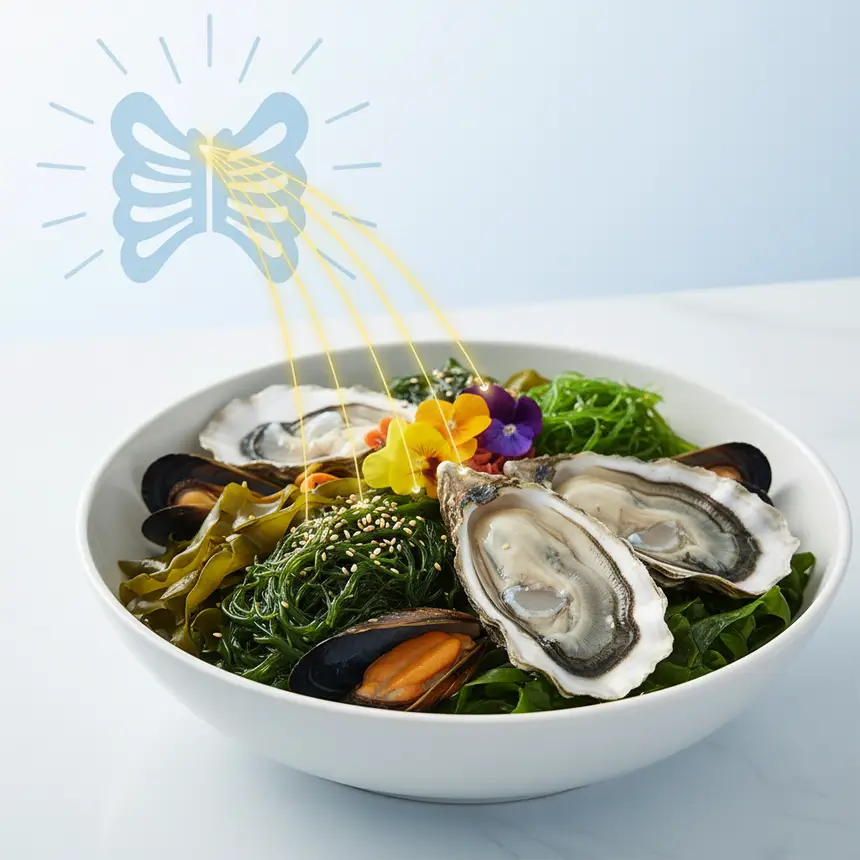
Ocean's Bounty: Winter's Gift for Strong Bones and Vitality
To combat winter nutritional deficiencies and bolster bone strength, certain seasonal ingredients from the ocean deserve special attention. Specific edible sea plants boast exceptionally high iron and calcium content, making them excellent allies against anemia and for maintaining bone density. For instance, one such sea vegetable contains approximately 40 times more iron than milk, along with a rich supply of vitamins A and C, and minerals like iodine, all contributing to overall vitality. However, mindful consumption is key; a daily intake of around 30-100 grams is generally recommended, as excessive amounts of iodine could potentially affect thyroid function.
Similarly, certain bivalve mollusks are revered for their abundance of essential amino acids and calcium, often referred to as 'milk of the sea.' These shellfish are particularly rich in taurine, beneficial for brain health, and provide a balanced profile of various vitamins (A, B, C) and minerals, supporting immune function and recovery. Consuming these two ingredients together can create a synergistic effect, replenishing nutrients often lacking in winter diets and significantly aiding in restoring bone health and overall vigor. Explore diverse culinary applications for these gifts from the sea to enrich your winter meal plan.
Similarly, certain bivalve mollusks are revered for their abundance of essential amino acids and calcium, often referred to as 'milk of the sea.' These shellfish are particularly rich in taurine, beneficial for brain health, and provide a balanced profile of various vitamins (A, B, C) and minerals, supporting immune function and recovery. Consuming these two ingredients together can create a synergistic effect, replenishing nutrients often lacking in winter diets and significantly aiding in restoring bone health and overall vigor. Explore diverse culinary applications for these gifts from the sea to enrich your winter meal plan.

Empower Your Winter: Practical Steps for Essential Nutrient Intake
The first step towards a healthier winter is actively integrating highly nutritious ingredients into your diet. Utilizing the aforementioned oceanic treasures can be an excellent starting point. For example, preparing clear broths or stir-fries featuring seafood and sea vegetables offers an effective way to absorb their valuable nutrients. Prepping these ingredients by portioning and freezing them allows for convenient use year-round, ensuring a consistent supply of nutrients regardless of the season.
Beyond diet, consistently making time for sun exposure is crucial for vitamin D synthesis, and even indoors, engaging in light stretching or strength training helps stimulate bones and muscles. The key is not to rely on just one or two superfoods but to strive for overall nutritional balance by consuming a wide variety of vegetables, whole grains, and protein sources. Small, consistent changes in your eating habits and lifestyle can collectively make a significant difference in maintaining a vibrant and healthy routine, even during the colder months. Start making healthier choices for your daily meals today.
Beyond diet, consistently making time for sun exposure is crucial for vitamin D synthesis, and even indoors, engaging in light stretching or strength training helps stimulate bones and muscles. The key is not to rely on just one or two superfoods but to strive for overall nutritional balance by consuming a wide variety of vegetables, whole grains, and protein sources. Small, consistent changes in your eating habits and lifestyle can collectively make a significant difference in maintaining a vibrant and healthy routine, even during the colder months. Start making healthier choices for your daily meals today.
Frequently Asked Questions
Q. Are there any specific precautions to take when consuming certain sea vegetables like Maesaengi?
A. While very nutritious, it's best to consume sea vegetables like Maesaengi in moderation, typically around 30 to 100 grams per day. Excessive intake can lead to an overload of iodine, potentially affecting thyroid function or causing digestive discomfort.
Q. How do oysters specifically contribute to bone health?
A. Oysters are an excellent source of calcium, which is vital for maintaining strong bones and teeth. They also contain essential amino acids and various minerals that play a crucial role in providing the necessary nutrients for overall bone density maintenance and enhancement.
Q. Is there a particular reason why consuming sea vegetables and oysters is beneficial during winter?
A. During winter, reduced sunlight leads to less vitamin D synthesis, and decreased activity can weaken immunity. Sea vegetables and oysters are rich in vitamins, minerals, and iron—nutrients essential for boosting immunity and maintaining bone health—making them highly effective for managing health during the cold season.
Q. Besides sea vegetables and oysters, what other foods or nutrients are good for bone health?
A. Beyond calcium, vitamin D, magnesium, and vitamin K are crucial for bone health. Dairy products, fatty fish, leafy green vegetables, and nuts are excellent food sources. Additionally, ensuring sufficient vitamin D synthesis through sun exposure is equally important.