Discover effective strategies for managing accumulated body toxins, understanding alcohol metabolism, and promoting waste elimination in today's busy world. Get practical tips for a healthier lifestyle.

Chronic Fatigue and a Sluggish Body: Does This Sound Like You?
In our fast-paced daily lives, it's common to experience unexplained fatigue, digestive issues, skin problems, and a general mental fogginess. You might feel unrefreshed even after a full night's sleep or notice a significant dip in your usual vitality. Many attribute these symptoms to simple stress or lack of sleep, but the continuous accumulation of waste products and toxins from our environment could be a major culprit. Increased consumption of processed foods, irregular eating patterns, insufficient physical activity, and environmental pollutants like air pollution all contribute to overloading our body's natural purification systems. This buildup ultimately impairs overall bodily functions, manifesting as the uncomfortable symptoms mentioned above. For a healthy life, it's essential to address these internal imbalances and effectively manage the accumulated waste within our bodies.
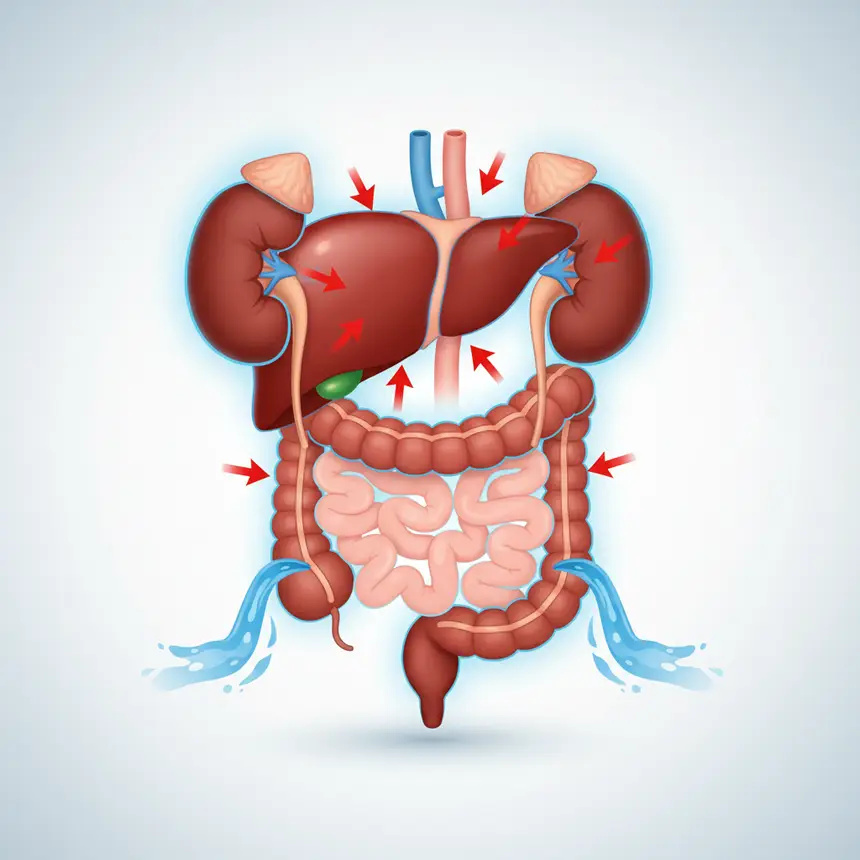
Understanding Your Body's Detox System and the Nature of Toxins
Our bodies run an amazing detoxification system every single day to protect themselves from external threats and maintain internal balance. The liver, kidneys, lungs, skin, and intestines work in harmony, playing crucial roles in filtering out harmful substances and expelling them. However, modern lifestyles place a significant burden on this natural detoxification system. The toxins we commonly encounter can be broadly categorized into two types. First, external toxins, which include pesticide residues in food, car exhaust, fine dust, nicotine and tar from smoking, and additives in some processed foods. For instance, many people with diets high in salty and oily foods consume far more sodium than the World Health Organization's (WHO) recommended daily limit, which can accelerate fluid imbalance and waste accumulation in the body. Second, internally generated toxins, such as stress hormones, free radicals, and acetaldehyde produced during alcohol metabolism, are also significant. Frequent alcohol consumption heavily burdens the liver, and alcohol breakdown byproducts not only cause hangovers but also degrade overall physical function. When these toxins accumulate in the body, detoxification organ function can decline, leading to weakened immunity, chronic inflammation, and various health problems.
※ This post contains affiliate links. I may earn a commission at no extra cost to you.

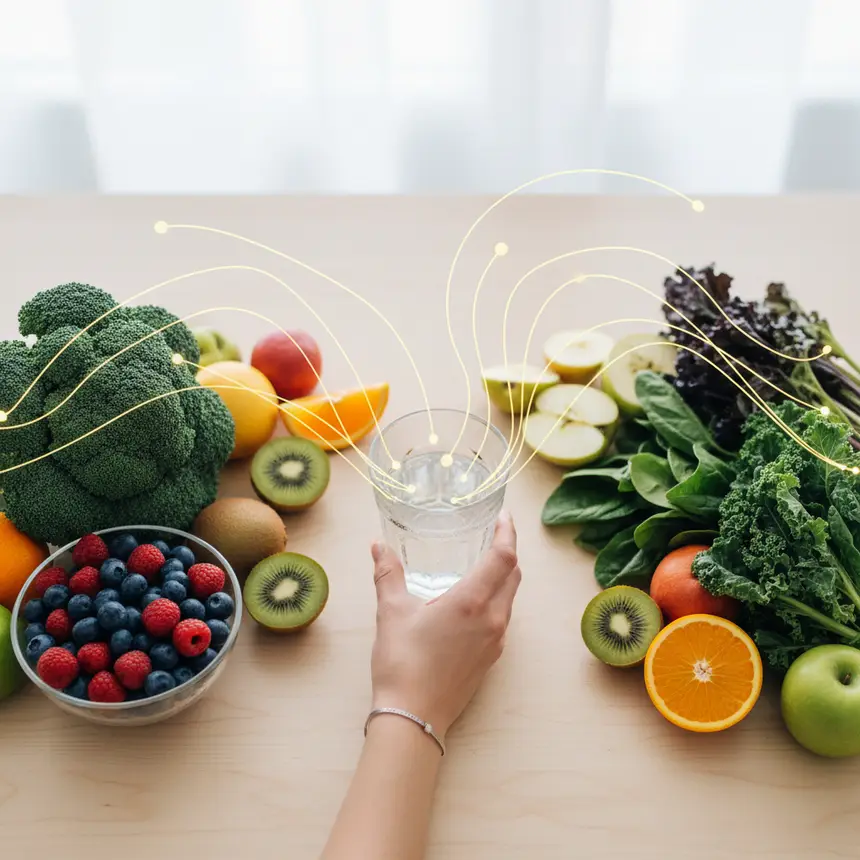
Smart Lifestyle Habits to Support Internal Cleansing
To maintain a healthy body and aid in toxin elimination, consistently adopting improved daily habits is key. The focus should be on sustainable changes rather than short-term detox programs.
- Adequate Hydration: Drinking two liters or more of water daily is the most fundamental and crucial way to support kidney function and effectively flush out waste and toxins through urine. Water is essential for smooth metabolic activity and blood circulation.
- Fiber-Rich Diet: Foods rich in fiber, such as vegetables, fruits, and whole grains, promote gut health and encourage regular bowel movements, helping prevent the reabsorption of toxins into the body. Especially, green leafy vegetables and berries are rich in antioxidants, contributing to cell protection.
- Liver-Supporting Foods: Sulfur-containing vegetables like broccoli, cauliflower, garlic, and onions are known to aid the activation of liver detoxification enzymes. Additionally, certain plant compounds like milk thistle are sometimes used to protect liver function and support its regeneration.
- Regular Exercise: Consistent aerobic exercise and light strength training promote blood circulation and help expel some toxins, including heavy metals, through sweat. Adequate hydration after exercise is essential.
- Stress Management and Sufficient Sleep: Chronic stress increases inflammatory responses in the body and causes hormonal imbalances, burdening the detoxification system. Managing stress through meditation, yoga, or hobbies, and getting 7-8 hours of sufficient sleep daily, allows the body time to recover and purify itself.
The Ongoing Journey Towards a Healthier You
Our body's purification process isn't just about specific products or short-term programs. It achieves its greatest effect when healthy eating habits, a regular lifestyle, and consistent self-care come together. While it's hard to completely avoid toxin exposure in modern society, we can consciously work to strengthen our body's detoxification capabilities and reduce its burden. Why not start today by drinking one more glass of water, opting for a fresh vegetable instead of processed food, or making time to move your body, even if just for a short while? These small changes, accumulated over time, will ultimately lead to a lighter, more energetic body and a healthier life. Listening to your body and managing your health in a sustainable way is the true path to genuine well-being.
Frequently Asked Questions
Q. How can I tell if I have a toxin buildup in my body?
A. Common signs include persistent fatigue, digestive issues (bloating, constipation), skin problems (acne, dullness), headaches, difficulty concentrating, and mood changes. If these symptoms are ongoing, it's worth reviewing your lifestyle habits.
Q. Can specific foods alone detoxify my body?
A. Relying solely on 'detox foods' isn't usually enough for comprehensive toxin elimination. A holistic approach focusing on a balanced diet, adequate hydration, regular exercise, and stress management is most effective when integrated.
Q. Can nicotine toxins remain in the body long after quitting smoking?
A. Yes, nicotine and other harmful substances accumulated over years of smoking can linger in the body for a considerable time even after cessation. Consistent hydration and a diet rich in fiber and antioxidants from vegetables and fruits can help support their excretion.
Q. What are effective ways to support alcohol metabolism?
A. Reducing alcohol intake is paramount. When consuming alcohol, ensure you drink plenty of water to prevent dehydration, and opt for protein-rich foods and those high in B vitamins to support your liver health. Also, getting sufficient rest is crucial to allow the liver time to recover.