Debunk common myths about male fertility and explore key nutrients vital for healthy sperm production. Understand the roles of folic acid, zinc, CoQ10, and L-arginine, emphasizing men's crucial role in family planning.

Is Fertility a Woman's Issue Alone? Unpacking Male Reproductive Health
When couples embark on the journey to start a family, the initial focus often gravitates towards the woman's health. The terms 'infertility' or 'conception delays' typically trigger concerns about female reproductive well-being first. However, the truth is, male reproductive health plays an equally critical role in successful conception. Many men are often unaware of their own sperm health status or feel unsure about how to actively manage it.
Challenges like low sperm motility or abnormal morphology aren't just statistics; they represent significant concerns for couples hoping to conceive. Such issues can also place considerable emotional strain on men, prompting them to search for effective solutions. In this article, we'll delve into the vital role men play in the family planning process, exploring key nutrients essential for fostering healthy sperm.
Challenges like low sperm motility or abnormal morphology aren't just statistics; they represent significant concerns for couples hoping to conceive. Such issues can also place considerable emotional strain on men, prompting them to search for effective solutions. In this article, we'll delve into the vital role men play in the family planning process, exploring key nutrients essential for fostering healthy sperm.
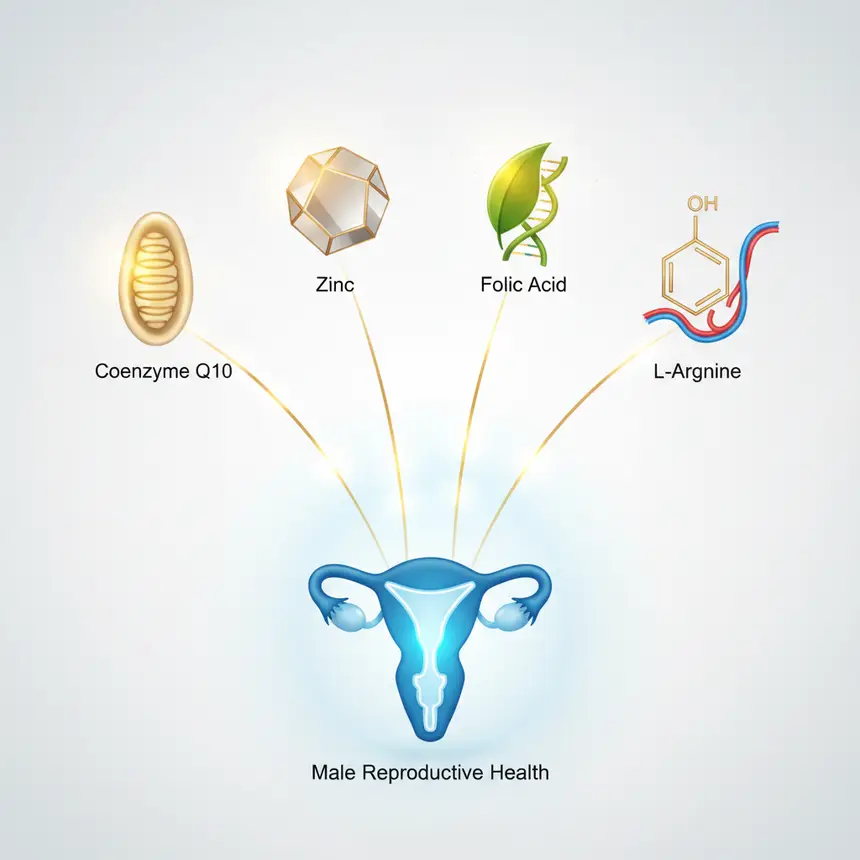
The Core Four: Essential Nutrients for Optimal Sperm Health
While numerous nutrients contribute to healthy sperm, four key components stand out for their significant impact on sperm production, activity, and overall quality.
1. Coenzyme Q10: This vital nutrient is crucial for energy production within nearly all cells in our body. Sperm cells, requiring substantial energy for their vigorous movement, benefit greatly from CoQ10, which helps maintain their motility and vitality.
2. Zinc: Zinc is an essential mineral for maintaining normal male reproductive function and regulating male hormone levels. It plays a role in sperm formation and DNA integrity, making it a critical element for producing healthy sperm.
3. Folic Acid: Often mistakenly thought of as primarily for women, folic acid is indispensable for cell division and DNA synthesis. In men, it's crucial for the process of sperm formation, helping to maintain DNA integrity and support healthy cell division. Opting for a more bioavailable, active form of folic acid can be particularly beneficial.
4. L-Arginine: This amino acid is closely linked to blood flow. It contributes to nitric oxide production, which helps relax blood vessels and improve circulation. Enhanced blood flow can positively impact the environment of the testes and support the process of sperm development.
1. Coenzyme Q10: This vital nutrient is crucial for energy production within nearly all cells in our body. Sperm cells, requiring substantial energy for their vigorous movement, benefit greatly from CoQ10, which helps maintain their motility and vitality.
2. Zinc: Zinc is an essential mineral for maintaining normal male reproductive function and regulating male hormone levels. It plays a role in sperm formation and DNA integrity, making it a critical element for producing healthy sperm.
3. Folic Acid: Often mistakenly thought of as primarily for women, folic acid is indispensable for cell division and DNA synthesis. In men, it's crucial for the process of sperm formation, helping to maintain DNA integrity and support healthy cell division. Opting for a more bioavailable, active form of folic acid can be particularly beneficial.
4. L-Arginine: This amino acid is closely linked to blood flow. It contributes to nitric oxide production, which helps relax blood vessels and improve circulation. Enhanced blood flow can positively impact the environment of the testes and support the process of sperm development.
※ This post contains affiliate links. I may earn a commission at no extra cost to you.


Sustained Effort: Practical Strategies for Boosting Male Fertility
Beyond nutrient intake, lifestyle improvements are equally important. Achieving healthy sperm requires a consistent and holistic approach rather than just short-term fixes.
Preparing for conception is a journey shared by both partners. When men actively manage their health and commit to these efforts, they pave the way for a happier and healthier family planning experience.
- Balanced Diet: A diet rich in fresh fruits, vegetables, whole grains, and lean proteins benefits overall health and sperm quality. It's advisable to reduce consumption of processed foods and trans fats.
- Adequate Sleep: Sleep is crucial for hormonal balance and cellular repair. Aim for 7-9 hours of quality sleep each night.
- Regular Exercise and Stress Management: Moderate physical activity aids blood circulation and helps alleviate stress. Excessive stress can lead to hormonal imbalances, so incorporating practices like meditation or hobbies to manage stress is beneficial.
- Consistent Nutrient Intake: It's vital to consistently consume the essential nutrients mentioned above, either through diet or supplements. If juggling multiple individual supplements is challenging, consider a comprehensive supplement that combines these key ingredients. Since it takes approximately 2-3 months for sperm to develop and mature, a commitment of at least three months of consistent effort is generally recommended.
Preparing for conception is a journey shared by both partners. When men actively manage their health and commit to these efforts, they pave the way for a happier and healthier family planning experience.
Frequently Asked Questions
Q. Is folic acid as important for men as it is for women?
A. Absolutely. Folic acid is vital for DNA synthesis and cell division, processes critical for healthy sperm formation. Therefore, it's highly recommended for men to ensure adequate folic acid intake when planning a family. Considering a more bioavailable form might offer better absorption.
Q. Do I have to take supplements for sperm health, or can I get enough from food?
A. A well-balanced diet is always the best foundation for obtaining necessary nutrients. However, due to modern lifestyles, meeting all requirements solely through diet can be challenging. Supplements can help bridge nutritional gaps. It's best to consult with a healthcare professional to determine the most suitable approach for you.
Q. When should men start focusing on improving their sperm health?
A. Sperm production and maturation take approximately 2 to 3 months. Therefore, it's advisable for men to start optimizing their nutrition and lifestyle habits at least three months before attempting conception. Consistent effort over this period can significantly contribute to healthier sperm.
Q. How do smoking and alcohol affect male reproductive health?
A. Smoking and excessive alcohol consumption can lead to DNA damage in sperm and negatively impact sperm motility and morphology. For optimal sperm health, quitting smoking and moderating alcohol intake are essential steps.
Q. What lifestyle changes can support male reproductive health?
A. Regular physical activity, sufficient sleep (7-9 hours per night), effective stress management, and a diet rich in fresh fruits, vegetables, whole grains, and lean proteins, while limiting processed foods, all positively contribute to male reproductive health.