Irregular periods, mood swings, and other signs of hormonal imbalance can affect women even at a young age. Discover how a balanced lifestyle through nutrition, exercise, and sleep can help you regain vibrant health.

Decoding Your Body's Subtle Signals: Is it Hormonal Imbalance?
Have you ever felt "off" without a clear reason? Irregular menstrual cycles, sudden mood shifts, or vague physical discomfort are experiences many women share. Surprisingly, signals suggesting an imbalance in women's hormones can emerge even in young adults, particularly in their 20s and 30s. It’s easy to dismiss these as issues only relevant to menopause, but our bodies are incredibly responsive to external factors like stress, diet, and sleep deprivation, all of which can impact hormonal status. Often, pinpointing the cause solely from outward symptoms is challenging, leading to an unsettling sense of anxiety. However, these signals are vital messages from your body that shouldn't be ignored. Paying close attention to even minor changes you notice and using them as a starting point for comprehensive health management aimed at achieving overall women's hormonal balance is crucial.
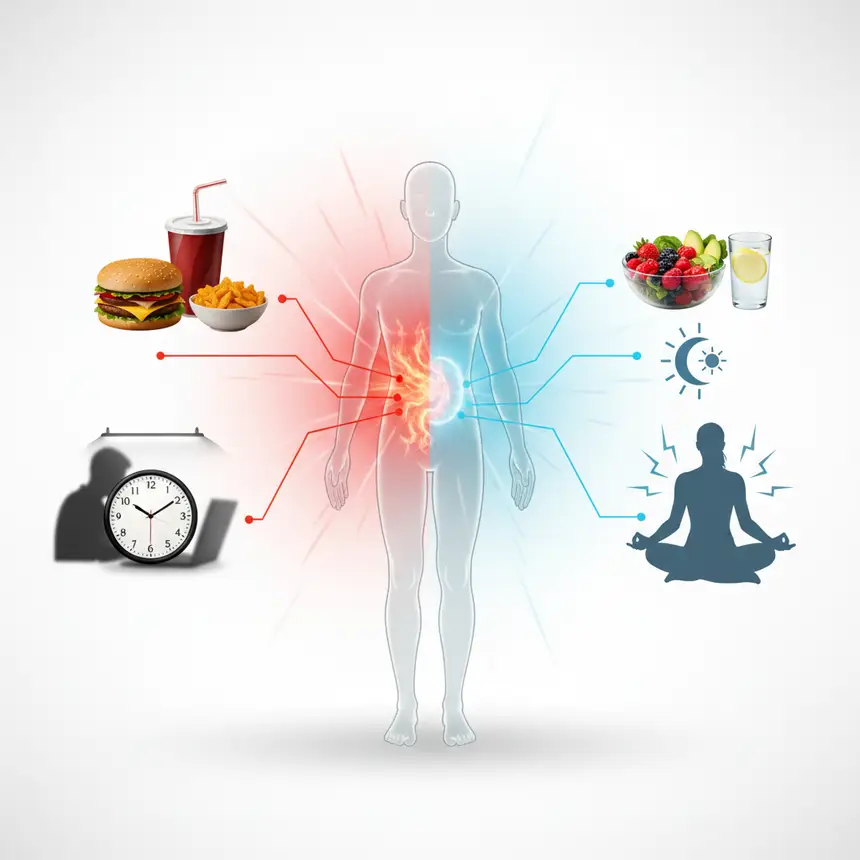
Uncovering Hidden Culprits of Hormonal Imbalance in Daily Life
Hormonal balance isn't just disrupted by specific illnesses; often, the answers lie hidden within our everyday lifestyle choices. Excessive stress, for instance, directly influences hormone secretion, disrupting our biological rhythms. Irregular sleep patterns and insufficient sleep hours also hinder the body's recovery processes and negatively impact hormone production. Furthermore, diets rich in processed foods, imbalanced nutrient intake, and excessive alcohol or smoking can trigger inflammation and impede the absorption of essential nutrients, ultimately destabilizing the entire hormonal system. These factors rarely act alone; instead, they intertwine to dismantle the delicate hormonal regulatory system in our bodies. It's essential to identify which aspects of your daily routine might be interfering with your hormonal balance and strive to improve even the smallest details.
※ This post contains affiliate links. I may earn a commission at no extra cost to you.


The Synergistic Effect of Nutrition, Exercise, and Targeted Nutrients
The first step towards restoring women's hormonal balance is, without a doubt, building healthy lifestyle habits. In terms of nutrition, it’s crucial to reduce intake of refined carbohydrates and sugar, while increasing whole grains, fresh vegetables, fruits, healthy fats, and quality proteins. Incorporating foods rich in plant compounds that mimic estrogen (like those found in soy products) or fermented foods beneficial for gut health can be particularly helpful. Regular exercise aids in stress relief, improves circulation, and promotes optimal hormone secretion. Combining at least 30 minutes of aerobic activity with strength training most days of the week can be highly effective. Moreover, supplementing with specific nutrients can positively influence hormonal equilibrium. For example, beneficial bacteria that support gut health and contribute to metabolic compound production, components that support neurotransmitters for improved sleep quality and stress reduction, and certain plant extracts exhibiting estrogen-like activities can be judiciously utilized. Seeking advice from a professional to choose the right supplementary nutrients tailored to your individual needs is a smart move.
- Try adding a serving of whole grains or legumes to one of your meals today.

Consistent Habits Forge Healthy Change
No single effort can resolve everything. Managing your health for women's hormonal balance requires a sustained, long-term commitment. Here are some practical routines you can easily integrate into your daily life:
1. Prioritize Sleep: Establish a consistent sleep schedule by going to bed and waking up around the same time each day. Limit screen time before bed and create a comfortable sleep environment.
2. Manage Stress: Find and consistently practice stress-relief techniques that work for you, such as meditation, yoga, or hobbies. Timely stress reduction is vital for hormonal health.
3. Review Your Diet: Cut back on processed foods and excessive sugars. Focus on fresh, natural ingredients. Moderating caffeine and alcohol intake can also be beneficial.
4. Stay Active: Increase your daily activity level by walking more or taking the stairs, and aim for consistent exercise at least three times a week.
Rather than trying to overhaul all these routines at once, start with the areas where you feel the most need and make gradual changes. This incremental approach is key to successful health management. Small achievements will accumulate to create significant transformations.
1. Prioritize Sleep: Establish a consistent sleep schedule by going to bed and waking up around the same time each day. Limit screen time before bed and create a comfortable sleep environment.
2. Manage Stress: Find and consistently practice stress-relief techniques that work for you, such as meditation, yoga, or hobbies. Timely stress reduction is vital for hormonal health.
3. Review Your Diet: Cut back on processed foods and excessive sugars. Focus on fresh, natural ingredients. Moderating caffeine and alcohol intake can also be beneficial.
4. Stay Active: Increase your daily activity level by walking more or taking the stairs, and aim for consistent exercise at least three times a week.
Rather than trying to overhaul all these routines at once, start with the areas where you feel the most need and make gradual changes. This incremental approach is key to successful health management. Small achievements will accumulate to create significant transformations.
- Starting tonight, try to stop using your smartphone one hour before bedtime.

A Journey of Understanding and Nurturing Your Body
The path to achieving women's hormonal balance is more than just alleviating uncomfortable symptoms; it's a profound journey of understanding and cherishing your body. There might be times when progress feels slow or frustrating, but consistent effort and attention will inevitably lead to positive outcomes. Changes in lifestyle and appropriate nutritional support can enhance your body's resilience and significantly contribute to regaining overall physical and mental vitality. What truly matters is sustainability, not perfection. An occasional slip-up is okay; what’s more important is your ability to bounce back to your healthy routine. Trust yourself, and make slightly better choices each day. Your body will thank you for your efforts. We cheer you on this valuable journey for your health.
Frequently Asked Questions
Q. Can hormonal imbalance affect younger women?
A. Yes, hormonal balance can be disrupted in younger individuals due to factors like stress, inconsistent lifestyle habits, and diet. It can manifest in various ways, such as irregular periods or mood fluctuations.
Q. How should a diet for hormonal balance be structured?
A. Focus on reducing refined carbohydrates and processed foods. Prioritize whole grains, fresh fruits and vegetables, quality proteins (like legumes and lean meats), and healthy fats (nuts, avocados). Fermented foods are also beneficial for gut health.
Q. Can specific nutritional supplements help?
A. While individual needs vary, supplements like probiotics for gut health, neurotransmitter-related compounds for sleep and stress management, or plant-derived compounds with estrogen-like properties can positively influence hormonal balance. It's wise to consult a professional before starting any new supplement.
Q. How does exercise impact women's hormonal health?
A. Regular physical activity helps lower stress hormone levels, improves blood circulation, and enhances overall bodily functions, positively affecting hormone secretion. A combination of aerobic and strength training is generally recommended.
Q. How long does it take to see improvements in hormonal balance?
A. Improvement timelines vary significantly among individuals, but consistently practicing lifestyle changes often leads to noticeable differences over several weeks to months. It's crucial to approach this with patience, focusing on long-term benefits rather than immediate results.