Discover essential nutrients for hair health and hair loss prevention, along with practical dietary strategies for stronger hair. Learn how consuming vital nutrients like protein and iron can help you achieve healthy, lustrous locks.

H2: Revitalizing Tired Hair from Within
Many people are noticing their hair isn't quite what it used to be. Concerns about dull, thinning strands or an increase in hair shedding are becoming more common. The truth is, hair health isn't just about external products; it's deeply influenced by our internal nutritional status. Think of building a sturdy house – you need good quality materials. Similarly, our hair requires proper nourishment to grow strong and vibrant. Instead of solely focusing on visible symptoms, it's crucial to provide your body with the nutrients it needs to build hair strength from the ground up. By making small dietary changes starting today, you can begin to experience fuller, shinier hair.
H2: Unpacking Key Nutrients for Robust Hair Growth
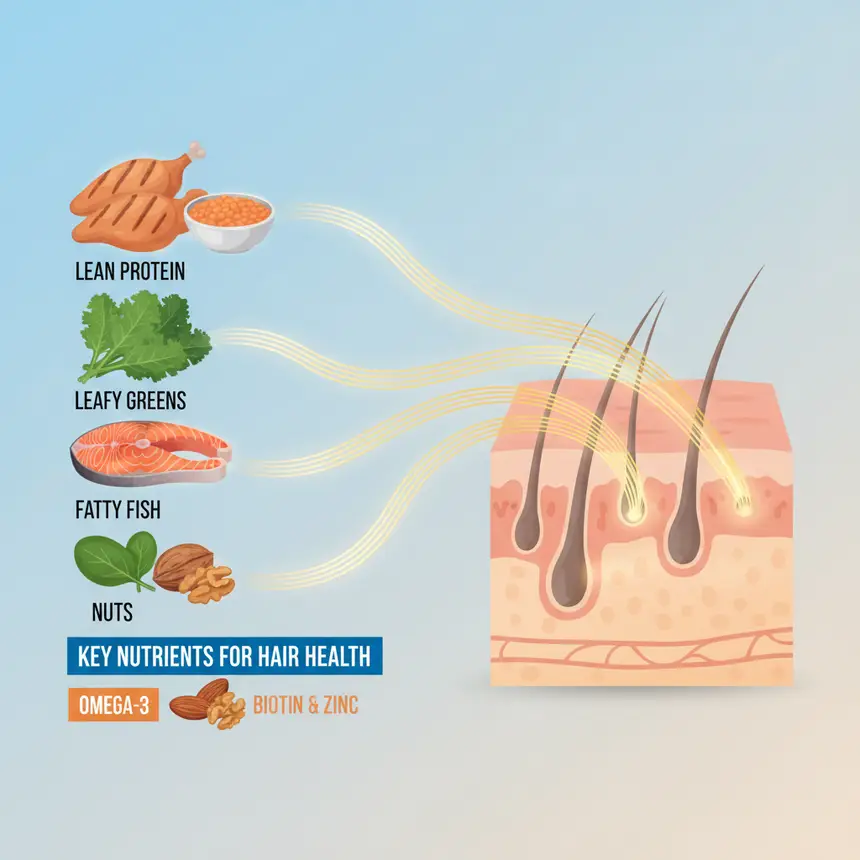
Hair is primarily made of a protein called keratin, so adequate protein intake is foundational for healthy hair. Excellent sources of high-quality protein include lean meats like chicken breast, eggs, and legumes. Iron is also vital for ensuring oxygen reaches the scalp efficiently; a deficiency can weaken hair follicles. Leafy greens such as spinach and red meat are rich in iron. Furthermore, Omega-3 fatty acids are essential for scalp health, helping to maintain moisture and manage inflammatory responses. You can easily find these in fatty fish like salmon and mackerel. Lastly, zinc and biotin are trace nutrients that promote hair creation and growth, found abundantly in oysters, nuts, and egg yolks. A balanced intake of these nutrients is key.
※ This post contains affiliate links. I may earn a commission at no extra cost to you.

H2: Everyday Dietary Strategies for Stronger Hair
Building a hair-healthy diet doesn't have to be complicated or difficult. The core idea is to develop consistent habits for nutrient intake in your daily life. Here are some actionable steps you can take:
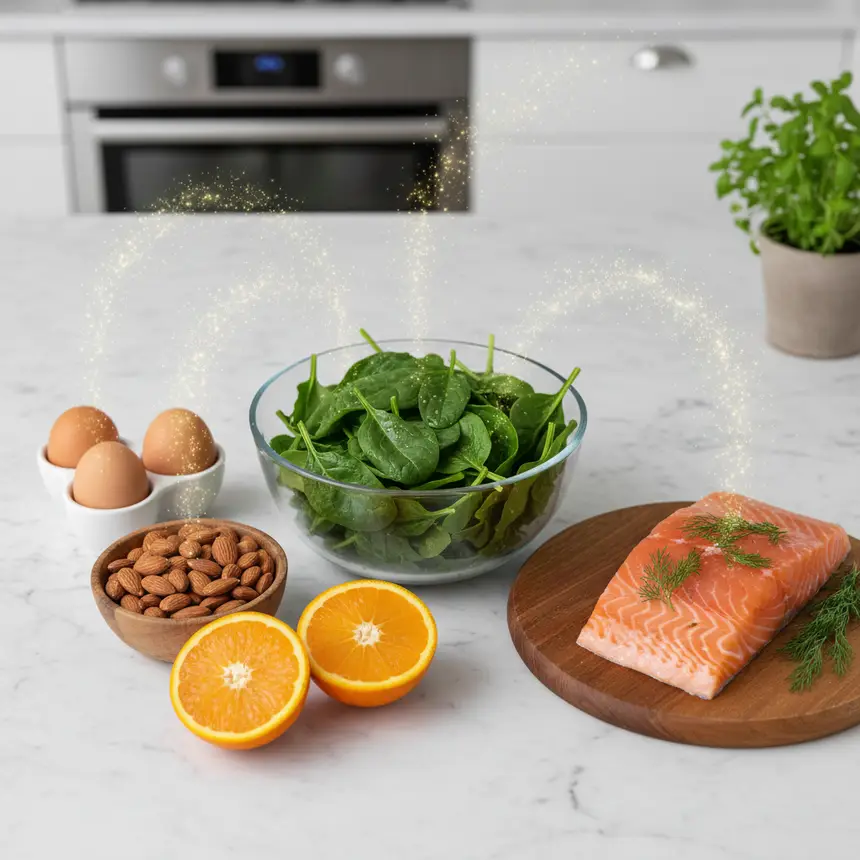
- Start your day by adding a hard-boiled egg or a soy-based drink to your breakfast for a protein boost.
- Aim to include iron-rich foods like sautéed spinach or lean beef in your meals two to three times a week.
- If consuming fish is challenging, a handful of nuts as a snack or using flaxseed oil, rich in Omega-3, in your salad dressing are great alternatives.
- Vitamin C aids iron absorption and supports collagen production in the scalp, so make sure to include seasonal fruits or vegetables like broccoli in your daily meals. These small changes will accumulate over time, positively impacting your hair health.
H2: The Transformative Power of Consistency for Your Hair
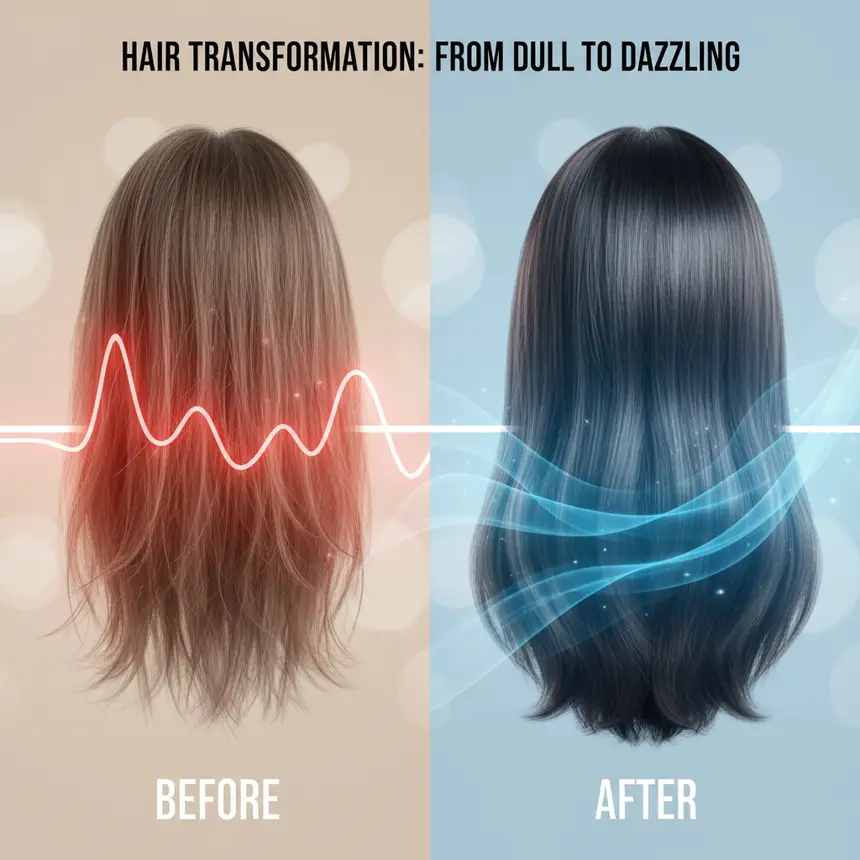
Significant improvements in hair health rarely happen overnight. True transformation comes from consistent and sustained effort. Improving your internal nutritional status isn't about temporarily masking symptoms; it's about fundamentally strengthening your hair from the root. While you might not notice a big difference immediately, by consistently maintaining a balanced, nutrient-rich diet, you will eventually feel your hair becoming stronger and regaining its natural luster. This change goes beyond just appearance; it can be a valuable experience that restores confidence and vitality. Remember that the small efforts you start today are the smartest investment for your healthy hair in the future.
Frequently Asked Questions
Q. What are the most crucial nutrients for healthy hair?
A. Since hair is mainly composed of protein, it's paramount. Along with protein, trace nutrients like iron, Omega-3 fatty acids, zinc, biotin, and Vitamin C play essential roles in hair growth and maintaining its health.
Q. Can certain foods actually cause hair loss?
A. It's less about specific foods directly causing hair loss and more about nutritional deficiencies that can worsen hair health. For instance, a lack of protein, iron, or B vitamins can lead to thinning hair or increased shedding.
Q. Are supplements enough to significantly improve hair health?
A. While supplements can help fill nutritional gaps, they shouldn't replace a balanced diet. Consuming a variety of foods to get all essential nutrients is the foundation of hair health, with supplements serving as a complementary aid.
Q. How long do I need to maintain a hair-healthy diet to see results?
A. Considering the hair growth cycle, you'll likely need to maintain a consistent diet for at least 3 to 6 months to notice significant changes. Sustained habit formation is more important than short-term efforts.
Q. How is scalp health related to hair health?
A. The scalp is the foundation from which hair grows, so its health directly impacts your hair. A dry or inflamed scalp can hinder follicle function and impede hair growth. Managing scalp health, for example, through Omega-3 fatty acid intake, is therefore crucial.