Learn crucial facts about infant hypothermia, including normal temperature ranges, warning signs, and essential at-home emergency responses. This guide equips parents with the knowledge to protect their little one's well-being effectively.

Understanding the Importance of Infant Temperature Regulation
Infants, from newborns to toddlers under one year old, have a much harder time regulating their body temperature compared to adults. Their delicate systems are highly sensitive to environmental shifts, making them prone to both overheating and becoming too cold. This vulnerability means parents must be extra vigilant. Specifically, a drop in body temperature, known as infant hypothermia, can quickly become serious. Recognizing the early signs and responding appropriately is paramount to their well-being. A healthy temperature range for most infants typically falls between 97.7°F and 99.5°F (36.5°C to 37.5°C). However, slight variations can occur depending on where the temperature is measured and the infant's activity level. If your baby's temperature starts to dip below 96.8°F (36.0°C), close observation is necessary. A reading below 95.0°F (35.0°C) demands immediate action. Crucially, any temperature below 89.6°F (32.0°C) is considered a life-threatening emergency, requiring prompt and decisive intervention.
Immediate Steps to Take for Suspected Infant Hypothermia at Home
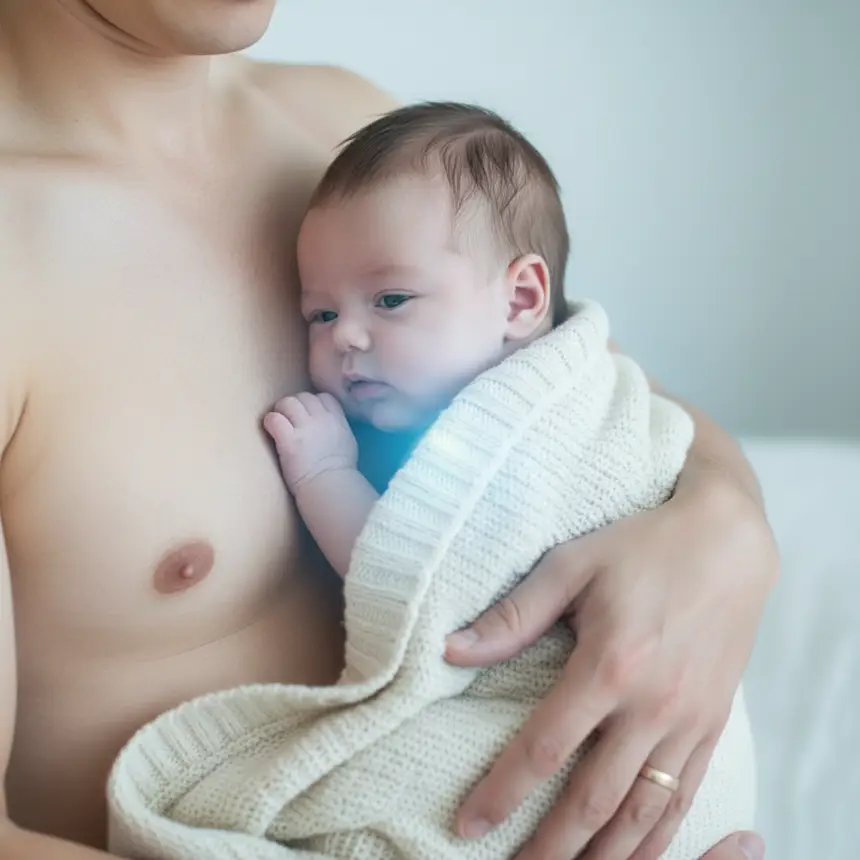
If your baby feels unusually cold or shows signs of being unusually lethargic, don't panic. Instead, follow these steps to help restore their body temperature. Timely and quick action in these moments can make a critical difference in safeguarding your child's health. Step 1, Change Wet Clothing: If your baby has been sweating or has wet clothes, that moisture can rapidly draw heat away from their body. The first and most crucial step is to gently remove any damp clothing and replace it with dry, warm attire to protect their skin from further exposure. Step 2, Skin-to-Skin Contact (Kangaroo Care): Holding your baby directly against your bare skin is an incredibly effective way to transfer your body heat to them. Snuggle up with a blanket or cover over both of you to ensure your warmth is fully transferred. This method not only provides physical warmth but also offers significant psychological comfort and reassurance. Step 3, Offer Warm Fluids: If your baby is conscious, alert, and able to swallow safely, offering small, frequent sips of lukewarm water or a mild, warm herbal tea (like diluted chamomile or barley tea) can help raise their internal temperature gradually. However, if your baby is drowsy, unresponsive, or struggling to swallow, do not attempt this, as there's a significant risk of aspiration. Step 4, Adjust Room Temperature and Humidity: Seal off any drafts by closing windows and doors, and aim to maintain the room temperature between 75°F and 79°F (24°C to 26°C). Appropriate humidity levels also contribute positively to your baby's respiratory health. Be cautious with direct heat sources like electric blankets or space heaters, as they can pose a burn risk. Instead, use indirect methods to warm the room.
※ This post contains affiliate links. I may earn a commission at no extra cost to you.

Recognizing Warning Signs and Knowing When to Seek Professional Help
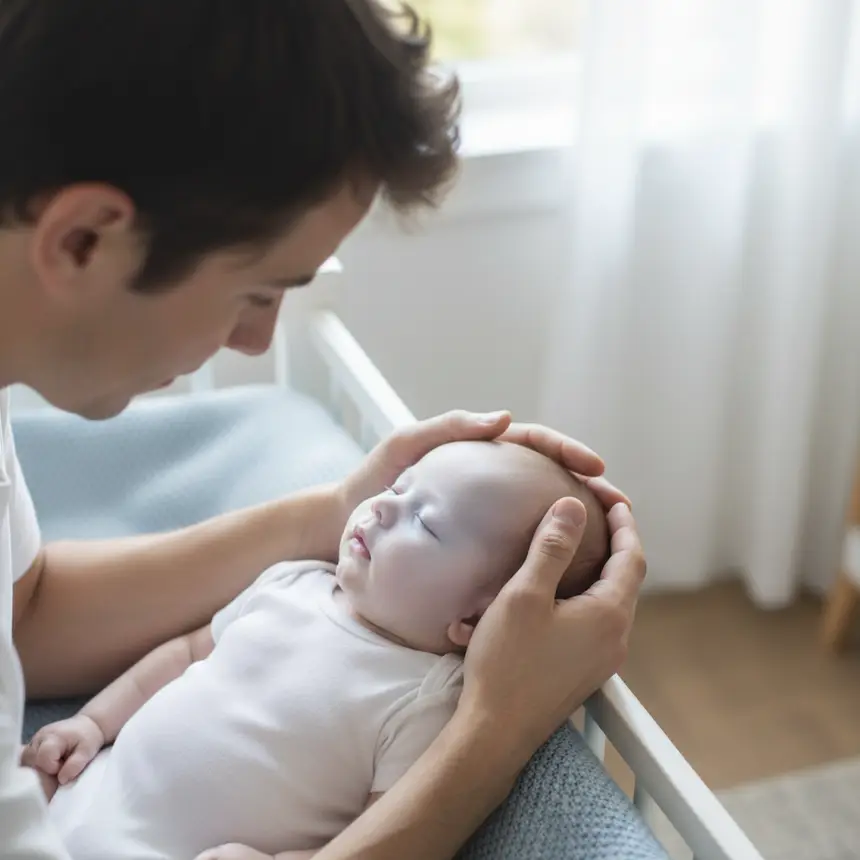
Beyond just checking a thermometer, paying attention to your baby's behavior and physical changes can help you spot early warning signs of hypothermia. If your child is unusually sluggish, excessively sleepy, or less active than usual, don't just dismiss it as fatigue from having a fever; check their temperature immediately. Pale lips or bluish fingertips and toes (a condition called cyanosis) are also critical alarm bells. Initially, a baby might shiver as their body tries to generate warmth, but if their temperature drops further, the shivering can stop, and their body might become stiff. Several factors can contribute to hypothermia in infants, including over-administering fever-reducing medication, prolonged exposure to cold environments while wearing wet clothing, or a lack of sufficient nutrition and rest that depletes their body's energy production. Your attentive observation as a parent is the strongest defense for your child's health. If, despite your at-home efforts, your baby's temperature remains below 95.0°F (35°C), or if they display severe symptoms such as extreme lethargy, paleness, difficulty breathing, or unresponsiveness, do not hesitate. Seek immediate professional medical attention at an emergency room or a pediatrician's office. Swift expert intervention is crucial for your child's recovery.
Frequently Asked Questions
Q. What's the most accurate way to check an infant's temperature?
A. The best method for checking an infant's temperature varies by age. While armpit thermometers are commonly used, for greater accuracy, a rectal thermometer is often recommended. Non-contact forehead thermometers and ear thermometers are also popular, but their readings can be affected by the environment and technique, so it's a good idea to take several readings and average them.
Q. How can I prevent my baby from getting too cold regularly?
A. To prevent hypothermia, maintain your indoor temperature between 72°F and 75°F (22°C-24°C) and dress your baby in appropriate layers for the climate. When going out, ensure they are warmly dressed with blankets suitable for the weather. If they sweat after activity, change any damp clothing immediately to prevent heat loss. Also, sufficient nutrition and rest are vital for maintaining your baby's thermoregulation abilities.
Q. Can I give warm fluids to my baby if they're unresponsive?
A. Absolutely not. If your baby is drowsy, unresponsive, or has difficulty swallowing, forcing warm fluids can be extremely dangerous. It could lead to aspiration into the lungs, potentially causing choking or pneumonia. In such a situation, seeking immediate medical help is the safest course of action.
Q. After providing at-home care, when should I take my baby to the hospital?
A. If, despite your home interventions, your baby's temperature continues to drop below 95.0°F (35°C), or if they show severe symptoms such as extreme sluggishness, unresponsiveness, difficulty breathing, or changes in skin color (like cyanosis), do not delay. Head to the nearest emergency room or pediatrician immediately. Professional diagnosis and treatment may be urgently required.