Struggling with frequent abdominal gas and indigestion? Explore practical ways to find relief from bloating, from optimizing your diet and lifestyle to incorporating gut-friendly foods and beneficial bacteria.

Why Does Frequent Abdominal Discomfort Occur?
Frequent abdominal gas and indigestion are common modern complaints that can significantly detract from daily life quality. The persistent feeling of bloating and discomfort often disrupts focus during important moments and can lead to unexpected predicaments. Many individuals, especially those with busy schedules, irregular eating habits, and high stress levels, grapple with these gut health issues. Why do these symptoms seem to recur specifically for you? It might not simply be bad luck or overeating. Our digestive system is far more intricate than we often realize, with various factors interacting to cause these uncomfortable sensations. Let's embark on a journey to understand the root causes of abdominal discomfort and explore the roles of gut-friendly foods and probiotics in restoring a healthy gut.
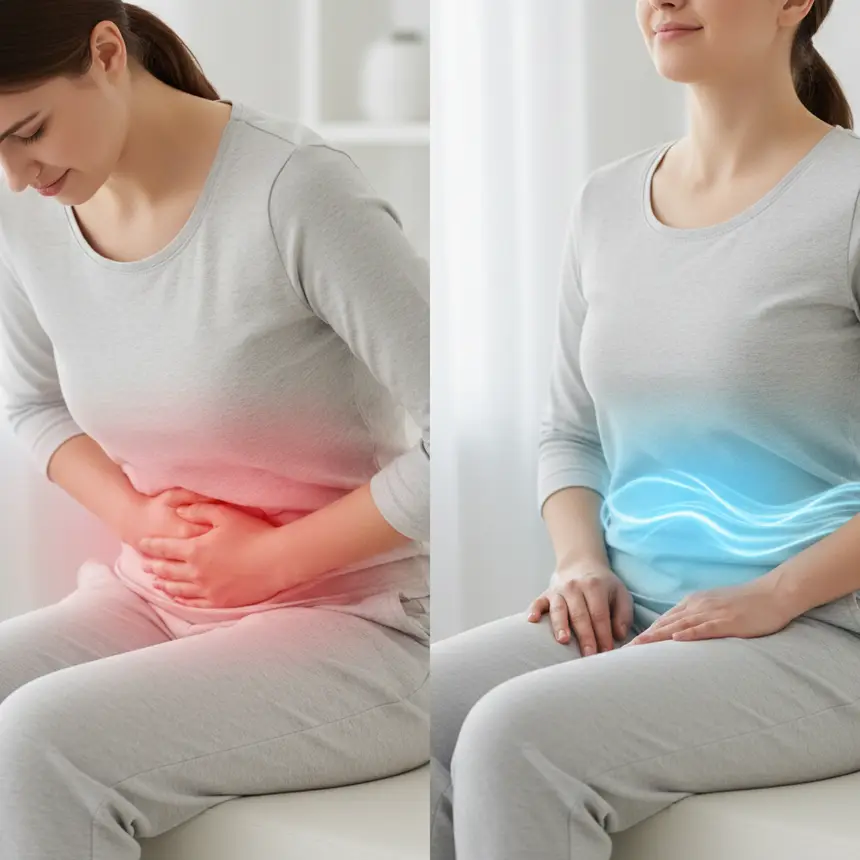
Primary Causes of Bloating and Relief Strategies
The Impact of Diet and Lifestyle Habits
A major reason for experiencing abdominal gas and indigestion is deeply linked to our dietary and lifestyle choices. Consuming a diet low in fiber, rich in processed foods, or high in unhealthy fats can prolong digestion time, leading to excessive gas production in the intestines. Eating too quickly also causes us to swallow air, intensifying the feeling of bloating. Furthermore, habits like sitting or lying down immediately after meals can slow down intestinal motility, exacerbating discomfort. Chronic stress is another significant factor, as it can weaken gut function and tighten intestinal muscles, thereby hindering smooth digestive processes. To mitigate these issues, it's crucial to consume plenty of fiber-rich foods such as fresh vegetables, fruits, and whole grains, and to practice chewing food slowly and thoroughly. Regular physical activity, effective stress management, and light movement after meals are vital for promoting overall gut health.
A major reason for experiencing abdominal gas and indigestion is deeply linked to our dietary and lifestyle choices. Consuming a diet low in fiber, rich in processed foods, or high in unhealthy fats can prolong digestion time, leading to excessive gas production in the intestines. Eating too quickly also causes us to swallow air, intensifying the feeling of bloating. Furthermore, habits like sitting or lying down immediately after meals can slow down intestinal motility, exacerbating discomfort. Chronic stress is another significant factor, as it can weaken gut function and tighten intestinal muscles, thereby hindering smooth digestive processes. To mitigate these issues, it's crucial to consume plenty of fiber-rich foods such as fresh vegetables, fruits, and whole grains, and to practice chewing food slowly and thoroughly. Regular physical activity, effective stress management, and light movement after meals are vital for promoting overall gut health.
※ This post contains affiliate links. I may earn a commission at no extra cost to you.

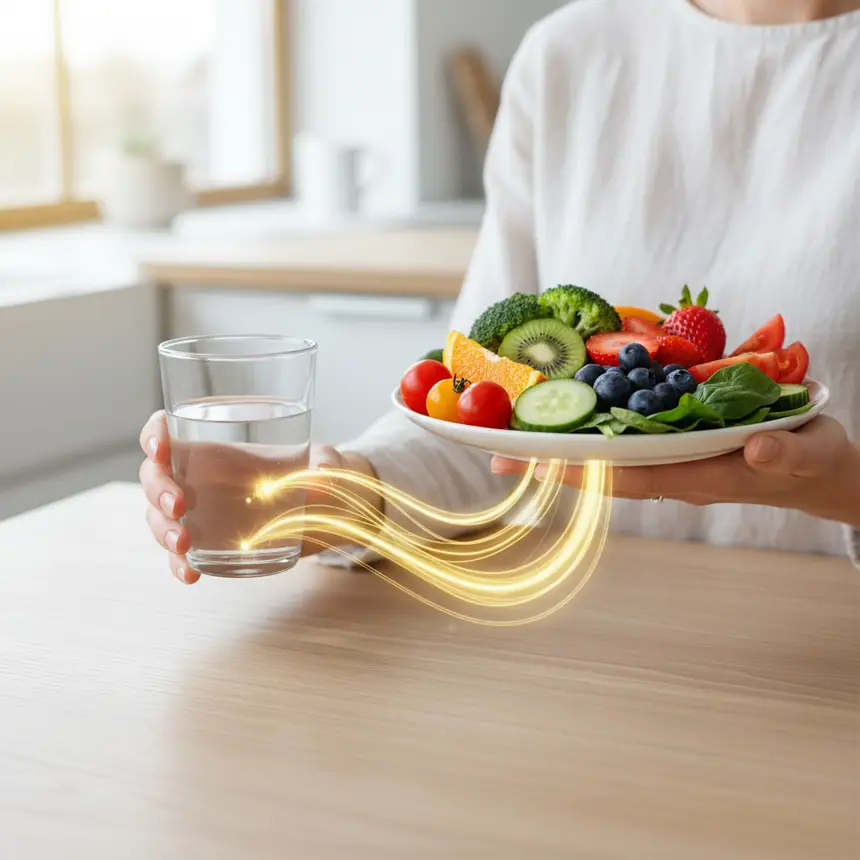
Your Practical Roadmap to a Healthy Gut
Wise Choices for Gut Microbiome Balance and Probiotic Intake
Our overall gut health is heavily influenced by the balance of microorganisms in our intestines, specifically beneficial and harmful bacteria. When this balance is disrupted, it can easily lead to unnecessary gas production or symptoms of indigestion. Certain beneficial bacteria, in particular, may naturally decline with age, making external supplementation crucial for maintaining a healthy gut environment. When choosing probiotic supplements, it's advisable to consider factors such as whether they feature coating technologies to ensure survival until they reach the intestines, if they guarantee a sufficient number of Colony Forming Units (CFU), and if they are a synbiotic formulation containing prebiotics (food for probiotics). For instance, selecting products that guarantee at least 10 billion CFU per serving or those with robust storage containers resistant to environmental changes can be beneficial. These considerations can positively impact the alleviation of bloating.
Daily Habits for Sustained Gut Wellness
To foster gut health, improving overall daily habits is paramount. Consistently eating breakfast and having meals at regular times helps to activate bowel movements. Moreover, frequently drinking lukewarm water instead of cold water reduces the burden on the digestive organs. Stress management is another critical, often overlooked, aspect. Finding and consistently practicing your own stress-relief methods, such as meditation, hobbies, or adequate sleep, is highly recommended. Finally, it's wise to regularly observe your gut condition, respond sensitively to changes, and consult a professional if necessary. Through such multi-faceted efforts, you can maintain a healthy and comfortable gut, and reclaim a vibrant daily life.
Our overall gut health is heavily influenced by the balance of microorganisms in our intestines, specifically beneficial and harmful bacteria. When this balance is disrupted, it can easily lead to unnecessary gas production or symptoms of indigestion. Certain beneficial bacteria, in particular, may naturally decline with age, making external supplementation crucial for maintaining a healthy gut environment. When choosing probiotic supplements, it's advisable to consider factors such as whether they feature coating technologies to ensure survival until they reach the intestines, if they guarantee a sufficient number of Colony Forming Units (CFU), and if they are a synbiotic formulation containing prebiotics (food for probiotics). For instance, selecting products that guarantee at least 10 billion CFU per serving or those with robust storage containers resistant to environmental changes can be beneficial. These considerations can positively impact the alleviation of bloating.
Daily Habits for Sustained Gut Wellness
To foster gut health, improving overall daily habits is paramount. Consistently eating breakfast and having meals at regular times helps to activate bowel movements. Moreover, frequently drinking lukewarm water instead of cold water reduces the burden on the digestive organs. Stress management is another critical, often overlooked, aspect. Finding and consistently practicing your own stress-relief methods, such as meditation, hobbies, or adequate sleep, is highly recommended. Finally, it's wise to regularly observe your gut condition, respond sensitively to changes, and consult a professional if necessary. Through such multi-faceted efforts, you can maintain a healthy and comfortable gut, and reclaim a vibrant daily life.
Frequently Asked Questions
Q. What types of foods can cause abdominal gas?
A. Foods like beans, cruciferous vegetables such as cabbage and broccoli, carbonated drinks, dairy products (for those with lactose intolerance), and certain sugar substitutes can promote gas production. Since individual reactions vary, identifying foods that affect you personally is crucial.
Q. Are there simple exercises or postures that help relieve gas?
A. Light walking or abdominal-relaxing stretches, such as 'Cat-Cow Pose' or 'Plow Pose' in yoga, can be useful for activating bowel movements and aiding gas expulsion. Gently massaging the abdomen in a clockwise direction can also be helpful.
Q. What should I consider when taking probiotic supplements for gut health?
A. When choosing probiotic supplements, it's good to check the types of strains, the guaranteed CFU count, whether coating technology is used for survival to the intestines, and if prebiotics are included (synbiotic formulation). Considering your health condition and professional advice is also wise.
Q. What health issues might chronic bloating signal?
A. Chronic bloating can be a sign of Irritable Bowel Syndrome (IBS), Small Intestinal Bacterial Overgrowth (SIBO), specific food allergies or intolerances, and in rare cases, other digestive disorders. If symptoms persist, it's important to consult a healthcare professional.
Q. How does lying down immediately after eating affect gut health?
A. Lying down immediately after eating can increase the risk of acid reflux and slow down the digestive process, causing food to remain in the intestines longer. This can generate more **abdominal gas** and lead to **indigestion**. It's advisable to sit upright or engage in light activity for at least 2-3 hours after meals.