Are you tired of sleepless nights? Understand the diverse causes disrupting your sleep and discover practical strategies to reclaim peaceful, restorative rest.

The Silent Struggle of Sleeplessness
Many of us know the frustrating feeling: your body is exhausted after a long day, but as soon as your head hits the pillow, your mind races, leaving you wide awake. What might start as an occasional restless night can gradually become a chronic struggle, eroding your quality of life and breeding anxiety. While not every night of poor sleep constitutes a disorder, if you find yourself struggling to fall asleep, staying asleep, or waking too early at least three times a week for three months or more, it's a clear signal your body isn't getting the restorative rest it needs. This difficulty can manifest in various ways, from taking over 30 minutes to drift off, to frequently waking during the night and struggling to return to sleep, or even consistent early morning awakenings with no hope of dozing off again. When these patterns persist, they don't just steal your morning energy; they cast a long shadow over your overall health and well-being.
Unmasking the Disruptors of Restful Sleep
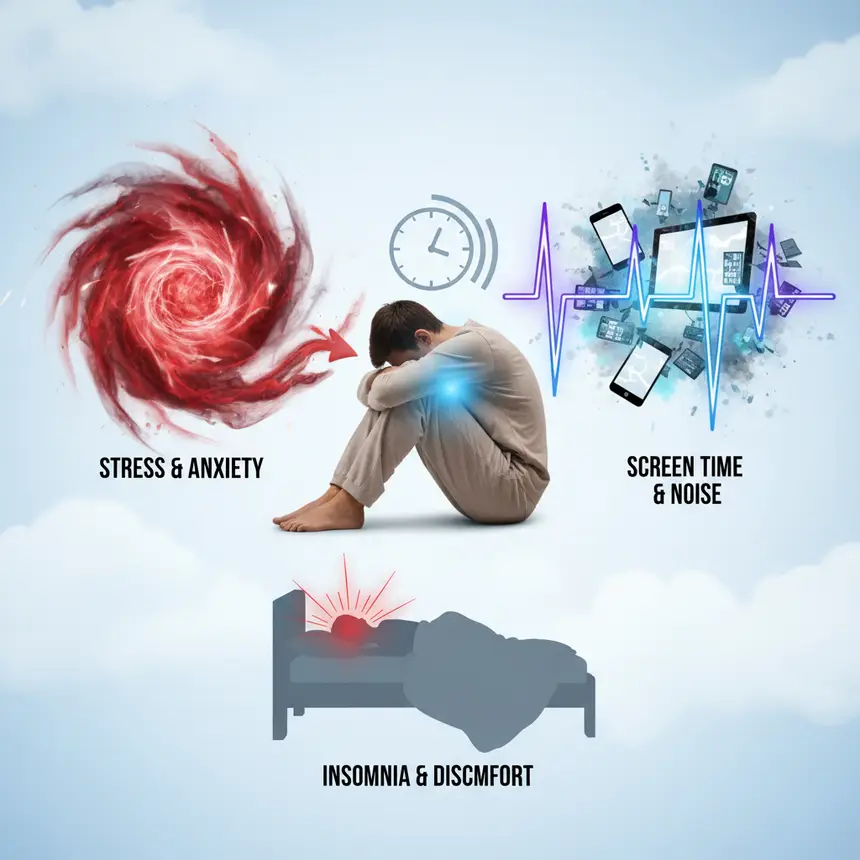
The repercussions of persistent sleeplessness extend far beyond the bedroom, significantly impacting your daytime functioning. You might experience profound fatigue, mental fogginess, reduced concentration, and heightened mood swings, negatively affecting daily life and relationships. Various factors disrupt restful sleep. Firstly, psychological elements like excessive stress, anxiety, or sadness can keep your brain overactive, making sleep difficult. Secondly, physical discomforts such as chronic pain, respiratory issues, or frequent nighttime urination are major sleep disruptors. Thirdly, an unsuitable sleep environment—loud noises, bright lights, improper temperature, or unclean bedding—can impair sleep quality. Lastly, poor habits like an irregular schedule, excessive caffeine, or reliance on alcohol also hinder deep, restorative sleep.
※ This post contains affiliate links. I may earn a commission at no extra cost to you.

Cultivating a Haven for Peaceful Nights
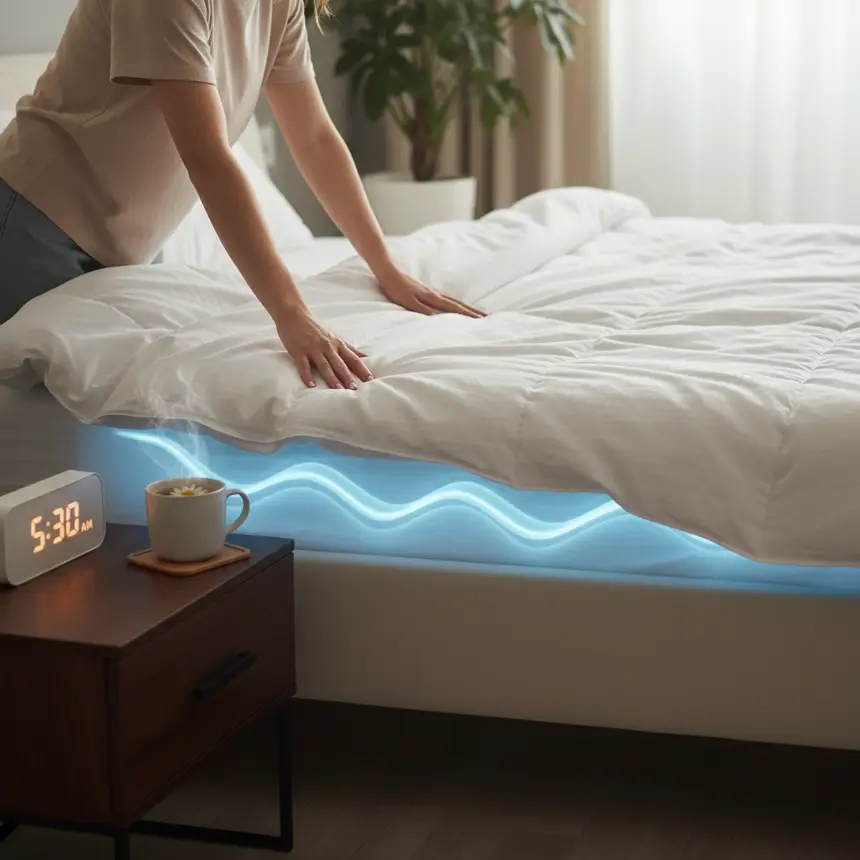
Reclaiming peaceful nights starts with evaluating your sleep habits and environment. Reduce smartphone use 1-2 hours before bed, and keep your bedroom dark, quiet, and cool. Blackout curtains or earplugs can be beneficial. Before sleeping, try relaxing activities like a warm shower or gentle stretching to ease tension. Cut back on caffeine in the afternoon and evening, and avoid alcohol, as it disrupts sleep. Maintaining a consistent sleep schedule—going to bed and waking up at similar times daily—is also crucial. If these efforts don't resolve your sleeplessness, seeking professional guidance is wise. Expert approaches involving sleep pattern analysis, relaxation techniques, and behavioral adjustments to regulate your autonomic nervous system can significantly help reduce reliance on sleep aids and empower your natural ability to sleep.
Embracing Restful Sleep as Self-Care
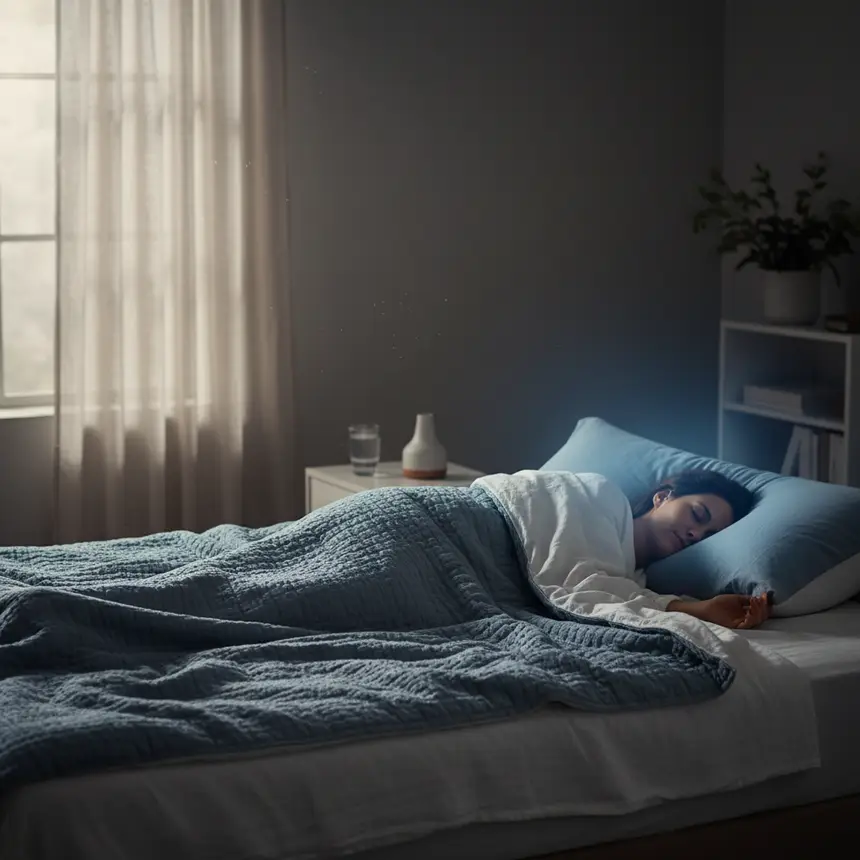
Restful sleep is more than just recovering from fatigue; it's a fundamental pillar supporting our physical and mental health. The anxiety and frustration that accompany chronic sleeplessness are entirely understandable, but instead of enduring them alone, it's vital to proactively seek solutions. Beyond implementing improved lifestyle habits and optimizing your sleep environment, consulting with professionals to objectively diagnose your sleep issues and receive personalized care is a valuable investment in your well-being. Sleep is perhaps the most basic yet profound act of self-care. It's a wise choice to prioritize it. Break free from the cycle of restless nights and rediscover the vitality and peace that deep, restorative sleep brings to a healthy daily life. With consistent effort and accurate information, your nights can once again become tranquil.
Frequently Asked Questions
Q. How can I tell if my sleep problems are actual insomnia?
A. You might suspect a sleep issue if you have difficulty falling asleep or frequently wake up at least three times a week for three months or longer. Significant daytime fatigue or trouble concentrating are also key indicators.
Q. Should I avoid using my smartphone before bed?
A. Yes, the blue light emitted from smartphone screens can suppress the production of melatonin, a hormone that helps you sleep. It's best to avoid using electronic devices for at least an hour before bedtime.
Q. I hear alcohol helps you sleep. Is that true?
A. While alcohol might initially make you feel drowsy, it actually disrupts your deep sleep cycles and can lead to waking up prematurely. Long-term, it significantly degrades sleep quality and is not recommended.
Q. Can napping during the day interfere with my nighttime sleep?
A. Short naps (under 20 minutes) can be beneficial for reducing fatigue. However, longer or late-afternoon naps can definitely make it harder to fall asleep at night. Maintaining a consistent sleep-wake schedule is generally most effective.
Q. What foods are good for promoting restful sleep?
A. No specific food guarantees sleep, but foods rich in tryptophan, such as milk, bananas, and nuts, can support the production of sleep-inducing hormones. Avoiding heavy or spicy meals close to bedtime is also a good practice.