Are you struggling with chronic fatigue, frequent eye twitches, and lethargy? Discover how balanced intake of calcium, magnesium, and vitamin D can help restore your vitality. Learn proper consumption methods and healthy lifestyle tips.

H2. Persistent Fatigue and Annoying Twitches: Does This Sound Like You?
Do you find it hard to get out of bed even after your alarm screams, only to feel utterly drained by the afternoon, like a smartphone with a dead battery? Perhaps you've noticed your eyelid twitching while staring at your computer screen, or your body feels perpetually sore and exhausted without any strenuous activity. These symptoms are often dismissed as mere lack of sleep or stress, but they could be vital signals from your body indicating a deficiency in essential nutrients. Specifically, an imbalance in key minerals and vitamins like calcium, magnesium, and vitamin D can make these discomforts more pronounced. Just as a car cannot run without fuel, your body struggles to perform optimally without adequate nutrition. If left unaddressed, this can diminish your daily vitality and overall quality of life, making it crucial to pay attention to these subtle signs.

H2. The Hidden Causes: Understanding the Impact of Calcium, Magnesium, and Vitamin D Deficiencies
Our bodies are incredibly intricate systems, and calcium, magnesium, and vitamin D are three nutrients that work closely together, regulating countless biological functions. Calcium is the cornerstone of bone health, essential for nerve and muscle function, and plays a role in blood clotting. Magnesium participates in over 300 enzymatic reactions, making it crucial for energy production, muscle relaxation, nerve stability, and heart health. A lack of magnesium can easily lead to muscle cramps or eyelid twitches. Vitamin D is vital for aiding calcium absorption in the gut and maintaining bone density, while also significantly influencing immune function and cell growth. Modern diets, often high in processed foods and coupled with reduced outdoor activity, frequently make it challenging to consume enough of these three nutrients. Vitamin D, especially, is synthesized through sun exposure, which is often insufficient for individuals spending most of their time indoors. A deficiency in any one of these can not only impact that specific nutrient but also impair the function of interacting nutrients, leading to overall bodily imbalance and the aforementioned issues of fatigue, lethargy, and muscle spasms.
※ This post contains affiliate links. I may earn a commission at no extra cost to you.

H2. Smart Nutrient Choices for a Balanced, Healthy You
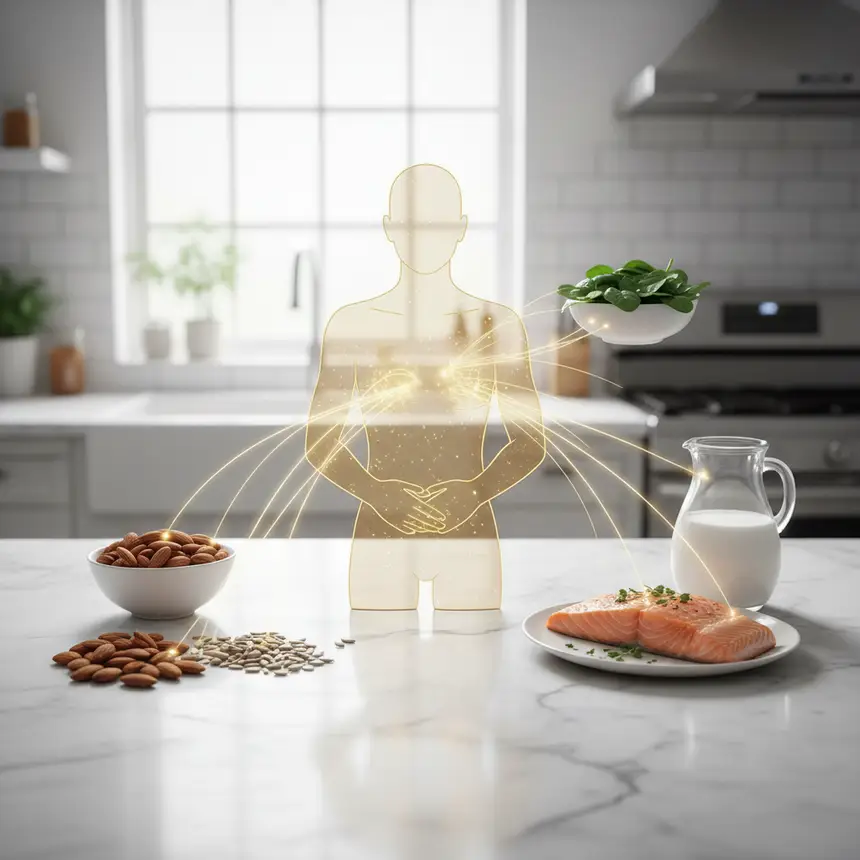
Since calcium, magnesium, and vitamin D are indispensable nutrients for our bodies, it's crucial to find effective ways to replenish them. The most fundamental approach is through food. Dairy products like milk, cheese, and yogurt, along with leafy green vegetables and small fish eaten with bones, are excellent sources of calcium. Magnesium is abundant in nuts, seeds, whole grains, legumes, and dark chocolate. Vitamin D can be obtained from fatty fish like salmon and mackerel, as well as through sun exposure. However, considering modern dietary habits and lifestyles, it's often difficult to get enough solely from food. This is where dietary supplements come into play. When choosing supplements, keep a few criteria in mind. First, check the form of each nutrient. For calcium, highly absorbable forms like calcium citrate might be considered. For magnesium, forms like magnesium glycinate are often better absorbed than magnesium oxide. Vitamin D3 is the common active form. Second, it can be more effective to check if the supplement includes vitamin K2, which enhances calcium utilization, and synergistic minerals like zinc and manganese. Third, meticulously examine the source of ingredients and processing methods. Naturally derived ingredients, such as calcium from algae or fish bone, or rice-fermented magnesium, can be more body-friendly. It's also advisable to ensure low-temperature processing is used to minimize nutrient loss. Finally, choose products from manufacturers that specify quality control standards to ensure long-term, safe consumption.

H2. Smart Lifestyle Habits for Effective Nutrient Absorption
Even with the best forms of calcium, magnesium, and vitamin D, their effectiveness can be diminished if not supported by healthy lifestyle habits. Here are concrete steps you can take to boost nutrient absorption and restore your body's vitality:
1. Optimal Timing: If your stomach is sensitive, it's generally better to take supplements after a meal rather than on an empty stomach. Taking them about 10 minutes after dinner can help reduce digestive discomfort and aid muscle relaxation before sleep.
2. Moderate Caffeine Intake: Caffeine can hinder calcium absorption and promote its excretion from the body. Especially in the evening, try swapping coffee for herbal tea or a warm glass of water.
3. Adequate Hydration: Consistently drinking over 1.5 liters of water daily is crucial not only for nutrient transport and absorption but also for overall metabolic function. A glass of water can significantly contribute to reducing fatigue and boosting bodily energy.
4. Regular Outdoor Activity: To synthesize vitamin D, it's important to spend 15-20 minutes in direct sunlight each day. Exposing your arms and legs to the sun without sunscreen is most effective. Outdoor activity also positively impacts mood and stress relief.
By integrating these habits into your daily routine, you can maximize the benefits of these nutrients and experience a more vibrant day.
1. Optimal Timing: If your stomach is sensitive, it's generally better to take supplements after a meal rather than on an empty stomach. Taking them about 10 minutes after dinner can help reduce digestive discomfort and aid muscle relaxation before sleep.
2. Moderate Caffeine Intake: Caffeine can hinder calcium absorption and promote its excretion from the body. Especially in the evening, try swapping coffee for herbal tea or a warm glass of water.
3. Adequate Hydration: Consistently drinking over 1.5 liters of water daily is crucial not only for nutrient transport and absorption but also for overall metabolic function. A glass of water can significantly contribute to reducing fatigue and boosting bodily energy.
4. Regular Outdoor Activity: To synthesize vitamin D, it's important to spend 15-20 minutes in direct sunlight each day. Exposing your arms and legs to the sun without sunscreen is most effective. Outdoor activity also positively impacts mood and stress relief.
By integrating these habits into your daily routine, you can maximize the benefits of these nutrients and experience a more vibrant day.

H2. A Vibrant Life Begins with Balanced Nutrient Intake
Small signals like eyelid twitches, chronic fatigue, and poor concentration are important messages from our bodies. Recognizing that these discomforts might stem from an imbalance of essential nutrients and actively working to improve them is vital. Calcium, magnesium, and vitamin D are key to optimizing overall bodily function and infusing vitality into your daily life. It's true that you might not achieve perfect satisfaction with supplement selection and intake right from the start. You may need to consider various factors like product form, price, and pill size. However, the changes you'll experience through consistent, informed choices and lifestyle improvements will undoubtedly exceed your expectations. The feeling of a lighter body upon waking, a clear mind that lasts through the afternoon, and the luxury of having energy left for family or personal time after work are priceless. Starting today, reconsider the importance of these three nutrients. Through balanced intake from food and supplements, combined with healthy lifestyle habits, strive to create a vibrant life for yourself. Small changes lead to great health.
Frequently Asked Questions
Q. Why is it beneficial to take Calcium, Magnesium, and Vitamin D together?
A. These three nutrients interact synergistically. Vitamin D aids calcium absorption in the intestines, and magnesium helps calcium move into the bones effectively. If their balance is disrupted, the efficacy of each nutrient can decrease, making co-ingestion more effective.
Q. I experience stomach discomfort when taking supplements. What should I do?
A. If you feel stomach discomfort after taking supplements, it's recommended to take them immediately after a meal rather than on an empty stomach. Especially for those with sensitive digestion, taking them 10-20 minutes after dinner can reduce gastrointestinal distress. Changing the supplement form to one less affected by stomach acid, such as calcium citrate, can also be helpful.
Q. Can I get enough Vitamin D solely from sunlight?
A. While vitamin D can be synthesized through ample outdoor activity and sun exposure, it's often difficult for individuals with modern lifestyles to meet the recommended daily intake. Various factors like skin exposure area, time of day, season, latitude, and sunscreen use affect vitamin D synthesis. Therefore, considering additional intake through food or supplements is often advisable.
Q. Can certain foods or drinks hinder the absorption of these nutrients?
A. Yes, some can. Caffeine and alcohol can increase the excretion of calcium and magnesium. Additionally, oxalates found in spinach or phytates in grains and legumes can bind with calcium and magnesium, inhibiting their absorption. It's advisable to space out the consumption of such foods from your supplement intake.