Struggling with focus, disorganization, and sudden emotional outbursts? Adult ADHD management centers on understanding your unique brain characteristics and implementing practical strategies to enhance daily life.

Are Your Daily Struggles More Than Just Stress? Unveiling Adult ADHD Traits
Do you find yourself constantly battling procrastination, struggling to start tasks, or experiencing sudden bursts of frustration over minor issues? Perhaps you feel mentally foggy and unfocused, even after a full night's sleep. It's common to attribute these challenges to the relentless pace of modern life, but if persistent difficulties with concentration, impulsive behaviors, and unpredictable emotional shifts become a recurring pattern, they might signal underlying neurological traits associated with Adult ADHD. Imagine navigating a busy intersection where countless thoughts and sensations bombard you all at once, making it hard to find your way. Many individuals experience challenges in cognitive and emotional regulation due to subtle differences in brain function. Understanding these unique cognitive patterns and learning effective management strategies is vital for maintaining a stable daily life and unlocking your full potential.
Beyond Distraction: Understanding the Nuances of Brain Regulation
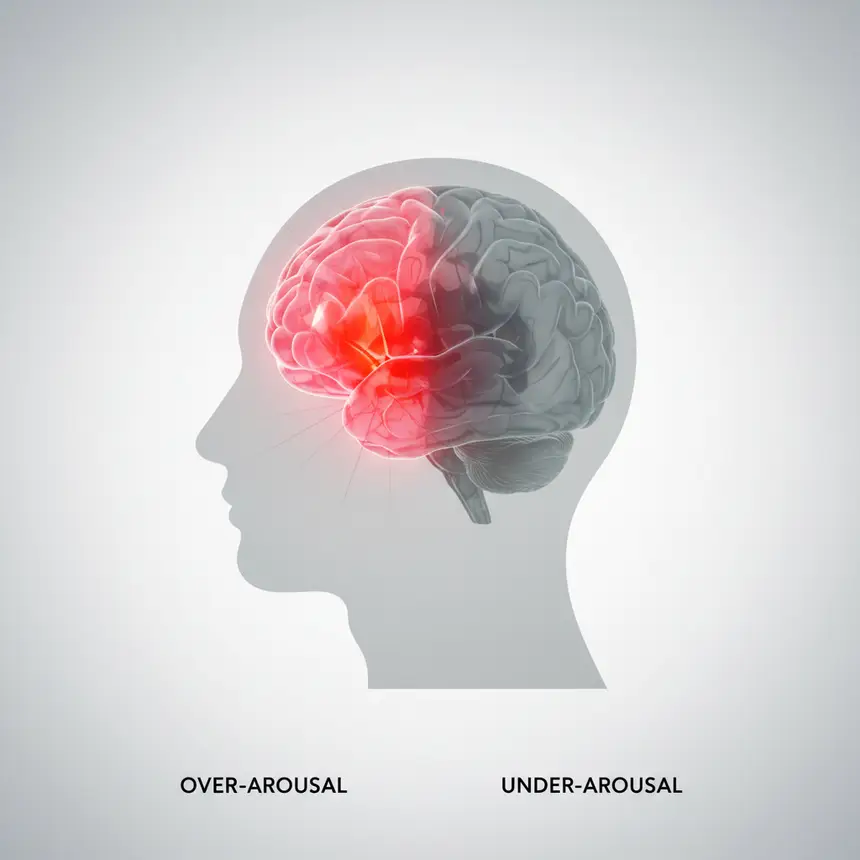
Adult ADHD is not a reflection of laziness or a lack of willpower. It's recognized as a distinctive set of neurological characteristics stemming from differences in regulatory functions within various brain regions, particularly the prefrontal cortex (responsible for planning, focus, and decision-making) and the amygdala (involved in processing and reacting to emotions). These differences can make it challenging to process information efficiently or to regulate emotional responses effectively. For instance, some individuals might exhibit an 'over-arousal' tendency, reacting with heightened anxiety to minimal stimuli. In contrast, others may experience an 'under-arousal' state, finding it difficult to sustain attention and often feeling mentally 'checked out.' These variations in brain function frequently have a genetic component, leading to a noticeable family history of similar cognitive and emotional regulation challenges. In adolescence, these traits might intertwine with academic pressures, while in adulthood, they can impact professional performance and interpersonal relationships, creating hurdles in various aspects of life.
※ This post contains affiliate links. I may earn a commission at no extra cost to you.


Integrated Strategies for Sustainable Well-being
Effectively managing Adult ADHD traits requires a multifaceted approach, not just reliance on a single solution. It's crucial to consider lifestyle habits and nutritional support alongside cognitive behavioral strategies to positively influence brain function and nervous system stability. For example, certain nutritional components can assist in modulating stress responses and fostering a sense of calm, thereby helping to gently stabilize an overactive state in the brain. This can indirectly support improved concentration and emotional regulation, creating a synergistic effect when combined with conventional management techniques. Consistent sleep patterns, a balanced diet, and effective stress management skills are foundational elements for maintaining optimal brain function. These complementary approaches play a significant role in fostering nervous system balance and enhancing overall well-being.

Practical Steps for Optimizing Brain Function in Daily Life
To effectively manage Adult ADHD traits, it's essential to establish concrete, sustainable strategies in your daily routine. Firstly, maintaining consistent habits is key. Going to bed and waking up at the same time daily, and adhering to regular meal schedules, significantly helps stabilize your brain's biological rhythms. Secondly, incorporating 'digital detox' periods is beneficial. Excessive use of smartphones and computers can easily lead to mental fatigue and over-arousal, so setting specific times each day to reduce screen usage is a valuable practice. Thirdly, regular physical activity improves blood flow to the brain and helps balance neurotransmitters. This doesn't require strenuous workouts; even a daily 30-minute walk or light stretching can yield significant benefits. Fourthly, practice emotional regulation techniques like mindfulness meditation or deep breathing to manage stress responses and cultivate inner peace. Finally, seeking professional guidance to create a personalized plan and consistently adhering to it is the cornerstone of long-term success.

Adult ADHD: Managing Traits for a Fuller Life
Many individuals facing Adult ADHD traits feel discouraged, believing it's an unchangeable condition. However, it's more productive to approach ADHD not as something to be 'cured,' but as a journey of understanding your unique 'neurological characteristics' and effectively 'managing' them. Much like someone with poor vision uses glasses to see the world more clearly, with appropriate management strategies and consistent effort, you can enhance your focus, regulate your emotions, and build a more stable and satisfying life. Through extensive observation and personal experience, it's evident that significant improvements in quality of life are achievable with sustained effort and accurate information. If you're struggling, remember you don't have to navigate this alone. Seeking professional advice and finding a tailored management plan can empower you to achieve your goals and regain a fulfilling daily routine. Take that crucial first step towards positive change today.
Frequently Asked Questions
Q. Can Adult ADHD be inherited?
A. Yes, Adult ADHD is understood to have a strong genetic component. If there's a family history, there's a higher likelihood that children may also exhibit similar traits. However, genetics are not the sole factor; environmental factors also play a role in its manifestation.
Q. Is Adult ADHD management a lifelong commitment?
A. It's more effective to view Adult ADHD as a 'management' concept rather than a 'cure.' By understanding individual characteristics and consistently managing lifestyle habits and cognitive strategies, symptoms can be significantly improved, and quality of life enhanced. It's similar to managing a chronic condition, requiring ongoing attention.
Q. What lifestyle habits can help improve focus?
A. Maintaining a consistent sleep schedule, eating a balanced diet, reducing screen time, engaging in light physical activity daily, and practicing mindfulness or deep breathing exercises to calm the mind can all contribute to improved focus and concentration.