Struggling with unexplained chronic fatigue and digestive discomfort? Leaky gut syndrome might be the hidden culprit. Discover the profound impact of small intestine health on your overall well-being and effective management strategies.

Unexplained Chronic Discomfort? It Might Be Your Gut Talking
Do you find yourself experiencing subtle digestive issues or persistent fatigue that you initially brushed off, only for them to become a constant, frustrating part of your daily life? Many people start with occasional indigestion, bloating, or irregular bowel movements (like constipation or diarrhea), hoping they’ll simply pass. But over time, these symptoms can intensify, prompting a search for relief that often leads to temporary fixes or no real change at all. If you're feeling a generalized heaviness, struggling with brain fog, or dealing with recurring skin breakouts beyond just a troubled stomach, these could be signs that a deeper issue, connected to your overall health, needs attention. Such chronic discomfort can significantly diminish your quality of life and impact your daily routine. It’s crucial to listen to these subtle signals your body sends and explore their root causes.
The Unseen Connection: How Your Small Intestine Influences Total Health
The Small Intestine: More Than Just Digestion
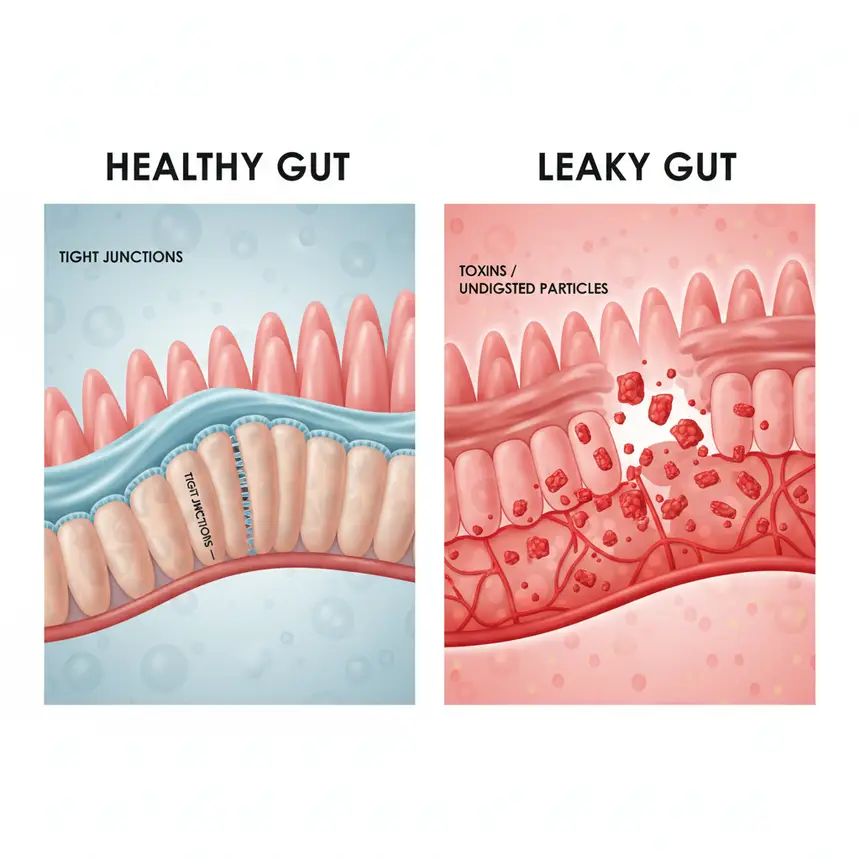
While many of us primarily associate the gut with digestion and waste elimination, it actually serves as a vital frontier for our body's defense system. The small intestine is not only a key organ for absorbing essential nutrients from food but also a critical gatekeeper, protecting us from harmful external substances. Its inner lining is covered with millions of tiny, finger-like projections called villi, which are tightly connected by specialized structures called tight junctions. These junctions act like a sophisticated filter, preventing toxins, bacteria, and undigested food particles from entering the bloodstream. However, when this delicate barrier becomes damaged or the tight junctions loosen, these unwanted substances can pass through. This condition is commonly referred to as 'leaky gut syndrome,' or intestinal hyperpermeability.
Why Leaky Gut Affects Your Entire System
Leaky gut syndrome isn't confined to digestive problems alone. Initially, symptoms might include abdominal bloating, gas, diarrhea, or constipation. But as the condition persists, it can affect the immune system and cascade into widespread systemic issues. A significant portion of our body's immune cells reside in the small intestine, so when its function is compromised, immune balance can be disrupted, leading to a variety of symptoms. Common examples include chronic fatigue, difficulty concentrating, headaches, skin conditions (like acne or eczema), joint discomfort, and sleep disturbances. Key contributors to leaky gut often include irregular eating habits, excessive stress, an imbalance in gut flora, and prolonged use of certain medications like antibiotics, NSAIDs (non-steroidal anti-inflammatory drugs), and antacids. These factors can create microscopic damage to the small intestinal lining, increasing its permeability and ultimately triggering systemic inflammation and immune system dysfunction.
※ This post contains affiliate links. I may earn a commission at no extra cost to you.


Practical Strategies for Nurturing a Healthy Gut
Rebuilding Your Gut Barrier, One Step at a Time
Effectively managing leaky gut syndrome and improving overall health fundamentally revolves around 'restoring small intestine function.' When the damaged gut lining is strengthened and its villi structures are normalized, nutrient absorption improves, immune balance is restored, and various related symptoms can naturally alleviate. Here are some actionable steps you can take:
- Embrace a Nutrient-Dense Diet: Reduce your intake of highly processed foods, sugary items, and foods with unnecessary additives. Instead, prioritize whole, natural foods such as whole grains, fresh vegetables, fruits, and quality proteins. Incorporating fiber-rich foods and fermented options (like sauerkraut, kimchi, or plain yogurt) can significantly boost beneficial gut bacteria and support a healthy gut lining.
- Master Stress Management: Chronic stress has a direct impact on gut health. Find and consistently practice stress-reducing techniques that work for you, such as meditation, yoga, regular walks in nature, or engaging in hobbies. Prioritizing quality sleep also plays a crucial role.
- Support Gut Microbiome Balance: Consider incorporating prebiotic-rich foods (e.g., garlic, onions, bananas) which feed beneficial gut bacteria, and discuss with a healthcare professional about appropriate probiotic supplements. The right types can vary by individual, so professional guidance is beneficial.
- Seek Expert Guidance: If you're experiencing persistent digestive issues or unexplained systemic symptoms, it's wise to consult a healthcare practitioner specializing in gut health. They can offer advanced testing (such as gut permeability tests or microbiome analysis) and develop a personalized management plan tailored to your specific condition, helping you address the root cause and reclaim a healthier quality of life.
Ultimately, gut health is not just about digestion; it's intricately linked to our body's immunity, vitality, and even mental well-being. Investing in the recovery of your small intestine will be a crucial first step towards moving beyond chronic discomfort and embracing a healthier, more vibrant life.
Frequently Asked Questions
Q. What kind of specialist should I see if I suspect I have leaky gut syndrome?
A. If you suspect leaky gut, it's best to consult a healthcare professional who specializes in gut health, such as a gastroenterologist, a functional medicine practitioner, or a registered dietitian. They can provide accurate diagnosis and guide you on a personalized management plan.
Q. Are there specific foods I should avoid to help manage leaky gut syndrome?
A. Generally, it's advisable to reduce or eliminate highly processed foods, sugary drinks, and foods that commonly cause sensitivities like gluten or dairy, especially if you notice they worsen your symptoms. Focus on whole, anti-inflammatory foods and observe your body's reactions.
Q. What are some simple daily habits to support overall gut health?
A. Incorporating consistent meal times, drinking plenty of water, getting moderate physical activity for at least 30 minutes most days, and practicing stress-reducing techniques like meditation or deep breathing can significantly contribute to maintaining a healthy gut. Ensuring adequate sleep is also vital.