Struggling with brain fog or a lack of focus in your daily life? Discover how specific nutrients and mindful eating habits can significantly enhance your brain health. This guide provides actionable steps to fuel your memory and concentration with the right foods.

Feeling Foggy? You're Not Alone in the Modern Brain Drain
Ever walked into a room and instantly forgotten why you went there? Or found your mind wandering during an important task? In today's fast-paced world, many of us contend with moments of brain fog, lagging memory, or difficulty maintaining focus. The constant demands of work, endless information streams, and daily stressors can take a toll on our most vital organ. While it might feel like an inevitable part of modern life, your brain health is deeply connected to your daily choices, especially your diet. It's time to recognize that fueling your brain with the right nutrients is just as crucial as fueling your body.
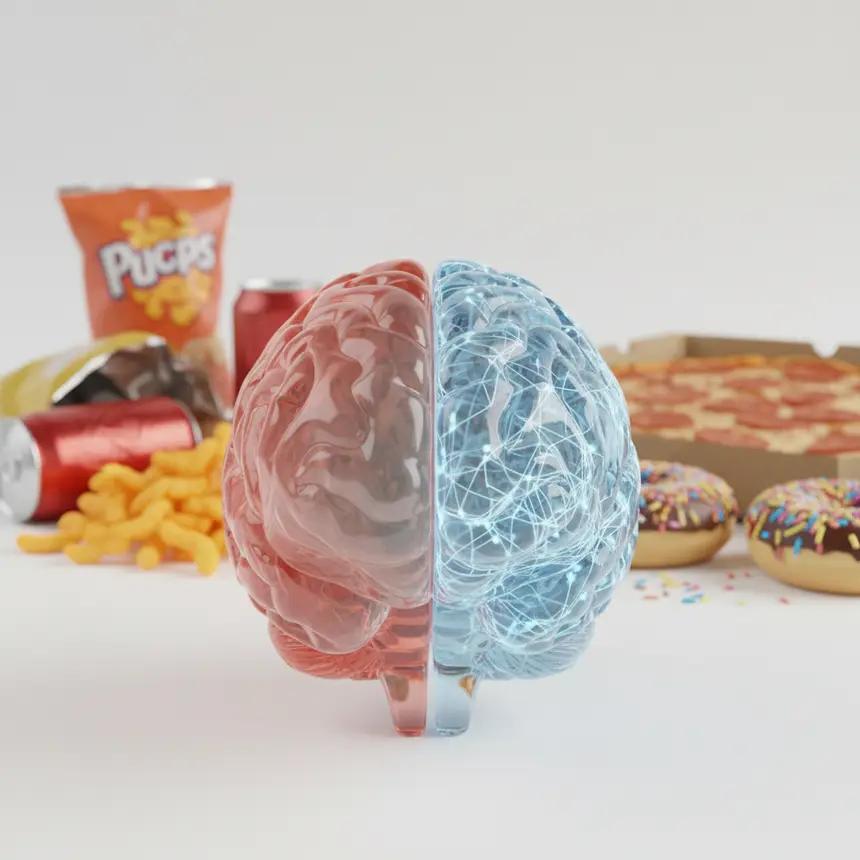
Why Your Brain Might Be Crying Out for Better Nutrition
Your brain is an incredible powerhouse, consuming a significant portion of your body's energy to manage everything from thoughts to emotions, learning, and intricate information processing. Yet, the typical modern diet—often high in processed foods, unhealthy fats, and refined sugars, coupled with irregular eating patterns—can leave your brain running on empty. A consistent lack of essential brain nutrients can impair neuron communication, reduce cognitive efficiency, and directly impact your memory and focus. This isn't just about minor inconveniences; it affects your productivity, learning capacity, and overall quality of life. Sustaining optimal brain function relies heavily on providing a steady supply of high-quality fuel through a balanced diet.
※ This post contains affiliate links. I may earn a commission at no extra cost to you.

Essential Nutrients and Foods for a Sharper Mind
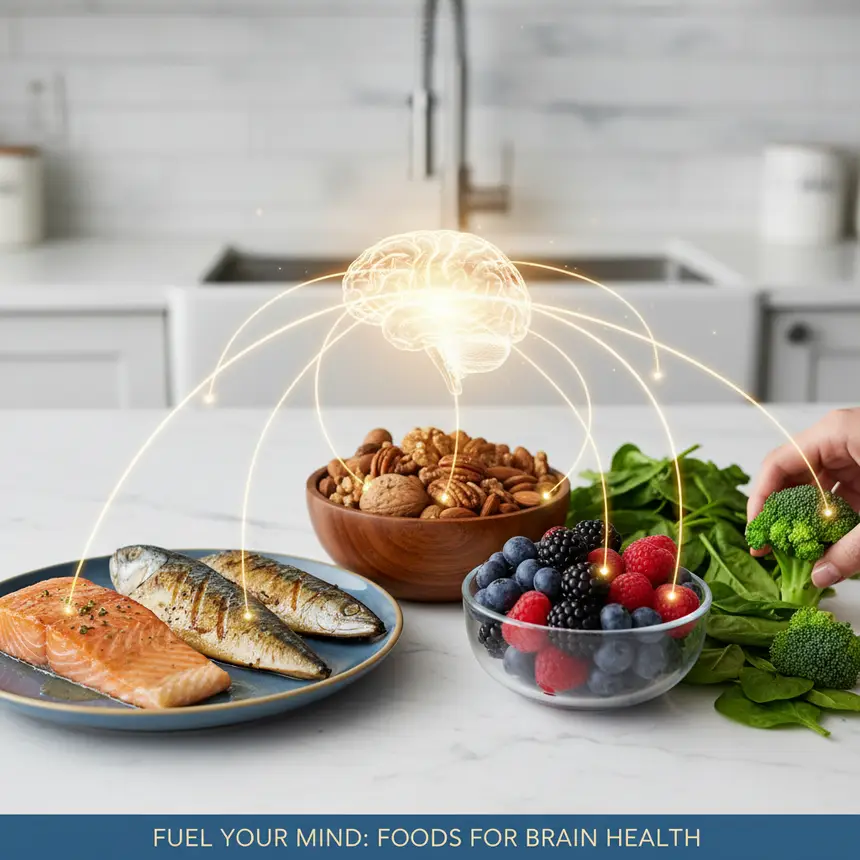
The foundation of robust brain health begins with what you eat. Certain nutrients are pivotal in protecting brain cells and enhancing neural pathways.
- Omega-3 Fatty Acids: These healthy fats are building blocks of brain cell membranes and are crucial for improving communication between brain cells. Excellent sources include fatty fish like salmon, mackerel, and sardines.
- Antioxidants: Found abundantly in berries such as blueberries and raspberries, these compounds help combat oxidative stress, protecting brain cells from damage and supporting overall cognitive function.
- Vitamin E & Healthy Fats: Nuts like walnuts and almonds are packed with Vitamin E, a potent antioxidant, and monounsaturated fats that provide a stable energy source for the brain, aiding memory and focus.
- Diverse Vitamins and Minerals: Leafy green vegetables like spinach and broccoli offer a rich array of nutrients, including folate, Vitamin K, and lutein, all of which contribute to maintaining brain health and protecting against decline.

Simple Strategies to Integrate Brain-Healthy Eating into Your Day
Improving your diet for brain health doesn't require drastic changes. Small, consistent efforts can yield significant results in memory and focus.
1. Eat Fatty Fish Twice a Week: Aim for two servings of salmon or mackerel weekly. Grill them, bake them, or add them to salads for a potent dose of Omega-3s.
2. Snack on a Handful of Nuts Daily: Keep unsalted walnuts or almonds handy for a convenient, brain-friendly snack. They're perfect for satisfying hunger between meals.
3. Add Berries to Breakfast or Smoothies: Sprinkle blueberries into your oatmeal, yogurt, or blend them into a morning smoothie for an antioxidant boost.
4. Load Up on Leafy Greens at Every Meal: Incorporate spinach into omelets, add kale to stir-fries, or enjoy a generous side salad with your dinner.
5. Stay Hydrated: Your brain is about 80% water. Drink plenty of fluids throughout the day—aim for eight glasses of water—to support optimal brain function.
These straightforward dietary adjustments can profoundly impact your brain health, helping you sustain better memory and concentration long-term.
1. Eat Fatty Fish Twice a Week: Aim for two servings of salmon or mackerel weekly. Grill them, bake them, or add them to salads for a potent dose of Omega-3s.
2. Snack on a Handful of Nuts Daily: Keep unsalted walnuts or almonds handy for a convenient, brain-friendly snack. They're perfect for satisfying hunger between meals.
3. Add Berries to Breakfast or Smoothies: Sprinkle blueberries into your oatmeal, yogurt, or blend them into a morning smoothie for an antioxidant boost.
4. Load Up on Leafy Greens at Every Meal: Incorporate spinach into omelets, add kale to stir-fries, or enjoy a generous side salad with your dinner.
5. Stay Hydrated: Your brain is about 80% water. Drink plenty of fluids throughout the day—aim for eight glasses of water—to support optimal brain function.
These straightforward dietary adjustments can profoundly impact your brain health, helping you sustain better memory and concentration long-term.

Embark on Your Journey to a Sharper, More Vibrant Brain Today
Feeling overwhelmed by flagging memory or a struggle to focus? It's time to empower your brain with the nutrition it deserves. The brain-healthy diet principles we've discussed are not complex or out of reach. They involve making informed choices about everyday foods and consistently incorporating them into your eating habits. Imagine the clarity, improved focus, and enhanced memory you could experience with just a few mindful shifts. Open your pantry, fill your fridge with colorful, nutrient-rich ingredients, and take that first step. Your brain will thank you with renewed vitality and sharper cognitive performance, paving the way for a more fulfilling and productive life.
Frequently Asked Questions
Q. What are the best dietary habits for overall brain health?
A. Prioritizing foods rich in Omega-3 fatty acids (fatty fish), antioxidants (berries), healthy fats and Vitamin E (nuts), and a variety of vitamins and minerals (leafy green vegetables) is key for a healthy brain.
Q. Which foods are particularly good for memory enhancement?
A. Fatty fish like salmon and mackerel, rich in Omega-3 fatty acids essential for brain cell structure, and antioxidant-packed berries such as blueberries, are excellent choices to support memory function.
Q. What should I eat to improve my focus and concentration?
A. Foods high in healthy fats and Vitamin E, like walnuts and almonds, provide crucial energy and antioxidant protection for the brain. Leafy greens, with their array of vitamins and minerals, also help sustain focus.
Q. Are there any specific dietary patterns I should avoid for brain health?
A. To protect brain health, it's best to limit highly processed foods, excessive sugar intake, and foods high in trans fats, as these can contribute to inflammation and impair cognitive function.
Q. Beyond diet, what else can I do to support brain health?
A. Regular aerobic exercise boosts blood flow to the brain, while adequate sleep and stress management are vital. Engaging in new learning activities also helps keep your brain active and resilient.