Infant hypothermia is as dangerous as a high fever. Learn about normal temperature ranges, emergency responses, warning signs, and prevention tips to keep your baby safe. Essential information for every parent.

The Unseen Danger: Why Infant Hypothermia Demands Your Attention
As parents, we often brace ourselves for the dreaded high fever, but what about the equally concerning scenario of a sudden drop in a baby's body temperature? Many parents have experienced the chilling discovery of a baby's cool skin in the early hours, often after a fever-reducing medication led to sweating. Unlike adults, infants have an underdeveloped ability to regulate their body temperature, making them highly susceptible to environmental changes and even medication responses. This vulnerability means that infant hypothermia requires prompt and informed action. Recognizing the subtle signs of a temperature dip is crucial for protecting your little one's health and ensuring timely intervention.
Defining Infant Hypothermia: Key Temperature Ranges and Risk Levels
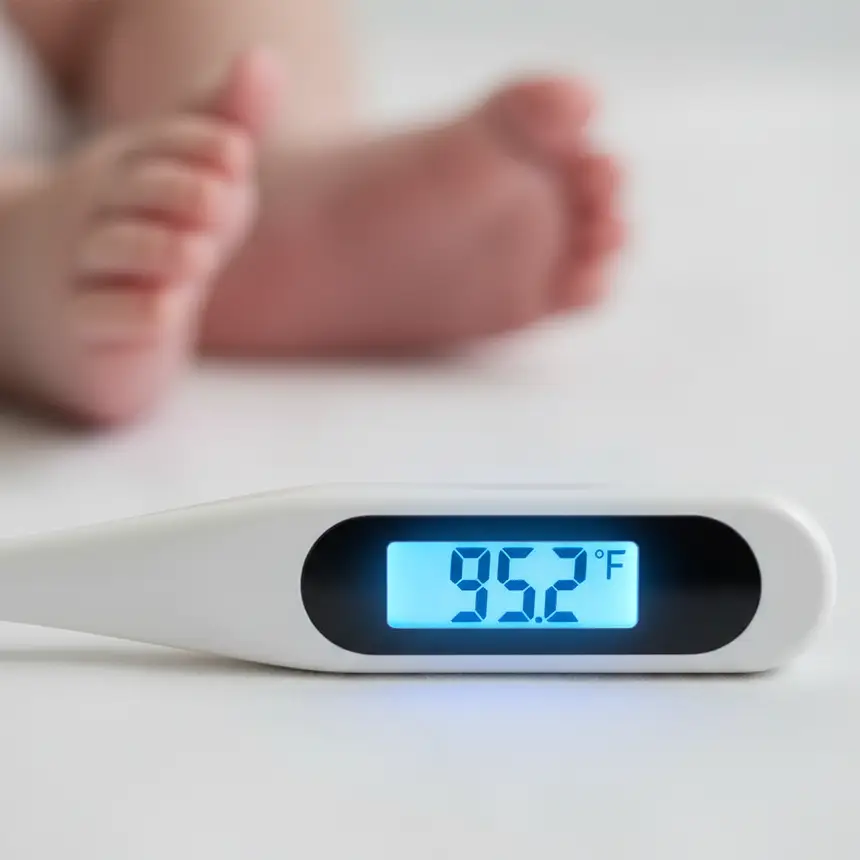
A baby's normal body temperature typically falls between 97.7°F and 99.5°F (36.5°C to 37.5°C). While measurements can vary slightly depending on where you take the temperature, understanding these general guidelines is vital for assessing your baby's condition.
- 96.8°F - 97.5°F (36.0°C - 36.4°C): This range warrants careful observation. Continuously monitor your baby and implement gentle warming measures.
- Below 96.8°F (36.0°C): This is considered an emergency requiring immediate and comprehensive rewarming efforts. If your baby seems unusually lethargic or displays other concerning signs, swift action is paramount.
- Below 95.0°F (35.0°C): This indicates a life-threatening emergency. Seek immediate medical attention, heading directly to an emergency room without delay.
※ This post contains affiliate links. I may earn a commission at no extra cost to you.

Immediate Steps Parents Can Take When Hypothermia Strikes
If you suspect your baby is experiencing hypothermia, stay calm and follow these essential first-aid steps to help restore their body temperature:
1. Change Wet Clothing Immediately: If your baby's clothes are damp from sweat (perhaps after a fever medication) or any other reason, the moisture can rapidly wick away body heat. Replacing wet clothing with dry, warm attire is a crucial first step.
2. Skin-to-Skin Contact (Kangaroo Care): Holding your baby's bare skin directly against your own warm skin is one of the most effective ways to transfer body heat. Cover both you and your baby with a blanket to trap the warmth and prevent further heat loss.
3. Offer Warm Fluids (If Conscious): If your baby is alert and responsive, offer small, frequent sips of lukewarm water or a mild herbal tea like chamomile. This can help raise their internal temperature. Crucially, if your baby is drowsy, unresponsive, or has difficulty swallowing, do NOT give any fluids due to aspiration risk.
4. Adjust Room Environment: Close windows and doors to prevent cold drafts. Aim to maintain a comfortable room temperature, ideally between 75°F and 79°F (24°C to 26°C). Be cautious with electric blankets or heating pads, as they can cause burns if too hot.
Despite these immediate measures, if your baby's temperature continues to drop below 95.0°F (35.0°C) or shows no signs of improvement, do not hesitate to go to the nearest emergency room for professional medical care.
1. Change Wet Clothing Immediately: If your baby's clothes are damp from sweat (perhaps after a fever medication) or any other reason, the moisture can rapidly wick away body heat. Replacing wet clothing with dry, warm attire is a crucial first step.
2. Skin-to-Skin Contact (Kangaroo Care): Holding your baby's bare skin directly against your own warm skin is one of the most effective ways to transfer body heat. Cover both you and your baby with a blanket to trap the warmth and prevent further heat loss.
3. Offer Warm Fluids (If Conscious): If your baby is alert and responsive, offer small, frequent sips of lukewarm water or a mild herbal tea like chamomile. This can help raise their internal temperature. Crucially, if your baby is drowsy, unresponsive, or has difficulty swallowing, do NOT give any fluids due to aspiration risk.
4. Adjust Room Environment: Close windows and doors to prevent cold drafts. Aim to maintain a comfortable room temperature, ideally between 75°F and 79°F (24°C to 26°C). Be cautious with electric blankets or heating pads, as they can cause burns if too hot.
Despite these immediate measures, if your baby's temperature continues to drop below 95.0°F (35.0°C) or shows no signs of improvement, do not hesitate to go to the nearest emergency room for professional medical care.
Vigilance is Key: Preventing Hypothermia in Vulnerable Infants
Infant hypothermia can be even more insidious than a high fever, often going unnoticed until it becomes severe. Watch for subtle early warning signs such as unusual lethargy, excessive sleepiness, or pale lips and bluish tints to fingers and toes (cyanosis). Initially, your baby might shiver to generate heat, but in severe cases, shivering can stop, and their body might become stiff. Remember that several factors can contribute to hypothermia, including overuse of fever reducers, prolonged exposure to cold environments, wearing wet clothes for too long, or even inadequate nutrition and fatigue. Relying solely on a thermometer is not enough; a parent's attentive observation is paramount. Regularly check your baby's hands, feet, and the back of their neck, and trust your instincts if something feels off. Recognizing these subtle changes can be the strongest defense in protecting your little one's fragile health.
Frequently Asked Questions
Q. What temperature indicates hypothermia in a baby?
A. Generally, a baby's temperature below 96.8°F (36.0°C) is considered hypothermia. Temperatures below 95.0°F (35.0°C) are a medical emergency requiring immediate professional help.
Q. What's the first thing I should do if my baby shows signs of hypothermia?
A. The immediate first step is to change any wet clothing to dry clothes and provide skin-to-skin contact (Kangaroo care) by holding your baby close against your bare skin to transfer body heat.
Q. Can fever reducers cause a baby's temperature to drop too low?
A. Yes, excessive use or overdosing on fever-reducing medications can sometimes lead to a significant drop in body temperature, a phenomenon known as rebound hypothermia. Always follow dosage instructions carefully.
Q. How can I prevent infant hypothermia in everyday situations?
A. Maintain a stable and comfortable indoor temperature (75-79°F or 24-26°C), ensure your baby wears dry clothes, and replace any wet clothing promptly. Adequate nutrition and rest also support your baby's natural temperature regulation.
Q. When should I take my baby to the hospital or emergency room for hypothermia?
A. If your baby's temperature drops below 95.0°F (35.0°C) despite home warming efforts, or if they become unresponsive, excessively drowsy, or show other severe symptoms, seek immediate emergency medical attention.