Struggling with chronic fatigue and weight changes? Discover dietary principles and key nutrients that can support thyroid function and inflammation management. Get practical food intake guidance for a healthier life.

Is Your Chronic Fatigue a Sign of Thyroid Imbalance?
Do you find yourself constantly battling unexplained fatigue, feeling unusually sensitive to cold, or noticing sudden shifts in your weight? These common complaints often get dismissed as stress or aging, but they can sometimes point to an imbalance in your thyroid function. Many people don't realize their thyroid might be struggling until they get a blood test. For instance, a thyroid-stimulating hormone (TSH) level consistently above the normal range (0.4–4.0 mIU/L), especially higher than 8.0, could indicate an underactive thyroid. If these symptoms resonate with you, it's crucial to consult a healthcare professional for an accurate diagnosis and guidance. While medical treatment is paramount, making smart dietary choices can play a supportive role in managing your thyroid health. If you're feeling overwhelmed by the sheer volume of conflicting advice on what to eat for a healthy thyroid, this guide aims to provide clear, actionable insights to help you navigate your nutritional journey.
Key Nutrients and Food Choices for Optimal Thyroid Function
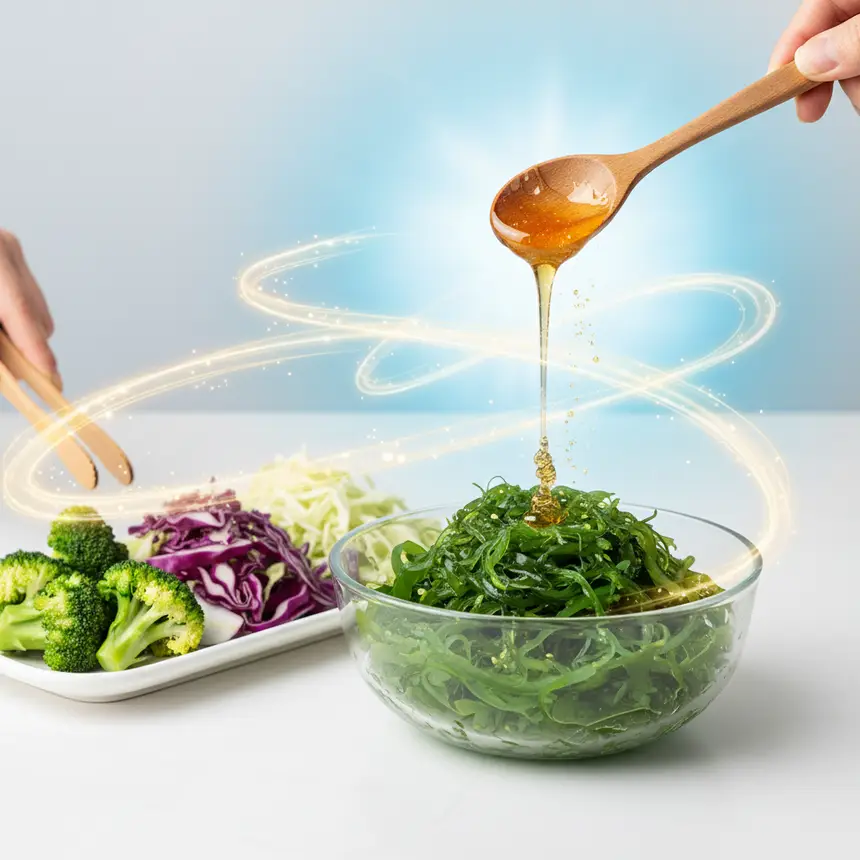
Maintaining healthy thyroid function relies on a careful balance of specific nutrients. Iodine, for example, is indispensable for the synthesis of thyroid hormones (T3 and T4). Foods like seaweed, kelp, and nori are rich sources of iodine. Just a small serving, such as 5 grams of dried seaweed, can provide two to three times the daily recommended intake of 150µg. However, for individuals with autoimmune thyroid conditions like Hashimoto's thyroiditis, excessive iodine intake can sometimes exacerbate inflammation. It's often advisable to consume iodine-rich foods in moderation, perhaps 2-3 times a week, and to opt for less seasoned options or use them primarily for broths to control sodium intake. Beyond iodine, managing chronic inflammation is critical for thyroid health. Certain types of honey, known for their high Methylglyoxal (MGO) content, offer potent anti-inflammatory and antioxidant properties. When choosing such honey for inflammation management, looking for a higher MGO rating, perhaps MGO 826 or above, can be beneficial. A common practice is to consume one teaspoon (about 5g) on an empty stomach daily, ensuring it's not mixed with hot liquids above 104°F (40°C) to preserve its beneficial compounds. Observing consistent intake, some individuals report improvements in their inflammatory markers, such as C-reactive protein (CRP) levels, which might decrease from 6.5 to 2.48. When selecting honey, verifying its carbon isotope ratio (δ13C) – ideally -22.5 for natural, -28 for premium – along with certifications for pesticide and heavy metal absence, and ensuring low-temperature processing (below 75°F or 24°C), are good indicators of quality. Lastly, cruciferous vegetables like broccoli and cabbage contain sulforaphane, an antioxidant compound that supports immune balance. To maximize sulforaphane activation, try chopping these vegetables, letting them sit for 5 minutes, and then steaming them for 3-5 minutes. Consuming them blended on an empty stomach can enhance absorption. While raw consumption in large quantities might interfere with iodine uptake, cooking these vegetables largely eliminates this concern, making them a healthy addition to your diet in moderation.
※ This post contains affiliate links. I may earn a commission at no extra cost to you.

Actionable Steps for Thyroid-Friendly Eating and Lifestyle Habits
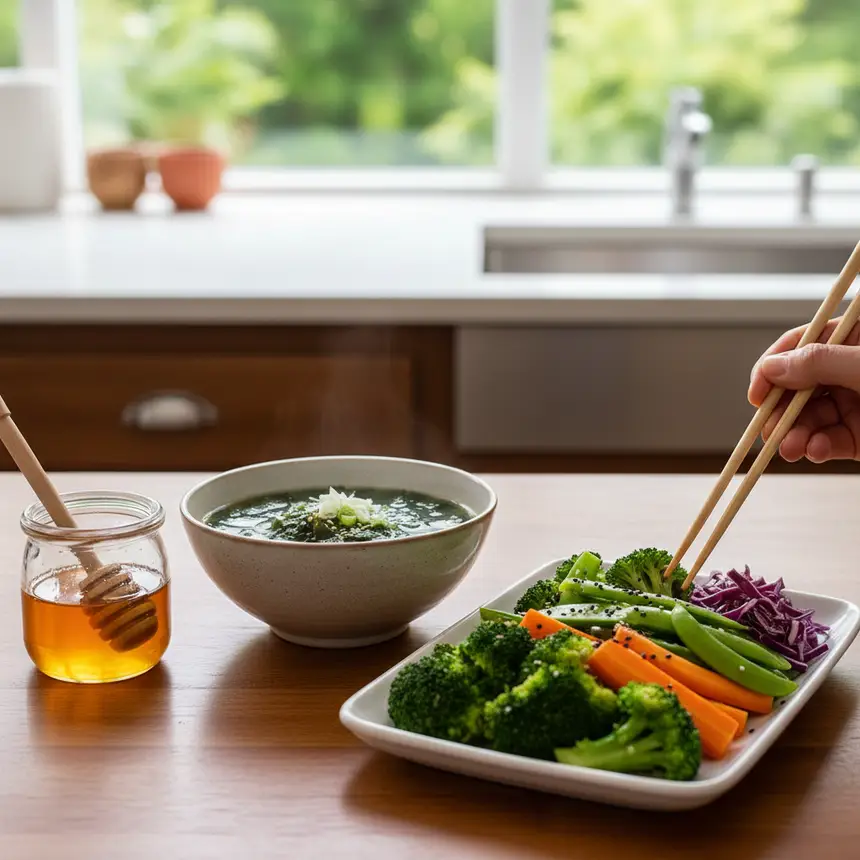
Integrating a thyroid-supportive diet goes beyond just adding specific foods; it's about fostering a balanced and holistic eating pattern. Start by mindfully incorporating iodine-rich sea vegetables, anti-inflammatory honeys, and immune-balancing cruciferous vegetables into your meals. Seaweed can be added to soups or salads, honey can sweeten cool beverages or be taken plain, and steamed cruciferous vegetables can form the base of a salad or be blended into smoothies. For example, you might begin your day with a broccoli smoothie enhanced with a spoonful of high-MGO honey and include a seaweed salad or nori sheets with your dinner a few times a week. Consistency is key, and paying attention to how your body responds to these changes is crucial. It's important to remember that dietary adjustments are complementary to, not a replacement for, professional medical care. Thyroid conditions require diagnosis and treatment by a qualified healthcare provider. Always consult your doctor or a registered dietitian before making significant changes to your diet, especially if you have a diagnosed thyroid condition, as individual needs can vary widely. Beyond diet, embracing a holistic approach to wellness—including regular physical activity, sufficient sleep, and stress management—will further support not just your thyroid but your overall health and well-being.
Frequently Asked Questions
Q. How should I manage iodine intake if I have an underactive thyroid?
A. While iodine is essential for thyroid hormone production, for autoimmune conditions like Hashimoto's thyroiditis, excessive iodine can worsen inflammation. It's best to consult a healthcare professional to determine your appropriate intake. Limiting iodine-rich foods like seaweed to 2-3 times a week and preparing them with less salt is generally recommended.
Q. Is it true that cruciferous vegetables (broccoli, cabbage) are bad for the thyroid?
A. Not entirely. While large amounts of raw cruciferous vegetables might contain compounds that interfere with iodine absorption, cooking largely deactivates these compounds. When cooked and consumed in moderation, they provide beneficial antioxidants like sulforaphane that support immune balance, making them a healthy dietary component.
Q. What should I look for when choosing honey for its anti-inflammatory properties?
A. To maximize potential anti-inflammatory benefits, look for honey with a high Methylglyoxal (MGO) rating. Additionally, checking for its carbon isotope ratio (δ13C), certifications for absence of pesticides and heavy metals, and confirming it underwent low-temperature processing (below 75°F or 24°C) are good indicators of quality.
Q. Can diet alone manage a thyroid condition?
A. Diet plays a supportive role in thyroid health management but cannot solely manage a thyroid condition. Thyroid disorders require diagnosis and appropriate medical treatment prescribed by a healthcare professional. Dietary changes should always be made in consultation with your doctor or a registered dietitian to complement your medical treatment.