Experiencing tingling hands and feet, or constant fatigue? These might be signals of poor blood circulation. Learn about common symptoms and practical ways to support healthy blood flow throughout your body. Start your journey to better vascular health today.

Do Your Legs Feel Heavy and Swollen by Evening?
Have you noticed your hands and feet often feel cold or tingly? Do your legs feel surprisingly heavy and tired after just a short walk? Perhaps you wake up with a puffy face or swollen ankles, only for your shoes to feel uncomfortably tight later in the day. These seemingly minor discomforts might be more than just everyday fatigue; they could be your body signaling that its vital blood circulation isn't working as efficiently as it should. When the smooth flow of blood, carrying essential oxygen and nutrients to every corner of your body, gets obstructed, different parts of your system begin to struggle. It’s much like a garden drying out when its irrigation system is clogged; your cells don't receive the nourishment they need, leading to various unwelcome symptoms. Paying attention to these subtle changes in your body is the first crucial step.
Why Isn't Blood Flowing Freely Throughout the Body?
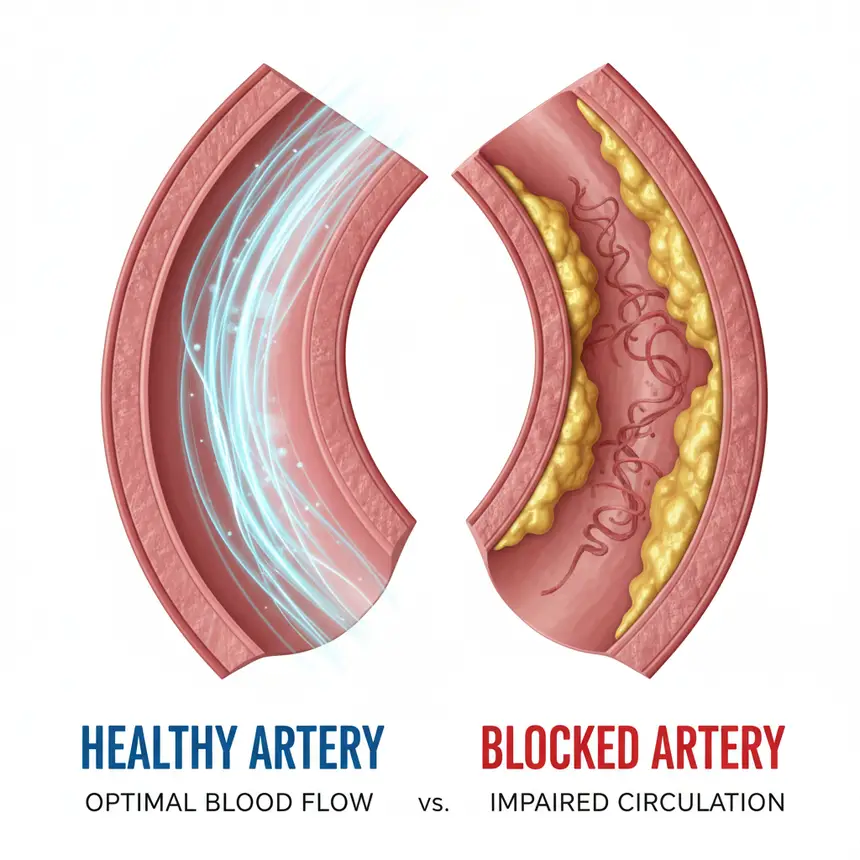
Blood is the ultimate delivery system of our bodies, originating from the heart, traveling through arteries to supply oxygen and nutrients, and returning via veins, carrying away waste products. When this critical flow is impeded, we refer to it as "poor blood circulation" or "circulatory issues." The most common culprit behind this problem is the excessive accumulation of fatty substances, specifically cholesterol and triglycerides, along the walls of our blood vessels. Imagine an old plumbing system slowly becoming constricted by rust and debris; similarly, our blood vessels can narrow and lose elasticity over time. This continuous buildup slows down blood flow and can even partially block vessels. The risk naturally increases as we age, especially beyond 40, when vessel elasticity typically declines. A significant portion of adults, particularly in many modern societies, also contend with elevated fat levels in their blood, making them more susceptible to these circulatory challenges. Ignoring these signs can lead to severe health consequences for the heart and brain, making early intervention and management incredibly important.
※ This post contains affiliate links. I may earn a commission at no extra cost to you.


Unlocking Better Circulation: Three Core Strategies
What’s the initial step towards restoring healthy blood circulation? It involves making small, impactful changes in your daily life to enhance vascular health. This approach centers around three primary strategies: consistent physical activity, a balanced nutritional intake, and targeted nutrient supplementation when necessary. Physical activity is vital for boosting vessel flexibility and promoting effective blood flow, strengthening the heart. Diet plays a direct and critical role in managing blood fat levels; it's crucial to minimize foods high in saturated and trans fats while actively incorporating blue-backed fish, nuts, fresh vegetables, and fruits. Lastly, supplementing with specific nutrients can offer comprehensive support for overall vascular health. This includes omega-3 fatty acids for triglyceride management, plant-derived compounds that positively influence cholesterol balance, and antioxidants that help slow vessel aging and support healthy blood pressure. Implementing these three strategies synergistically can lead to significantly improved blood flow throughout your body.

Practical Habits for a Healthier Circulatory System, Starting Today
Improving your blood circulation doesn't require drastic overhauls; it's about adopting practical, consistent habits into your daily routine.
1. Move for 30 Minutes Daily: Engage in at least 30 minutes of aerobic exercise most days of the week, such as brisk walking, light jogging, or swimming. This significantly enhances vessel elasticity and overall blood flow. Aim for five or more days weekly.
2. Adopt a Vessel-Friendly Diet:
4. Consider Targeted Nutrient Support:
1. Move for 30 Minutes Daily: Engage in at least 30 minutes of aerobic exercise most days of the week, such as brisk walking, light jogging, or swimming. This significantly enhances vessel elasticity and overall blood flow. Aim for five or more days weekly.
2. Adopt a Vessel-Friendly Diet:
- Minimize your intake of foods rich in saturated and trans fats, found in fast food, processed meats, and fried items.
- Actively incorporate foods known to support vascular health, like omega-3 rich fatty fish (salmon, mackerel), nuts (almonds, walnuts), olive oil, whole grains, garlic, and onions.
- Moderate alcohol consumption, as excessive intake can elevate triglyceride levels.
4. Consider Targeted Nutrient Support:
- Omega-3 Fatty Acids: Can help improve blood triglyceride levels and support overall blood flow. Opt for highly absorbable forms.
- Cholesterol-Supporting Compounds: Explore plant-derived ingredients that can positively influence blood cholesterol balance.
- Coenzyme Q10 (CoQ10): Acts as an antioxidant, helping to slow vessel aging and support healthy blood pressure. As natural production declines after age 40, supplementation can be a wise consideration. CoQ10 may offer synergistic benefits when taken alongside cholesterol-supporting compounds.

Don't Wait – Choose a More Vibrant Tomorrow
It’s easy to dismiss our body’s subtle signals. Yet, minor discomforts like persistent tingling in your extremities or chronic fatigue could actually be crucial warnings from your circulatory system. Just as stagnant water can become unhealthy, a sluggish blood flow can gradually impair your body’s well-being. While it's true that already hardened vessels, a condition like atherosclerosis, cannot be entirely reversed to their youthful state, consistent management from today onwards can significantly slow down or halt the progression of circulatory issues. Start investing in your vascular health with the lifestyle adjustments and essential nutrient support we've discussed. Small, consistent efforts will combine to generate vibrant energy and lead you towards a healthier, more active future. Your body rewards the attention you give it.
Frequently Asked Questions
Q. Does numbness in my hands and feet automatically mean I have a circulation problem?
A. Not necessarily. Numbness and tingling can also stem from other issues like peripheral nerve problems or a herniated disk in your neck. However, if you experience tingling and coldness in both hands and feet simultaneously and persistently, it's worth considering a potential circulatory issue. Consulting a healthcare professional is always recommended for an accurate diagnosis.
Q. What foods are good for improving blood circulation?
A. Foods rich in omega-3 fatty acids, such as fatty fish (salmon, mackerel), olive oil, nuts, garlic, and onions, are generally considered beneficial for circulation. Conversely, it's wise to reduce your intake of foods high in saturated fats like bacon, butter, or highly processed snacks. While diet is important, relying solely on food might not be enough to significantly alter blood lipid levels; combining it with other lifestyle changes and targeted nutrient support is often more effective.
Q. Can poor circulation truly lead to serious conditions like heart attacks or strokes?
A. Yes, if poor blood circulation is left unmanaged for an extended period, the risk of severe events like heart attacks and strokes significantly increases. Persistent narrowing of blood vessels can lead to the formation of clots, which can then completely block blood flow. Reports indicate that a substantial number of patients experiencing heart-related issues had pre-existing elevated blood fat levels. Therefore, early management is crucial even when levels are borderline.
Q. If my blood vessels are already damaged, can they be fully restored?
A. While it's challenging to completely reverse conditions like atherosclerosis, where blood vessels have already hardened, it is definitely possible to slow down or halt the progression of circulatory issues through consistent management. For instance, noticeable positive changes in blood triglyceride levels can often be seen within just a few weeks of adopting healthier dietary habits and regular exercise.