High cholesterol is a common health concern today. This article helps you understand cholesterol levels and provides effective strategies for managing vascular health through diet, exercise, and specific nutrients. Maintain a vibrant life with healthy habits.

Understanding Your Cholesterol: A Wake-Up Call for Vascular Health
Many of us experience a moment when a routine health check-up delivers unexpected news. Hearing that your cholesterol levels are elevated can be unsettling, sparking questions like, "Could I have high cholesterol?" This scenario is a reality for countless individuals, prompting a crucial reassessment of daily habits and their impact on our cardiovascular system. It’s a common experience to be unaware of the silent work our blood vessels perform until a concerning number appears on a lab report. When cholesterol levels signal a deviation from the healthy range, it becomes an opportune moment to proactively engage in managing and protecting our vascular health. This personal reflection often serves as a powerful motivator to delve deeper into effective strategies for maintaining a healthy circulatory system.
The Silent Signal: Why High Cholesterol Levels Demand Attention
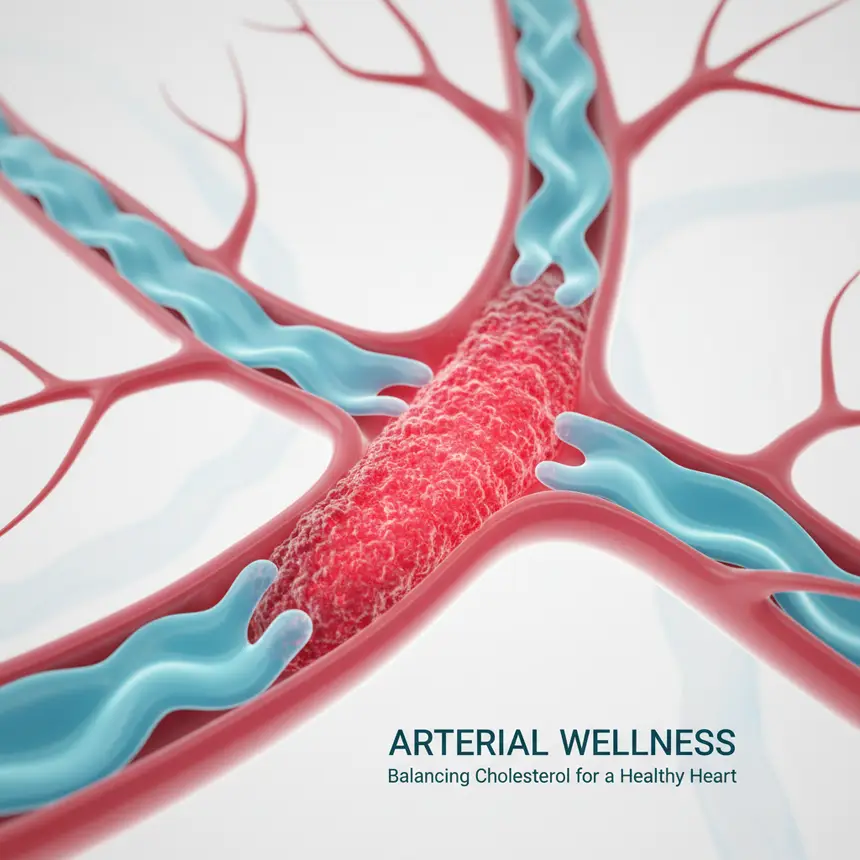
Cholesterol plays vital roles in our body, from cell membrane structure to hormone production. However, an imbalance, particularly with low-density lipoprotein (LDL) cholesterol, can lead to concerns. Generally, levels below 130mg/dL are considered optimal. Levels between 130-159mg/dL warrant careful monitoring, while anything at or above 160mg/dL typically requires proactive management. When there's an excess of cholesterol in the bloodstream, it can accumulate along artery walls, potentially leading to a narrowing or stiffening of these crucial vessels. This process can impede proper blood flow, creating a significant long-term risk factor for serious cardiovascular and cerebrovascular health challenges. Elevated cholesterol often presents no noticeable symptoms in its early stages, earning it the moniker "the silent signal." Therefore, regular health screenings to track your cholesterol levels, coupled with efforts to maintain them within a healthy range through lifestyle adjustments, are incredibly important for overall well-being.
※ This post contains affiliate links. I may earn a commission at no extra cost to you.

Holistic Approaches for Healthy Blood Vessels: Diet, Exercise, and Targeted Nutrients
Effectively managing cholesterol levels involves a multifaceted approach that integrates mindful eating, consistent physical activity, and the strategic use of beneficial nutrients. These aren't just theoretical concepts; they are practical steps that have shown positive outcomes for many individuals.
1. Embracing a Healthier Diet
1. Embracing a Healthier Diet
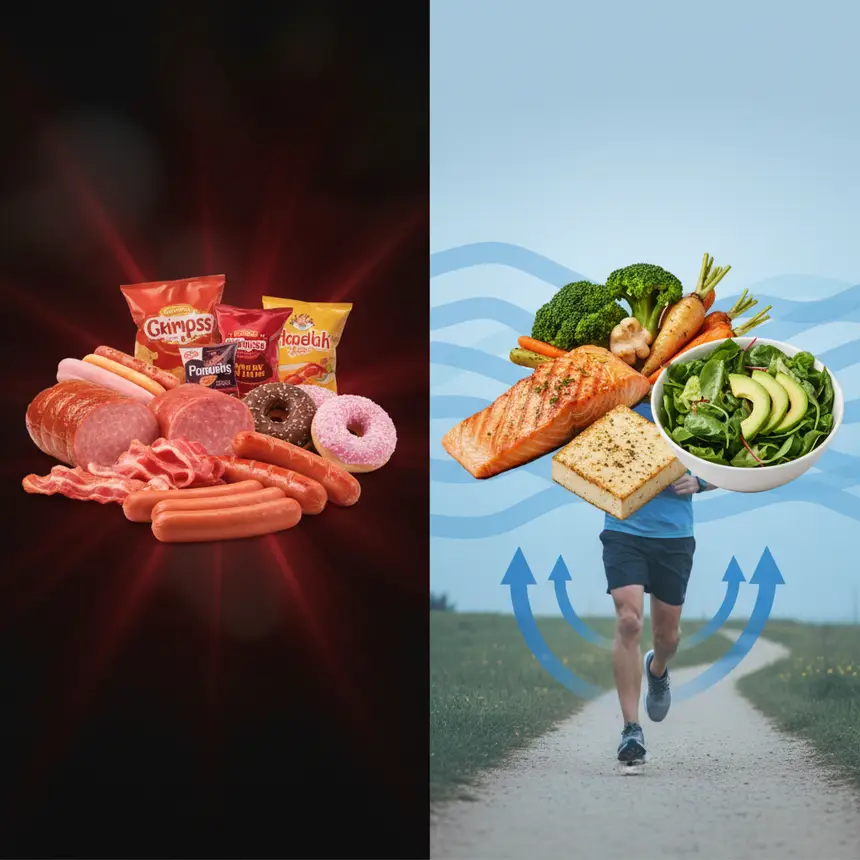
- Reducing Saturated Fats: Foods rich in saturated fats, such as processed meats and fatty cuts, should be consumed sparingly. Prioritize lean protein sources like grilled fish or skinless poultry, and increase your consumption of fiber-rich foods like legumes, tofu, and vegetable salads. A simple step is to swap out a red meat meal for a fish-based one a few times a week.
- The Power of Aerobic Activity: Daily engagement in moderate aerobic exercise is crucial for promoting healthy blood flow and supporting cholesterol management. Aim for at least 30 minutes of activity, such as brisk walking, jogging, or cycling, at an intensity where you can talk but feel slightly out of breath. Incorporating more movement into your daily routine, like taking the stairs instead of the elevator, can be a great starting point.
- Omega-3 Fatty Acids: These essential fats, particularly DHA and EPA, are known for their role in moderating triglyceride levels in the blood and supporting healthy circulation. Research suggests that consistent intake of specific omega-3 components can lead to an average reduction of 18.3% in triglyceride levels and a decreased likelihood of cardiovascular health issues. A daily intake of over 500mg of DHA+EPA is often recommended.
- Coenzyme Q10: A vital coenzyme for cellular energy production and a powerful antioxidant. Its natural production decreases with age, making supplementation potentially beneficial. Studies indicate that CoQ10 intake may help protect cells from oxidative stress and contribute to blood pressure regulation. For individuals with elevated systolic blood pressure, one study observed an average reduction of 17.8 mmHg.
- Red Yeast Rice Extract: Derived from fermented rice, this ingredient is recognized for its potential to positively influence blood cholesterol levels. Reports indicate that it may contribute to reductions in total cholesterol, LDL cholesterol, and even blood pressure.

Sustained Effort for Healthy Vessels and a Vibrant Life
The health of our blood vessels forms the fundamental basis of our overall well-being, directly impacting our long-term quality of life. Heeding the "silent signal" of elevated cholesterol levels and actively engaging in management efforts is paramount. This journey begins with making informed dietary choices, committing to regular physical activity, and, where appropriate, integrating specific nutrients beneficial for vascular health. These endeavors are akin to a marathon, not a sprint. While initially challenging, consistent small steps accumulate into significant positive changes. You’ll eventually notice a lighter body, increased vitality, and the profound satisfaction of knowing you are actively nurturing your vascular health. Your blood vessels respond to your dedication. Start your journey toward robust vascular health today.
Frequently Asked Questions
Q. Why is regular cholesterol level checking important?
A. High cholesterol often has no early symptoms, making it hard to detect without testing. Regular blood tests help you monitor your levels, identify potential cardiovascular risks early, and take appropriate steps like lifestyle changes or consulting a healthcare professional.
Q. What's the most crucial aspect of dietary management for cholesterol?
A. The most vital step is reducing your intake of saturated and trans fats. Focus on incorporating lean protein sources like fish and chicken, plant-based proteins, and plenty of fiber-rich foods such as vegetables and fruits into your daily meals.
Q. How often and what type of exercise is recommended?
A. Aim for at least 30 minutes of moderate-intensity aerobic exercise, five or more times a week. Activities like brisk walking, jogging, swimming, or cycling are excellent. Maintaining an intensity where you're slightly out of breath is effective for improving circulation and managing cholesterol.
Q. Can specific nutrients really help with vascular health?
A. Yes, certain nutrients like omega-3 fatty acids, Coenzyme Q10, and red yeast rice extract have shown in studies to contribute to vascular health through various mechanisms, including triglyceride regulation, blood pressure management, and antioxidant effects. However, nutrient intake should complement a healthy diet and exercise, and it's best to consult a professional to determine what's right for you.
Q. What is the most important mindset when starting cholesterol management?
A. Consistency and patience are key. Lifestyle changes don't usually yield immediate dramatic results, but small, consistent efforts build up to significant improvements over time. Approaching it with a positive attitude and persistent dedication is crucial for success.