Vitamin C is vital, but getting the dosage wrong can lead to discomfort. Learn how to optimize your Vitamin C intake to avoid side effects and naturally boost your vitality.

The Unexpected Side of Vitamin C: When 'More Is Better' Goes Wrong
It’s a common scenario: you want to boost your health, so you grab a high-dose Vitamin C supplement, thinking it’s an easy win. You take it consistently, believing that since it’s good for you, more must be better. But after a few weeks, you start noticing unsettling changes—a persistent rumbling in your stomach, frequent trips to the restroom, and even some skin breakouts. This wasn't the glowing vitality you expected. It's a moment of realization: could this essential nutrient actually be causing discomfort? Many of us have been there, learning the hard way that even for beneficial vitamins, a thoughtful approach to dosage is crucial.
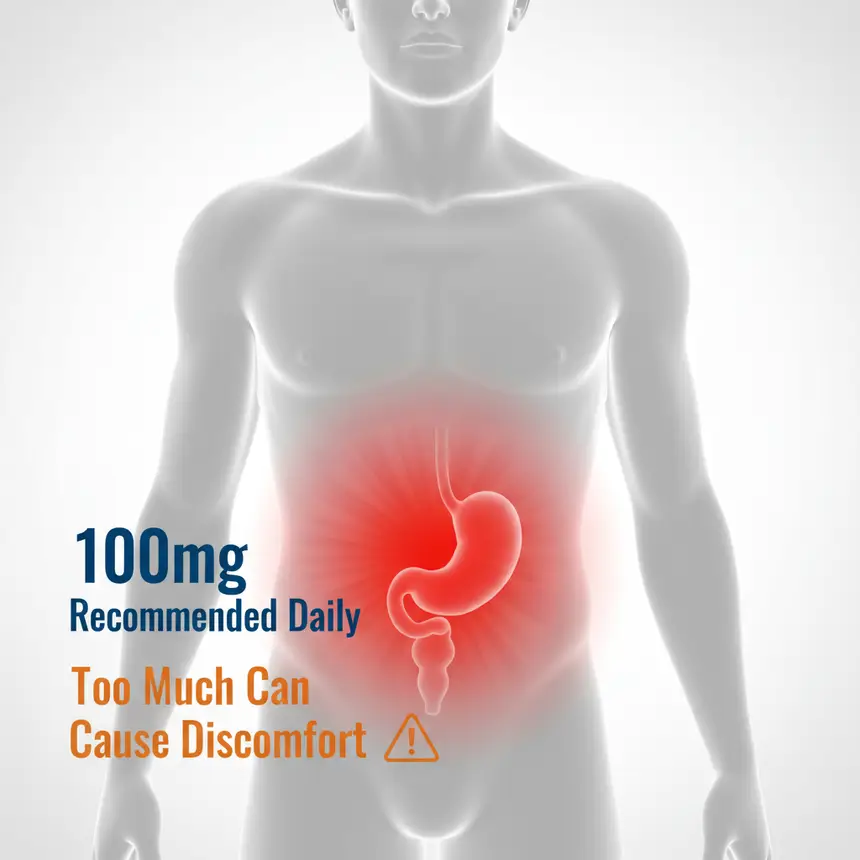
Unveiling the Hidden Truth: Why Too Much Vitamin C Can Be a Problem
Vitamin C is water-soluble, meaning your body typically excretes what it doesn't use. This often leads to a relaxed attitude toward dosage, with many assuming there's no harm in taking extra. However, the recommended daily allowance (RDA) for adults is quite modest, around 75-90mg. Exceeding this significantly can lead to various forms of discomfort. Your digestive system might rebel with symptoms like heartburn, bloating, or diarrhea. For those with sensitive skin, it could even trigger unexpected breakouts. While generally safe, consistently taking very high doses can potentially put a strain on your kidneys over time. This illustrates why understanding your body's actual needs and sticking to an appropriate Vitamin C dosage is key to truly supporting your health.
※ This post contains affiliate links. I may earn a commission at no extra cost to you.


Navigating the Vitamin C Aisle: Smart Choices for Optimal Benefits
Choosing the right Vitamin C supplement goes beyond just picking the highest milligram count. First, aim for a balanced dose that supports your daily needs, perhaps around 200% of the RDA (approximately 200mg), rather than an extreme 'megadose.' Second, scrutinize the ingredient list. Prioritize 'clean label' products free from unnecessary fillers like silicon dioxide, artificial flavors, colors, or sweeteners. Natural sources, such as extracts from Indian Gooseberry (also known as Amla), can offer Vitamin C alongside other beneficial antioxidants. Third, consider the manufacturer's reputation and expertise. Brands with a long history and robust quality control often ensure better raw material sourcing and production standards. Products formulated by health professionals, like experienced pharmacists, can provide a more thoughtfully balanced supplement. Finally, check for complementary ingredients, such as seaweed powder or cottonseed oil powder, which might enhance absorption or provide synergistic benefits.

Maximizing Your Vitamin C Benefits: Simple Habits for Daily Life
To truly unlock the benefits of Vitamin C, how and when you take it can make a big difference. Here are some practical tips for incorporating it effectively into your routine. First, adjust your timing. Because Vitamin C is acidic, taking it on an empty stomach can sometimes lead to discomfort or indigestion. Instead, try taking it immediately after a meal, like breakfast, to help buffer its acidity. Second, stay hydrated. As a water-soluble vitamin, drinking plenty of water alongside your supplement aids in its absorption and helps facilitate healthy metabolic processes. Third, be flexible with your intake based on your lifestyle. On days when you might have overindulged or had an extra drink, you might pay closer attention to your Vitamin C intake, or scale back if you feel any sensitivity. Lastly, consistency is paramount. Supplements typically don't offer overnight miracles. Committing to a consistent routine for at least 3-4 weeks allows your body time to respond and for you to observe any noticeable improvements.

Your Vitamin C Journey: Listening to Your Body for Lasting Wellness
Experiencing discomfort from Vitamin C was a valuable lesson for me, shifting my focus from 'more is better' to 'what's right for my body.' Instead of blindly reaching for the highest dose, I now meticulously check the Vitamin C dosage, ingredients, and the manufacturer's expertise. It's important to remember that everyone's body responds differently. What works for one person might not be ideal for another. The real takeaway is to listen to your body's signals and adjust your supplement strategy accordingly. It's not just about popping a pill; it's about engaging in a mindful dialogue with your health and making informed choices. I encourage you to embrace this journey, carefully selecting your Vitamin C, and enjoying the true vitality it can bring when taken wisely.
Frequently Asked Questions
Q. What is the recommended daily intake of Vitamin C for adults?
A. For most adults, the recommended daily allowance (RDA) is around 90 mg for men and 75 mg for women. However, individual needs can vary based on lifestyle and health conditions.
Q. Can taking too much Vitamin C cause side effects?
A. Although Vitamin C is water-soluble, excessive intake can lead to digestive upset, diarrhea, and in some cases, an increased risk of kidney stones. It's always best to stick to recommended dosages.
Q. What's the best time to take a Vitamin C supplement?
A. To minimize potential stomach discomfort, it's generally recommended to take Vitamin C supplements with food, ideally after a meal, and with a full glass of water.
Q. What should I look for when choosing a Vitamin C supplement?
A. Key factors include the dosage, the absence of unnecessary additives ('clean label'), the quality and source of the raw ingredients, and the reputation of the manufacturer.
Q. How long does it take to notice the benefits of Vitamin C supplementation?
A. The effects of Vitamin C can vary from person to person. Generally, consistent intake over several weeks, often 3 to 4 weeks, is needed before noticeable changes in overall well-being may be observed.