The foods you eat daily play a significant role in your gum health. Discover smart dietary strategies for a healthy mouth, what foods to limit, and how to protect your oral hygiene.

That Morning Coffee: What's It Really Doing to Your Gums?
Many of us start our day with a warm cup of coffee or a sweet treat, habits that offer a welcome burst of energy in our busy lives. But have you ever stopped to consider what these seemingly innocent pleasures might be doing to your gum health? If you've occasionally noticed a little bleeding when you brush, or a twinge of sensitivity after eating certain foods, these could be subtle signals from your gums. The foods and drinks we consume daily have a surprisingly significant impact on our oral environment, potentially leading to long-term dental issues beyond just minor discomfort. Let's explore how our everyday eating habits influence gum health and what choices can help us maintain a vibrant smile.

Hidden Threats: Common Beverages Undermining Your Oral Health
Our diets are often filled with foods and drinks that can be detrimental to gum and tooth health. Many popular beverages, in particular, can create an acidic oral environment or stain teeth, leading to problems over time. For instance, coffee contains acidic compounds that can contribute to tooth erosion, and its tannins are well-known culprits for tooth discoloration. Similarly, refreshing carbonated drinks, including sparkling water, possess high acidity that can weaken and damage tooth enamel. Even sports drinks, often consumed for hydration, can be highly acidic (often around pH 3) before they are absorbed by the body, thus creating an acidic environment in the mouth. Brushing immediately after consuming such acidic beverages can further abrade weakened tooth surfaces, so caution is advised.
※ This post contains affiliate links. I may earn a commission at no extra cost to you.

Nourishing Your Gums: Essential Nutrients and Foods
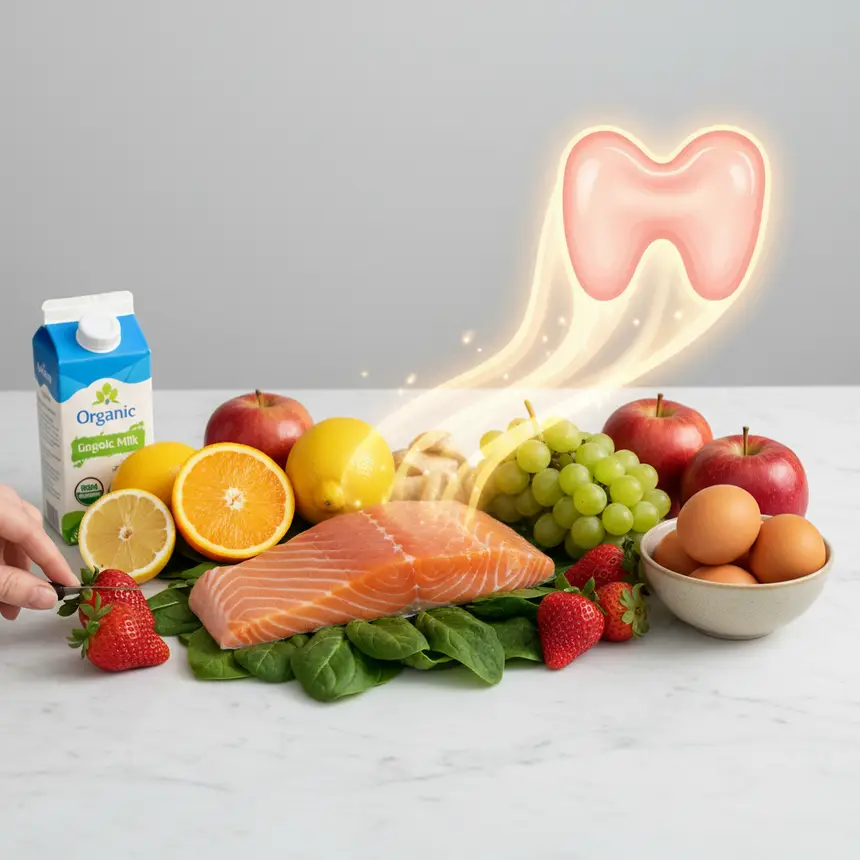
Just as important as avoiding harmful foods is incorporating beneficial nutrients into your diet to support gum health. Certain foods can strengthen your gums and help reduce inflammation. Firstly, fiber-rich vegetables contribute to natural tooth cleansing and provide a gentle gum massage during chewing. Leafy greens like spinach, for example, are also high in iron, benefiting overall bodily health. Crunchy fruits such as apples, packed with fiber and malic acid, stimulate saliva production, aiding in the mouth's natural self-cleaning process. Berries, like strawberries, rich in Vitamin C, assist in repairing damaged gum tissues, reducing inflammatory responses, and can even help prevent tooth staining. Additionally, Vitamin D, crucial for bone health, plays a vital role in maintaining strong jawbones and bolstering the immune system to fight inflammation. You can get Vitamin D from eggs, dairy products, mushrooms, and sunlight exposure. Lastly, omega-3 fatty acids, abundant in fish like salmon, offer powerful anti-inflammatory properties that can be beneficial for managing gum inflammation. Strive for a balanced diet rich in these nutrients to keep your gums healthy.

Practical Habits for a Healthier Mouth
Now that we know which foods are good and bad for our gums, let's look at how to apply this knowledge to your daily eating habits. - After consuming acidic beverages, instead of brushing immediately, rinse your mouth thoroughly with water to neutralize the acid. Wait at least 30 minutes before brushing to protect softened enamel. - When drinking acidic beverages like coffee or soda, using a straw can help minimize direct contact with your teeth. - Make it a habit to include fiber-rich vegetables and fruits in your daily meals. Munching on crisp apples or carrot sticks as a dessert or snack is an excellent strategy. - To ensure adequate Vitamin D intake, consider spending some time outdoors in the sun or choosing foods fortified with Vitamin D. Even small shifts in your daily routine can significantly improve the health of your gums and teeth. Start today by implementing these smart dietary practices and maintain your radiant smile.

Small Changes, Big Impact: Start Your Journey Today
We all desire to maintain healthy gums and teeth for as long as possible. This goal isn't about strictly avoiding certain foods, but rather understanding which foods benefit or harm your gums and making informed choices. If cutting out coffee or soda entirely feels daunting, simply being more diligent with oral care after consumption, as suggested, can lead to positive changes. The key is to harmonize a balanced diet with proper oral hygiene practices. Consider what small adjustments you can make to your diet starting today and actively work towards fostering a healthier oral environment. Gum health is closely linked to overall well-being, so the small efforts you make now will positively impact your entire life.
Frequently Asked Questions
Q. What are some good snack options for gum health?
A. Opt for crunchy, fiber-rich fruits like apples and pears, or vegetables like carrots and celery. Unsweetened yogurt and nuts are also great choices as they stimulate saliva flow and help naturally clean your teeth.
Q. Why shouldn't I brush my teeth immediately after drinking acidic beverages?
A. Acidic drinks temporarily soften your tooth enamel. Brushing immediately afterward can cause further erosion and damage to this weakened surface. It's best to rinse your mouth with water and wait at least 30 minutes before brushing.
Q. Besides diet, what else can I do to maintain strong, healthy gums?
A. Beyond a healthy diet, consistent oral hygiene is crucial. This includes brushing twice daily with fluoride toothpaste, flossing daily to remove plaque between teeth, and regular dental check-ups and professional cleanings.