Is your beloved dog limping after a walk? It might be more than just fatigue – it could be canine muscle soreness. Learn to identify the signs of dog muscle pain caused by increased activity and discover effective home care methods.

Is Your Dog's Limp a Common Post-Activity Phenomenon?
It's a familiar scene for many dog owners: after an especially vigorous play session or an extra-long walk, your beloved canine companion might seem a bit off the next day. A slight limp or a hesitant gait often leads us to wonder if they're just tired. However, this discomfort can frequently signal more than simple fatigue; it might be an indication of 'canine muscle soreness,' a condition where microscopic strains accumulate in the muscles. Much like humans experience stiffness after an intense workout, dogs can also show similar responses. This is particularly noticeable after activities like an unusually extended hike, navigating steep terrains, or engaging in intense, unaccustomed play. For your dog's overall well-being, it's crucial to recognize and address these subtle changes in their movement.
Recognizing the Signs of Dog Muscle Soreness and How to Aid Recovery at Home
Canine muscle soreness exhibits distinct characteristics that differentiate it from general tiredness. If your dog is experiencing muscle pain, they might react sensitively when a specific area is touched, display discomfort only during movement, and show some improvement after a period of rest. Typically, these symptoms tend to resolve gradually within one or two days. However, not all limping indicates muscle soreness. Should your dog completely refuse to use a particular limb, if swelling or warmth accompanies the affected area, or if they appear uncomfortable even at rest, it's vital to seek professional veterinary advice immediately, as these could be signs of a more serious underlying issue.
To help alleviate your dog's muscle discomfort at home, consider these simple yet effective methods:
To help alleviate your dog's muscle discomfort at home, consider these simple yet effective methods:
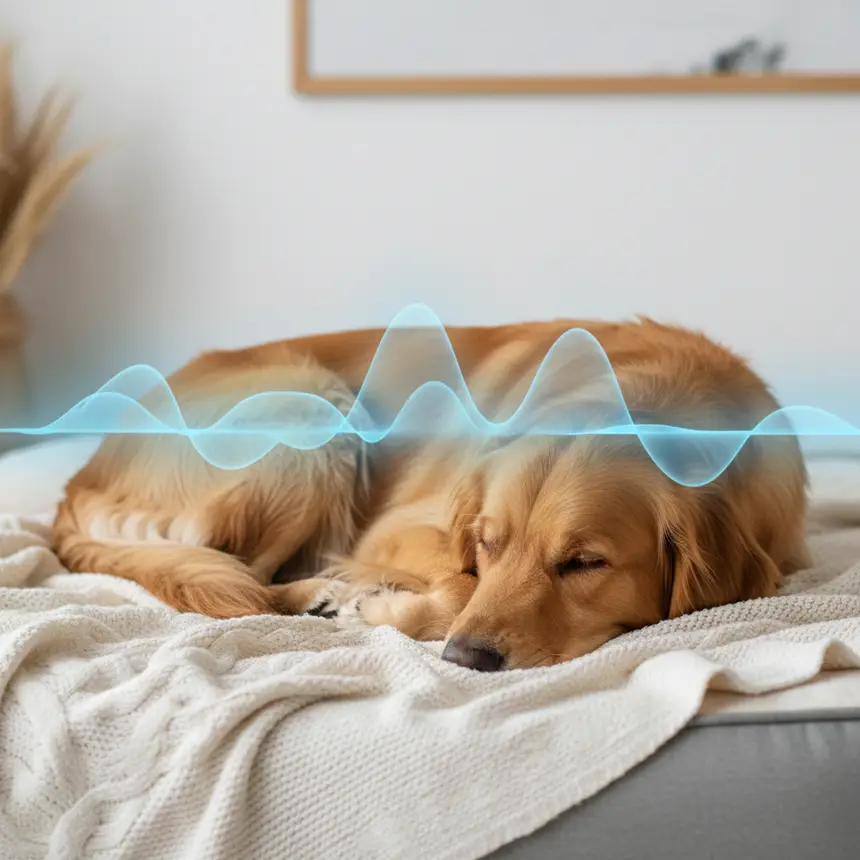
- Provide a warm, comfortable resting space to encourage muscle relaxation and allow for peaceful recovery.
- Limit strenuous activities temporarily to prevent further strain on the affected muscles.
- Gentle massages or light, passive stretching can improve circulation and reduce muscle tension. Always proceed with caution; if your dog shows any signs of discomfort or resistance, do not force the movement.
※ This post contains affiliate links. I may earn a commission at no extra cost to you.

Proactive Post-Activity Management and Prevention Strategies for a Healthy Canine Life
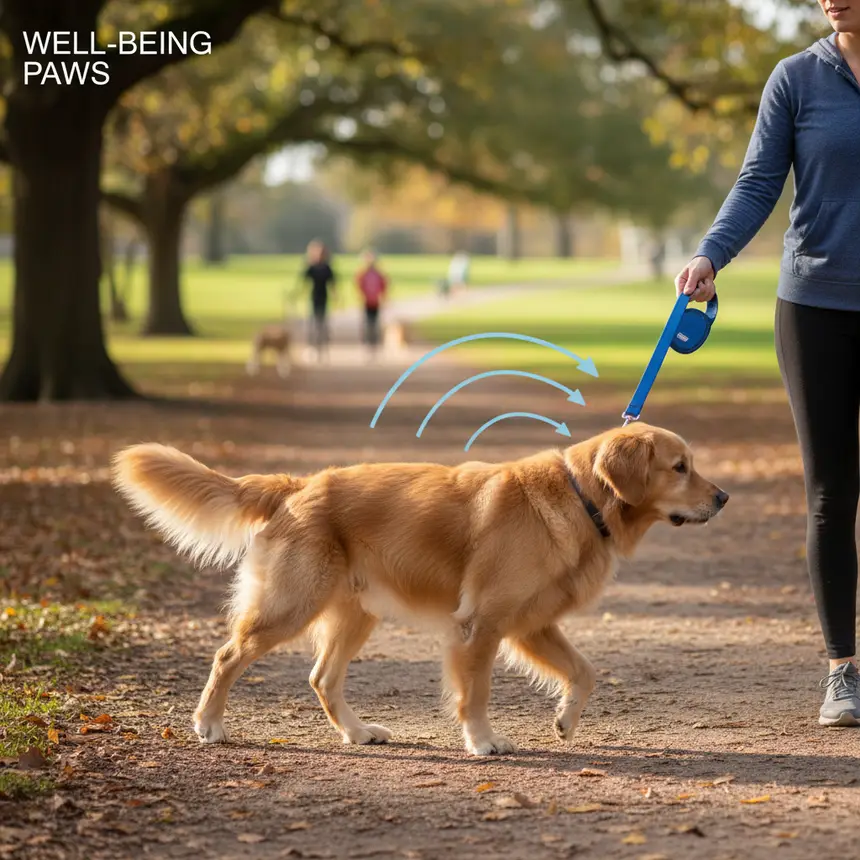
Preventing muscle soreness in dogs is largely achievable through mindful, proactive management. The most crucial step is to gradually increase your dog's activity levels. If your dog has had an especially active day, closely monitor their condition the following day and adjust subsequent activities to prevent overexertion. Incorporating brief warm-up and cool-down routines before and after walks or play can significantly reduce muscle strain. For instance, after a long walk, a leisurely 5-10 minute stroll can help gradually relax their muscles. Regular veterinary check-ups are also essential for assessing your dog's physical condition and tailoring an appropriate activity plan for their long-term health.
Ensuring your beloved companion leads a healthy and happy life is a primary responsibility for any dog owner. Being attentive to subtle changes post-activity and providing adequate rest and care can minimize unnecessary discomfort. If severe symptoms as mentioned earlier arise, or if your dog's condition doesn't improve despite home care, do not hesitate to consult your veterinarian. Prompt professional diagnosis and treatment are the most reliable ways to safeguard your dog's health.
Ensuring your beloved companion leads a healthy and happy life is a primary responsibility for any dog owner. Being attentive to subtle changes post-activity and providing adequate rest and care can minimize unnecessary discomfort. If severe symptoms as mentioned earlier arise, or if your dog's condition doesn't improve despite home care, do not hesitate to consult your veterinarian. Prompt professional diagnosis and treatment are the most reliable ways to safeguard your dog's health.
Frequently Asked Questions
Q. My dog is limping after a walk. Is it just fatigue or muscle soreness?
A. While fatigue typically presents as overall low energy, muscle soreness involves localized pain and difficulty moving a specific area. If your dog is sensitive to touch or improves with rest, it's likely muscle soreness. However, if symptoms persist or worsen, a vet visit is recommended.
Q. How long does muscle soreness usually last in dogs?
A. Mild muscle soreness often resolves naturally within 1-2 days. If symptoms don't improve after a few days or seem to worsen, there might be another underlying issue, and a visit to the veterinarian is advised.
Q. What can I do at home to help my dog with muscle soreness?
A. Provide a warm, comfortable resting place and limit excessive movement in the affected area. Gentle massage or light stretching can also be beneficial, but ensure your dog doesn't show any signs of discomfort during these actions.
Q. What precautions should I take during walks to prevent muscle soreness?
A. Avoid sudden increases in activity levels. Incorporate brief warm-up and cool-down periods before and after walks. Also, ensure your dog gets sufficient rest after any strenuous activity.
Q. What are the serious symptoms related to dog muscle soreness that require a vet visit?
A. You should seek immediate veterinary attention if your dog cannot use a limb at all, if there's swelling or warmth in the affected area, if they seem to be in pain even when resting, or if symptoms do not improve after a couple of days of home care.