Sudden big toe pain at night could be an early symptom of gout. Learn about the causes of uric acid buildup, dietary management, and lifestyle improvements to maintain healthy joints.

The Unexpected Onslaught: When Joint Pain Strikes
Have you ever woken up to an excruciating pain in your big toe, feeling as though it's been hit by lightning? This intense discomfort, often severe enough to disrupt sleep, is distinct from typical muscle soreness. If your toe joint, particularly the big one, becomes red, hot to the touch, and swollen, these are critical warning signs from your body. The sensation can be likened to sharp glass shards piercing your joint, making everyday activities like walking or wearing shoes incredibly challenging. Such episodes often begin abruptly, lasting for several days before gradually subsiding. However, if these symptoms recur, they shouldn't be dismissed. Instead, understanding the underlying cause and actively managing it becomes paramount. Our joints are fundamental to daily movement, so paying close attention to these signals and responding proactively is essential for long-term well-being.
Unraveling the Mystery: Uric Acid and Its Threat to Joints
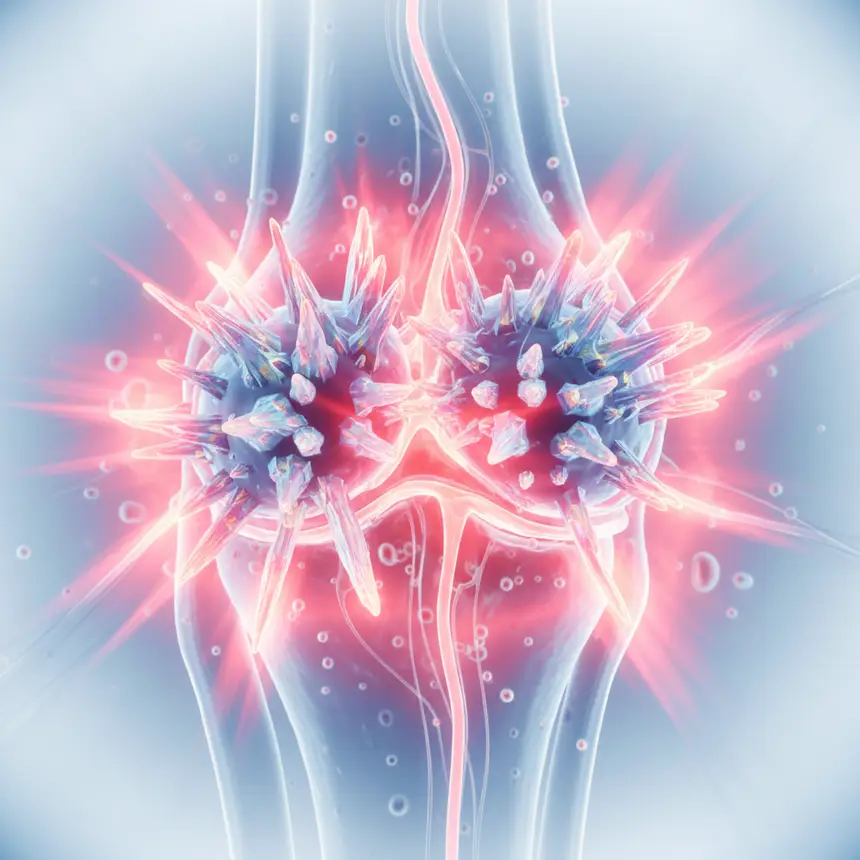
One of the primary culprits behind such severe joint pain is a condition known as 'gout.' Gout occurs when uric acid levels in the body become abnormally high, leading to the formation of uric acid crystals that deposit in the joints, triggering inflammation and intense pain. Uric acid is a natural byproduct of the body's metabolism of purines, substances found in our cells and many foods. Elevated uric acid levels typically stem from two main issues: either consuming too many purine-rich foods, which increases uric acid production, or the kidneys not efficiently eliminating uric acid, causing it to build up in the system. This condition is more commonly observed in men over 40, though women can also experience an increased incidence after menopause. Furthermore, individuals with existing health conditions such as obesity, high blood pressure, kidney disease, or diabetes face a higher risk. Certain dietary items like red meats, specific types of seafood, and alcoholic beverages, especially beer, are notably high in purines and can significantly elevate uric acid levels.
※ This post contains affiliate links. I may earn a commission at no extra cost to you.


Empowering Your Health: Smart Diet and Lifestyle Choices
Managing and preventing joint pain caused by conditions like gout largely depends on lifestyle adjustments, particularly dietary choices. The key strategy involves controlling purine intake, the main precursor to uric acid production. A balanced diet rich in low-purine foods such as vegetables, fruits, whole grains, and eggs can significantly aid in managing uric acid levels. Foods high in fiber are especially beneficial as they can help promote the excretion of uric acid from the body. Interestingly, research suggests that certain fruits, like cherries, may help lower uric acid levels and potentially reduce the frequency of flare-ups. Additionally, low-fat dairy products, such as milk and yogurt, have been shown to have a positive impact on uric acid management. Adequate hydration is also a simple yet highly effective strategy; drinking at least two liters of water throughout the day helps dilute uric acid and facilitates its efficient removal by the kidneys. Embracing these dietary modifications and ensuring sufficient fluid intake is a crucial first step towards safeguarding your joint health.

Sustained Effort for Long-Term Joint Comfort
Gout, often characterized by sudden, severe pain, has a tendency to recur once it has manifested. Therefore, continuous attention and consistent practice of healthy habits are essential for maintaining joint health, not just a one-time fix. Beyond the low-purine diet and ample hydration, incorporating regular physical activity to maintain a healthy weight is also highly beneficial for uric acid control, as obesity is a significant risk factor for gout. When an acute flare-up occurs, it's wise to rest and then, once symptoms subside, to actively commit to improving your lifestyle. Start with small, manageable changes, like monitoring your daily water intake and making healthier meal choices. For instance, consider opting for lean protein sources like chicken breast or plant-based proteins instead of red meat for one meal, and choosing cherries or low-fat dairy as snacks. Gout is a condition that, with proper management, allows for a comfortable, pain-free daily life. Protect your valuable joints and reclaim a vibrant, active lifestyle through healthy eating and consistent habits. Consulting a healthcare professional for a personalized management plan is always a recommended course of action.
Frequently Asked Questions
Q. Who is typically affected by gout?
A. Gout is most common in men over 40, and in women, the incidence tends to increase after menopause. Individuals with underlying conditions like obesity, high blood pressure, kidney disease, or diabetes also face a higher risk.
Q. How long do gout attacks usually last?
A. An acute gout attack can typically last anywhere from a few hours to several days. Without proper management, the frequency and intensity of these attacks may increase over time, and the condition can spread to other joints.
Q. What kind of diet is recommended for managing gout?
A. It's best to consume foods low in purines, such as vegetables, fruits, whole grains, and eggs. Cherries, low-fat milk, and yogurt are known to have a positive impact on uric acid levels. It's also crucial to drink over 2 liters of water daily to help excrete uric acid.