The liver is a vital organ, often silently enduring damage. Discover practical strategies, including beneficial foods and healthy lifestyle adjustments, to protect your liver health effectively.

The Silent Organ: Understanding Your Liver's Critical Role
The liver, one of the largest and most vital organs in our body, is often referred to as the 'silent organ.' This moniker stems from its remarkable ability to function even when significantly damaged, often showing no obvious symptoms until conditions become severe. Your liver acts as the body's central processing plant, performing over 500 essential functions:
When the liver's function is compromised, the body's delicate balance can be disrupted, leading to serious issues like jaundice, fluid retention (ascites), and liver failure. Therefore, even in the absence of clear symptoms, it's crucial to proactively care for your liver health and consider regular check-ups to monitor its condition.
- Detoxification: It breaks down and eliminates harmful substances like alcohol, medications, and environmental toxins.
- Metabolism: It processes carbohydrates, proteins, and fats, converting them into energy and storing essential nutrients.
- Synthesis: It produces crucial proteins, such as those needed for blood clotting and albumin, vital for life.
- Storage: It stores glucose (as glycogen), vitamins, and iron, releasing them as the body requires.
When the liver's function is compromised, the body's delicate balance can be disrupted, leading to serious issues like jaundice, fluid retention (ascites), and liver failure. Therefore, even in the absence of clear symptoms, it's crucial to proactively care for your liver health and consider regular check-ups to monitor its condition.

Modern Lifestyle Habits Undermining Liver Health
Numerous factors in our daily lives can place a significant burden on the liver, especially given contemporary lifestyles. Understanding and addressing these major threats to liver health is paramount:
It's estimated that a significant portion of the adult population, potentially one in four, may have fatty liver disease, often due to poor dietary habits and lack of physical activity. Without addressing these lifestyle patterns, the liver's capacity to regenerate and maintain health will be progressively strained.
- Alcohol Consumption: Excessive alcohol intake directly damages liver cells, leading to alcoholic fatty liver disease, which can progress to cirrhosis and, in severe cases, liver cancer.
- Processed Foods and Sugary Drinks: Foods high in sugar and high-fructose corn syrup, commonly found in sodas, candies, and fast food, can cause fat to accumulate directly in the liver, contributing significantly to non-alcoholic fatty liver disease.
- Unregulated Supplements and Herbal Remedies: Taking unverified or excessive amounts of supplements and traditional herbal remedies without professional guidance can potentially overload the liver, leading to toxicity and damage.
It's estimated that a significant portion of the adult population, potentially one in four, may have fatty liver disease, often due to poor dietary habits and lack of physical activity. Without addressing these lifestyle patterns, the liver's capacity to regenerate and maintain health will be progressively strained.
※ This post contains affiliate links. I may earn a commission at no extra cost to you.

Strategic Dietary and Lifestyle Changes for Liver Wellness
Restoring and maintaining liver health requires a commitment to dietary improvements and a regular, active lifestyle. Incorporating the following foods and making specific lifestyle adjustments are crucial steps:
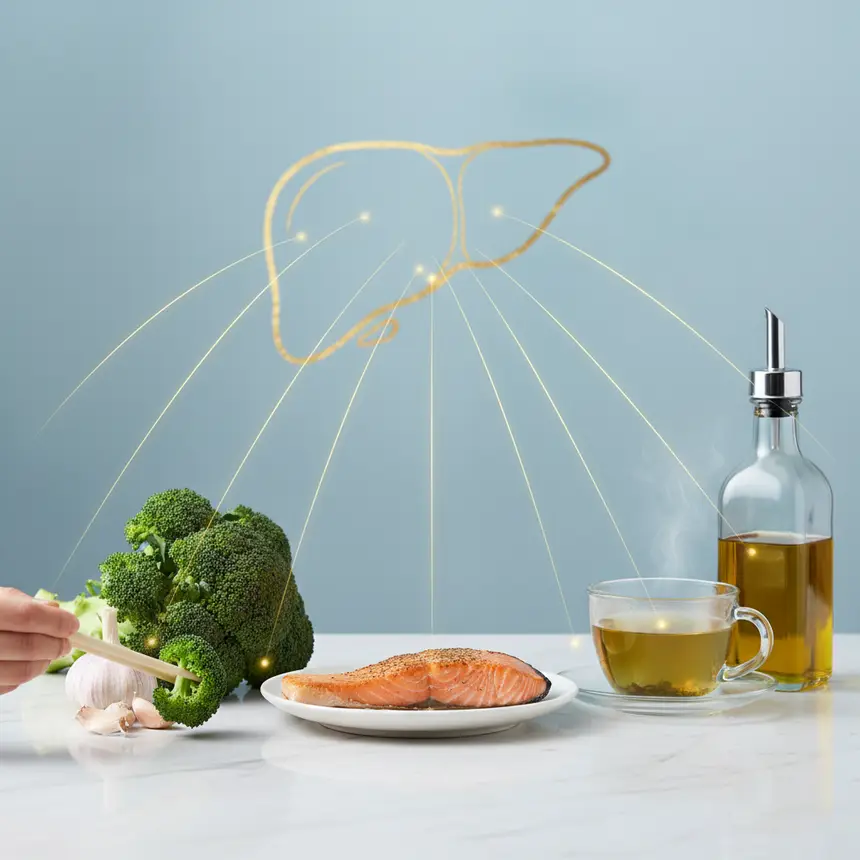
1. Cruciferous Vegetables: Foods like broccoli and cabbage are rich in sulforaphane, which helps activate the liver's detoxification enzymes and reduce oxidative stress. Regular consumption, perhaps in salads or as part of meals, is beneficial.
2. Garlic: Abundant in allicin and selenium, garlic supports the liver's detoxification processes and may help reduce fat accumulation within the liver. Aim for one to two cloves daily.
3. Omega-3 Rich Fish: Fatty fish such as salmon, mackerel, and sardines contain omega-3 fatty acids that can help reduce liver inflammation and lower triglyceride levels, aiding in fatty liver improvement. Consuming them two to three times per week is recommended.
4. Green Tea: The catechins in green tea offer protective benefits to liver cells and may help improve fatty liver conditions. Research suggests that consistently drinking five or more cups daily has been associated with a lower risk of liver disease.
5. Olive Oil: Extra virgin olive oil, rich in polyphenols, can reduce oxidative stress in the liver and enhance insulin sensitivity, contributing to fatty liver prevention.
6. Black Coffee: Studies indicate that drinking two to three cups of plain black coffee daily (without sugar or cream) may reduce the risk of cirrhosis and liver cancer. However, moderation in caffeine intake is always advised.
Beyond incorporating these beneficial foods, significantly reducing your intake of refined carbohydrates, such as white rice, white bread, and added sugars, is also paramount for supporting liver health.
1. Cruciferous Vegetables: Foods like broccoli and cabbage are rich in sulforaphane, which helps activate the liver's detoxification enzymes and reduce oxidative stress. Regular consumption, perhaps in salads or as part of meals, is beneficial.
2. Garlic: Abundant in allicin and selenium, garlic supports the liver's detoxification processes and may help reduce fat accumulation within the liver. Aim for one to two cloves daily.
3. Omega-3 Rich Fish: Fatty fish such as salmon, mackerel, and sardines contain omega-3 fatty acids that can help reduce liver inflammation and lower triglyceride levels, aiding in fatty liver improvement. Consuming them two to three times per week is recommended.
4. Green Tea: The catechins in green tea offer protective benefits to liver cells and may help improve fatty liver conditions. Research suggests that consistently drinking five or more cups daily has been associated with a lower risk of liver disease.
5. Olive Oil: Extra virgin olive oil, rich in polyphenols, can reduce oxidative stress in the liver and enhance insulin sensitivity, contributing to fatty liver prevention.
6. Black Coffee: Studies indicate that drinking two to three cups of plain black coffee daily (without sugar or cream) may reduce the risk of cirrhosis and liver cancer. However, moderation in caffeine intake is always advised.
Beyond incorporating these beneficial foods, significantly reducing your intake of refined carbohydrates, such as white rice, white bread, and added sugars, is also paramount for supporting liver health.

Managing Fatty Liver and Fostering Liver Regeneration
The liver possesses a remarkable capacity for regeneration. By actively managing your health, you can significantly improve its condition. If you've received a fatty liver diagnosis, implementing these core management strategies is highly recommended:
Your liver is a silent, hardworking partner in your overall health. By embracing liver-friendly foods, consistent exercise, and a healthy lifestyle starting today, you can protect this vital organ and enjoy a more energetic life. Begin your journey toward a healthier liver now!
- Weight Management: Losing just 5-10% of your body weight can lead to a significant reduction in liver fat. Combining dietary adjustments with regular physical activity is key to achieving and maintaining a healthy weight.
- Consistent Physical Activity: Aim for at least 30 minutes of moderate-intensity aerobic exercise most days of the week, totaling 150 minutes or more weekly. Choose activities you enjoy, such as brisk walking, jogging, or swimming, to ensure consistency.
- Supportive Nutrients: While compounds like silymarin (found in milk thistle) have shown some promise in protecting liver cells in certain studies, it's crucial to understand they are supportive aids, not standalone solutions or 'cures' for fatty liver. They are best utilized as a complement to a healthy diet and active lifestyle.
Your liver is a silent, hardworking partner in your overall health. By embracing liver-friendly foods, consistent exercise, and a healthy lifestyle starting today, you can protect this vital organ and enjoy a more energetic life. Begin your journey toward a healthier liver now!
Frequently Asked Questions
Q. What's the best first step to improve liver health through diet?
A. Begin by reducing your intake of highly processed foods and sugary beverages. Focus on increasing whole, natural foods like fruits and vegetables. Limiting alcohol consumption is also a critical initial step for liver health.
Q. If I've been diagnosed with fatty liver, is weight loss absolutely necessary?
A. Yes, it is highly recommended. Losing even 5-10% of your body weight can significantly reduce fat accumulation in the liver, making it a very effective strategy for improving fatty liver conditions. This is best achieved with a combination of diet and exercise.
Q. Are supplements like Milk Thistle truly beneficial for liver health?
A. While silymarin, the active compound in Milk Thistle, has shown some liver cell protection in certain studies, it is not a cure for fatty liver itself. It should be viewed as a supportive aid to complement a healthy diet and regular exercise, rather than a standalone solution.
Q. Is it true that coffee can be good for your liver?
A. Yes, research suggests that consuming 2-3 cups of plain, black coffee daily (without added sugar or cream) may be associated with a reduced risk of certain severe liver conditions like cirrhosis and liver cancer. However, excessive caffeine intake should be avoided.