Understand the risks of canine hypothermia, its symptoms, and crucial first aid. Learn essential daily prevention routines and important precautions to keep your dog warm and healthy during colder months. Essential information for every pet owner.

The Silent Threat: Understanding Hypothermia in Dogs
Have you ever noticed your beloved dog shivering uncontrollably or seeming unusually lethargic? Hypothermia, a condition where a dog's body temperature drops dangerously low, isn't just a risk in the coldest months; it can occur under various circumstances. Unlike humans, dogs have a higher normal body temperature, typically ranging from 100.5°F to 102.5°F (38°C to 39.5°C), which means they can lose heat more rapidly. When their temperature falls below this healthy range, it can quickly escalate into a life-threatening emergency. As pet owners, recognizing the signs and knowing how to respond swiftly are crucial steps to safeguard our furry companions.
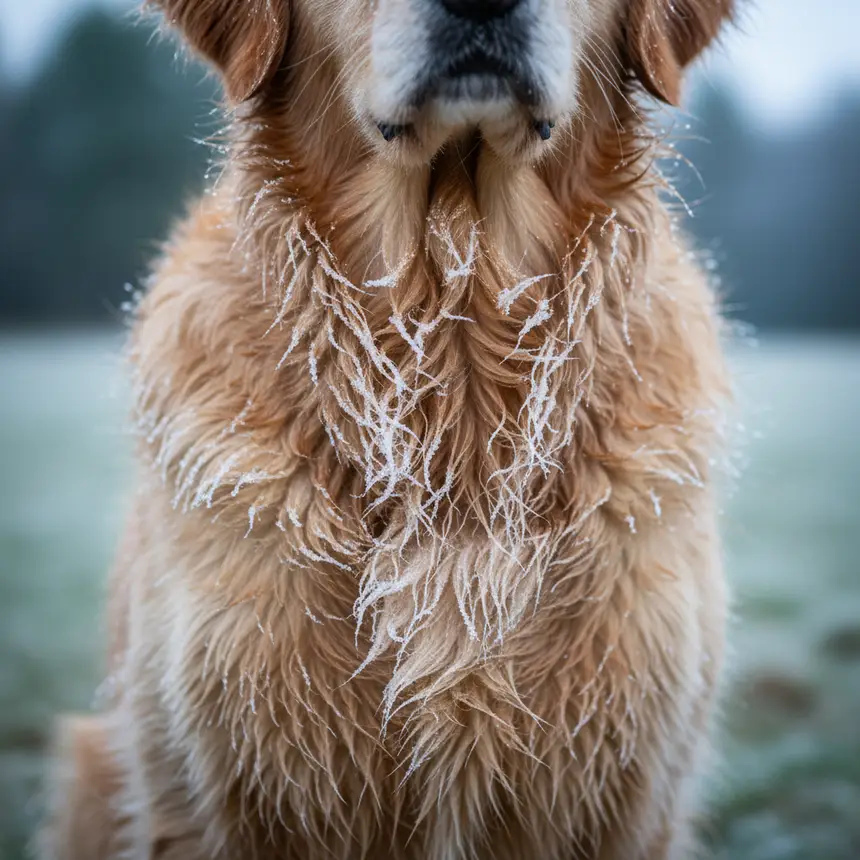
Why Does Their Temperature Drop? Key Causes of Canine Hypothermia
Several factors can contribute to a dog's body temperature plummeting, making it essential for pet parents to be aware and prepared.
- Prolonged Exposure to Cold: Spending too much time outdoors in freezing temperatures, even for a walk, can lead to a rapid decrease in core body temperature.
- Contact with Cold Water: Falling into cold water or having wet fur that isn't dried properly can accelerate heat loss through evaporation. This risk is particularly high after baths if their coat isn't thoroughly dried.
- Internal Health Factors: Conditions like low blood sugar can deplete the energy needed to maintain body warmth. Additionally, dogs recovering from anesthesia after surgery or procedures may temporarily have impaired thermoregulation.
- High-Risk Groups: Puppies under three months old have underdeveloped temperature regulation systems, while senior dogs often have slower metabolisms, making them more susceptible to cold. Dogs with weakened immune systems or underlying health issues are also at increased risk.
※ This post contains affiliate links. I may earn a commission at no extra cost to you.

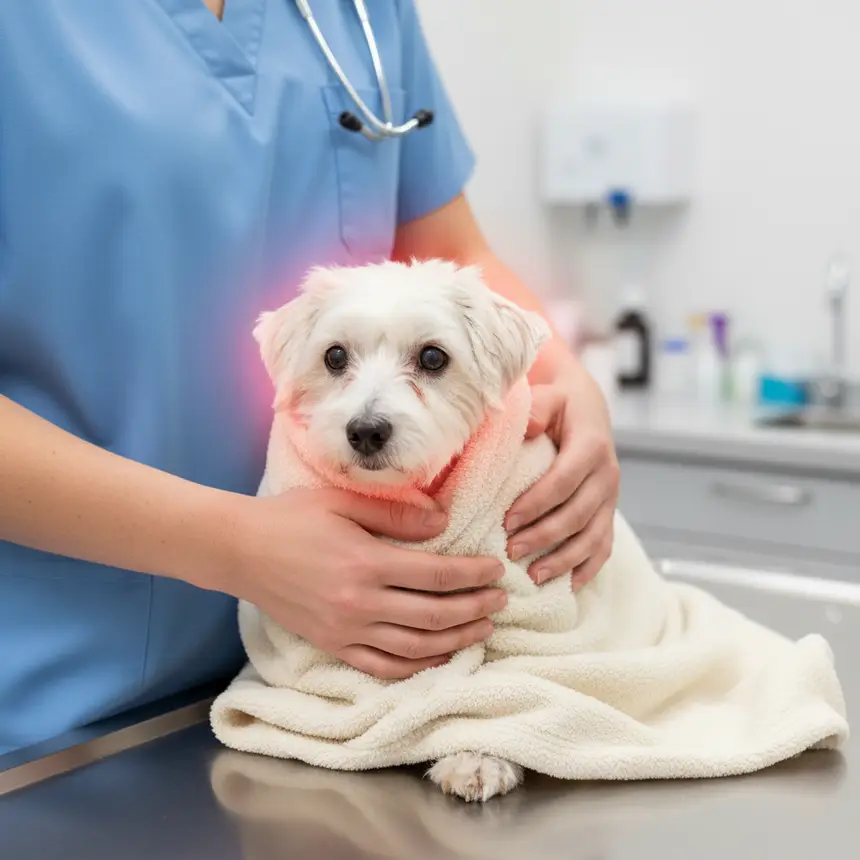
Spotting the Danger: Hypothermia Stages and Emergency First Aid
Canine hypothermia manifests with varying symptoms depending on its severity, and prompt, accurate action is paramount. Understanding the stages is key:
1. Move to a Warm Location Immediately: Take your dog to a warm, draft-free indoor space, ideally on a bed or sofa rather than a cold floor.
2. Provide Warmth: Wrap your dog in dry, warm blankets or towels, focusing on the armpits, chest, and abdomen. You can also place towels warmed with lukewarm water around them.
3. Gentle Drying: If their fur is wet, use a hairdryer on the lowest heat setting, held at a safe distance, to gently dry them.
4. Hydration and Energy: If your dog is conscious and can swallow, offer small amounts of warm water or glucose syrup to help replenish energy reserves. (Never force-feed!)
- Mild Hypothermia (98.6°F-100.4°F / 37°C-38°C): Your dog might shiver slightly or move more slowly. Often, simply moving them to a warmer environment is enough for recovery.
- Moderate Hypothermia (89.6°F-98.6°F / 32°C-37°C): Muscles may stiffen, and consciousness can become hazy. Shivering might paradoxically stop, and the dog may curl up tightly.
- Severe Hypothermia (Below 89.6°F / 32°C): Heart rate and breathing become sluggish, gums appear pale or bluish, pupils may dilate, and the dog can lose consciousness. This is a critical emergency, potentially leading to cardiac arrhythmia, coma, or even death.
1. Move to a Warm Location Immediately: Take your dog to a warm, draft-free indoor space, ideally on a bed or sofa rather than a cold floor.
2. Provide Warmth: Wrap your dog in dry, warm blankets or towels, focusing on the armpits, chest, and abdomen. You can also place towels warmed with lukewarm water around them.
3. Gentle Drying: If their fur is wet, use a hairdryer on the lowest heat setting, held at a safe distance, to gently dry them.
4. Hydration and Energy: If your dog is conscious and can swallow, offer small amounts of warm water or glucose syrup to help replenish energy reserves. (Never force-feed!)
- Do not immerse your dog in hot water or place them directly on a high-heat electric blanket, as this can cause shock.
- Avoid placing hot packs directly on their skin, which can cause burns.
- Never try to force-feed water or food to an unconscious dog, as it can lead to aspiration.
- Avoid aggressive massage or rubbing, as this can be detrimental when their body's thermoregulation is compromised.
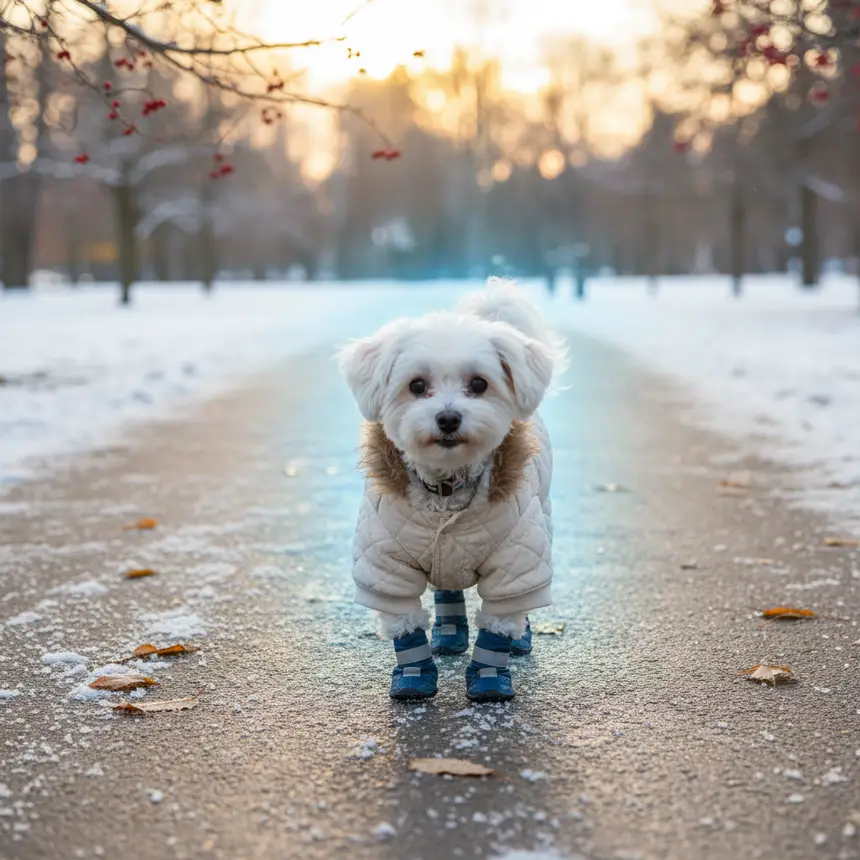
Proactive Care: Daily Routines for Preventing Canine Hypothermia
Prevention is always the best strategy when it comes to hypothermia. A little care and effort from pet owners can significantly protect their dog's health, especially during colder months.
- Enhance Warmth for Outings: When walking in freezing temperatures, always dress your dog in appropriate winter attire to minimize heat loss. Dog booties can also protect their paws from the cold.
- Adjust Walk Times: In cold weather, limit walks to 10-15 minutes and choose the warmest part of the day. Avoid prolonged outdoor activities.
- Manage Indoor Environment: Maintain your home's temperature between 68°F and 72°F (20°C-22°C) and ensure your dog's resting areas are not exposed to cold drafts. Provide plenty of warm blankets or a comfortable, elevated bed so they can stay warm whenever needed.
- Thorough Drying After Baths: After bathing, use a hairdryer to completely dry your dog's fur, down to the skin. Pay special attention to hard-to-reach areas like inside the ears, between paw pads, and under the belly. In winter, avoid taking your dog outside immediately after a bath.

Your Warm Attention: Ensuring Your Dog's Winter Well-being
Canine hypothermia is a serious condition that can threaten your dog's life, but with attentive observation and prompt action from you, it is largely preventable and manageable. Beyond just cold weather, always pay close attention to changes in your dog's condition. If they seem unusually sluggish or feel cold to the touch, check their temperature immediately and work to warm them up. While prevention is key, if hypothermia symptoms appear, remain calm. Implement the emergency first aid steps outlined above and head to your veterinarian without delay. Your consistent care and warmth are vital in ensuring your dog enjoys a healthy and happy winter season.
Frequently Asked Questions
Q. How can I tell if my dog has hypothermia?
A. Early signs include shivering or slow movement. As it worsens, their body may feel cold, muscles can stiffen, and heart rate and breathing may slow. Pale or bluish gums are also a critical sign. If you observe these changes, check their temperature immediately.
Q. What immediate first aid can I provide at home?
A. First, move your dog to a warm indoor space. Wrap them in dry blankets or towels, focusing on their armpits, chest, and belly. If their fur is wet, gently dry it with a hairdryer on a low setting. If conscious, offer small sips of warm water. However, if your dog is unconscious, do not give them anything by mouth and seek veterinary care immediately.
Q. What is a normal body temperature for dogs?
A. A healthy dog's normal body temperature typically ranges from 100.5°F to 102.5°F (38°C to 39.5°C). If their temperature drops below 98.6°F (37°C), you should suspect hypothermia and take appropriate action.
Q. How can I prevent hypothermia during winter walks?
A. Dress your dog in a warm coat for cold weather walks and limit outdoor time to 10-15 minutes. Dog booties can protect their paws. Indoors, maintain a temperature of 68°F-72°F (20°C-22°C) and ensure their resting areas are free from cold drafts, providing plenty of warm bedding.
Q. What's the best way to prevent hypothermia after a bath?
A. After bathing, thoroughly dry your dog's fur down to the skin using a hairdryer. Pay close attention to areas like inside the ears, between paw pads, and under the belly where moisture can linger. In winter, avoid taking your dog outside immediately after a bath.