If you bruise easily or have weak bones, you might lack Vitamin K. Discover the importance of Vitamin K for bone and vascular health, and explore K1 and K2-rich foods to include in your diet.

H2. Are You Missing the Subtle Health Cues?
Have you ever found yourself wondering why you bruise so easily, or why a small cut takes an unusually long time to stop bleeding? Many of us tend to dismiss these occurrences, attributing them to sensitive skin or just 'how we are.' However, these seemingly minor signals could be pointing to a deficiency in a crucial nutrient. Similarly, as we age, concerns about bone strength naturally arise. But simply increasing calcium intake might not be the complete solution. To truly maintain strong bones and healthy blood vessels, there's a vital, often-overlooked nutrient at play: Vitamin K. This nutrient plays a pivotal role in supporting several core bodily functions and is readily available in many foods we eat daily.
H2. Why is Vitamin K So Crucial for Your Body?
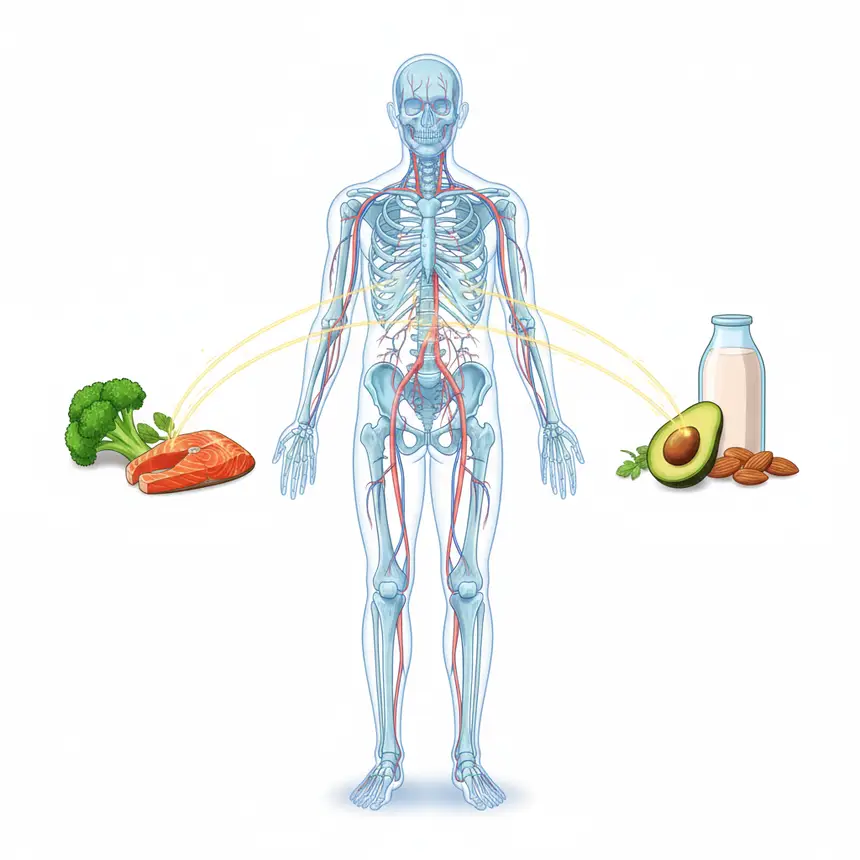
Vitamin K is far more than just a clotting agent; it’s deeply involved in maintaining our fundamental health. This essential nutrient helps activate several proteins necessary for blood coagulation, effectively aiding in stopping bleeding from minor cuts and reducing bruising. Beyond this, it plays a critical role in bone health. For osteocalcin, a protein that helps calcium bind properly to bone tissue, to become active, Vitamin K is indispensable. In essence, Vitamin K acts like a 'glue,' guiding calcium precisely to the bones rather than allowing it to accumulate in undesirable places. This action is key to maintaining bone density and building a robust skeletal structure. Furthermore, vascular health is another significant area where Vitamin K shines. It helps prevent calcium from depositing in blood vessel walls, which can lead to stiffening. This process supports vascular flexibility and promotes smooth blood flow, thereby contributing to overall cardiovascular well-being.
※ This post contains affiliate links. I may earn a commission at no extra cost to you.

H2. Abundant Sources of Vitamin K for Stronger Bones and Vessels
Vitamin K primarily comes in two forms: K1 (phylloquinone) and K2 (menaquinone). Each is found in different foods and plays distinct, yet equally important, roles in our body.
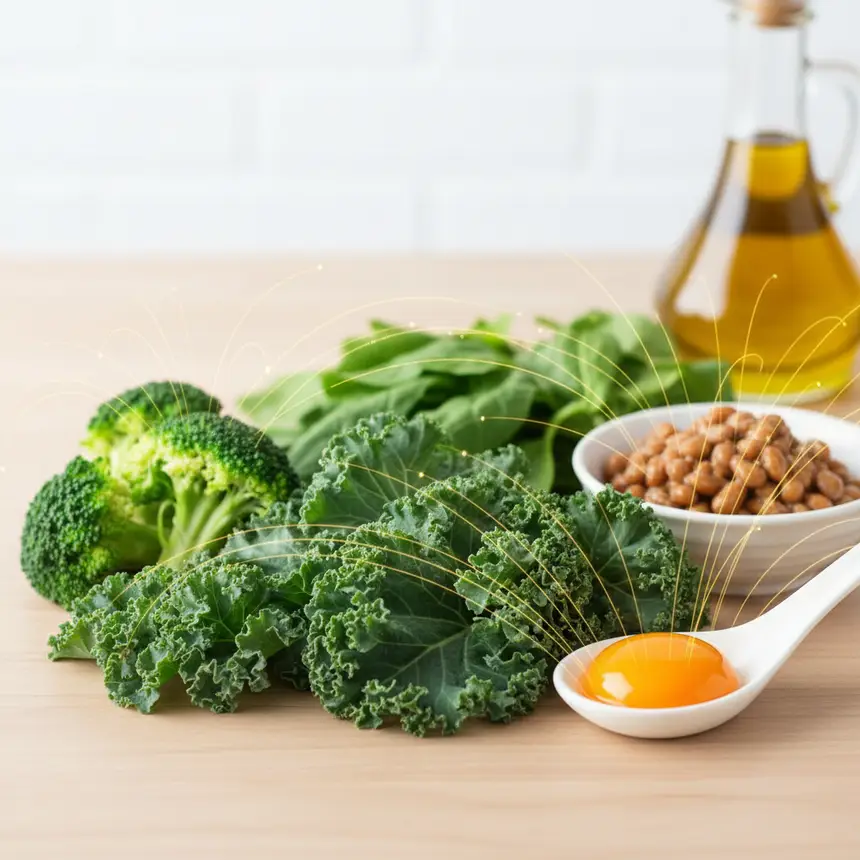
- The Power of Leafy Greens: Vitamin K1: Spinach is a prime example of a rich K1 source. A 100g serving provides approximately 483mcg of Vitamin K1, far exceeding the adult daily recommended intake of 55-65mcg. Lightly steaming and sautéing with a healthy fat can enhance absorption. Kale offers an even more potent dose of K1, boasting around 817mcg per 100g. If its natural bitterness isn't your favorite, try blending it into smoothies with fruits or adding it to salads. Broccoli also contains ample K1, alongside calcium and Vitamin C, which work synergistically to further strengthen bones. Don't discard the stems, as they are packed with nutrients too.
- Fermented and Animal-Based Foods: Vitamin K2: Fermented soy products like natto are renowned as powerhouses of Vitamin K2. K2 is especially effective at preventing calcium from accumulating in blood vessel walls, helping to direct it to the bones instead. For optimal benefits, it's best consumed raw rather than cooked, to preserve its beneficial compounds. Egg yolks are another valuable source of K2. They offer a convenient and highly absorbable option, especially for children or older adults who might not consume many vegetables. Soft-boiled eggs retain the most nutrients.
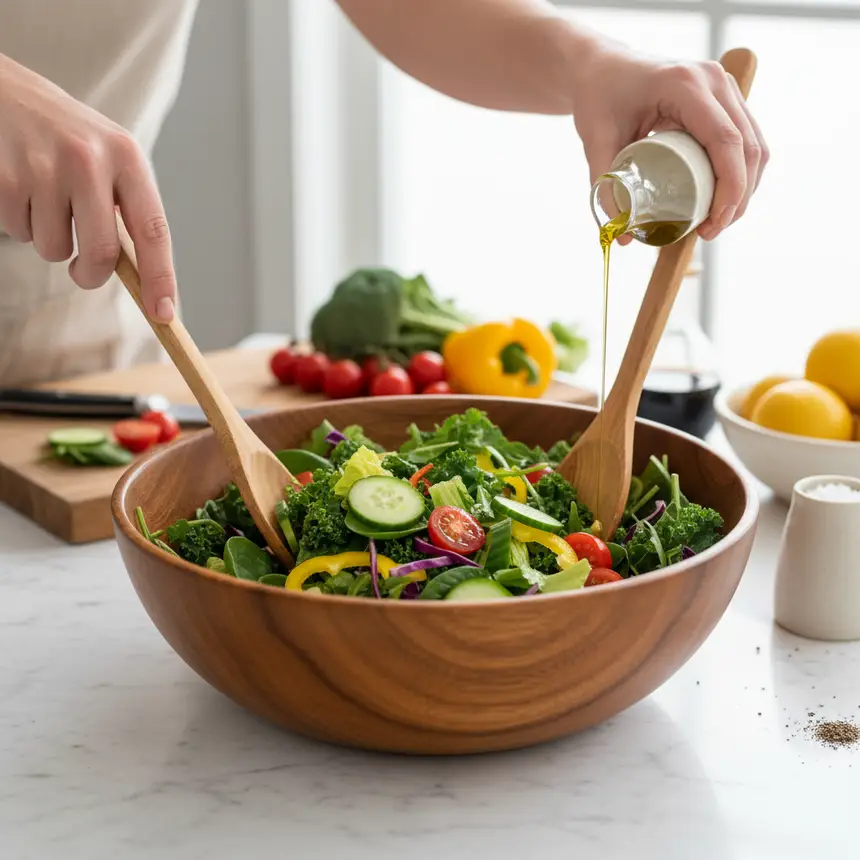
- Maximizing Absorption: As a fat-soluble vitamin, Vitamin K's absorption significantly improves when consumed with fats. Incorporating healthy oils like olive oil into salad dressings or using them when cooking vegetables can greatly enhance the body's ability to utilize this vital nutrient.
H2. Your Daily Guide to Consistent Vitamin K Intake
To fully reap the benefits of Vitamin K, adopting consistent and informed dietary habits is key. Consider integrating the following strategies into your daily routine:
- Pair with Healthy Fats: Since Vitamin K is fat-soluble, its absorption is significantly boosted when consumed with dietary fats. A simple strategy is to drizzle olive oil on your salads or use it when preparing sautéed greens.
- Make Leafy Greens a Daily Staple: Aim to include dark leafy greens like spinach, kale, or broccoli in at least one meal per day. Whether in salads, side dishes, or wraps, finding diverse ways to enjoy them helps maintain a balanced nutrient intake.
- Embrace Fermented Foods: To boost your Vitamin K2 intake, consider adding fermented soy products like natto to your diet. This is particularly beneficial for middle-aged and older adults due to its positive impact on vascular health. Opt for raw consumption over cooking to preserve its beneficial properties.
- Important Considerations: If you're taking anticoagulant medications, such as Warfarin, it's crucial to maintain a consistent intake of Vitamin K-rich foods. Sudden fluctuations can interfere with the medication's effectiveness because Vitamin K plays a role in blood clotting. Always consult your healthcare provider for personalized advice if you are on such medication. Furthermore, individuals with conditions affecting fat digestion, like gallbladder issues, might experience reduced Vitamin K absorption, and professional medical advice is recommended in these cases.

H2. Small Changes, Big Health: Start Your Journey Today!
Optimal health isn't achieved overnight. It's the cumulative effect of small, conscious choices we make at our dining tables every day. Vitamin K acts as a silent hero, fortifying our bones, maintaining flexible blood vessels, and supporting normal blood function—all crucial elements of our body's vital systems. Remember the diverse Vitamin K-rich foods introduced today and make a commitment to include them regularly in your diet, even in small amounts. What might initially feel like a chore will soon transform into an enjoyable daily habit. As these efforts compound, your bones will grow stronger, your blood vessels healthier, and you'll establish a solid foundation for a vibrant future. Begin your journey toward a healthier, more energetic life with Vitamin K, starting now!
Frequently Asked Questions
Q. What are the different types of Vitamin K, and what are their specific benefits?
A. Vitamin K primarily comes in two forms: K1 (phylloquinone) and K2 (menaquinone). K1 is abundant in green leafy vegetables like spinach and kale, playing a key role in blood clotting and bone health. K2, found in fermented foods like natto and some animal products, is known to have a greater impact on preventing calcium accumulation in blood vessels, thus supporting both bone and vascular health.
Q. Are there any special precautions to take when consuming Vitamin K-rich vegetables?
A. Some vegetables, like spinach, contain oxalates, which can be a concern for individuals at risk of kidney stones. Lightly blanching and rinsing these vegetables can help reduce their oxalate content. Also, remember that Vitamin K is fat-soluble, so consuming it with healthy fats (e.g., olive oil) can significantly improve its absorption.
Q. Can I take Vitamin K if I'm on certain medications?
A. If you are taking blood-thinning medications like Warfarin, significant changes in your Vitamin K intake can affect the medication's efficacy, as Vitamin K is involved in blood clotting. In such cases, it's crucial to maintain a consistent intake of Vitamin K-rich foods and, most importantly, consult with your healthcare provider to establish a personalized intake guide.
Q. How can I ensure better absorption of Vitamin K in my body?
A. As a fat-soluble vitamin, Vitamin K's absorption is greatly enhanced when consumed with fats. For example, adding olive oil dressing to a green leafy salad or using healthy oils when cooking Vitamin K-rich foods can boost absorption. Additionally, maintaining good gut health is important, as poor gut health can sometimes lead to reduced nutrient absorption.