Discover effective ways to maintain a healthy cardiovascular system through heart-healthy foods. Find essential ingredients and nutrient information that boost blood vessel elasticity and support circulation. A practical guide to protecting your heart through dietary improvements.

A Healthy Heart Begins on Your Plate
The human heart, often called the body's life engine, tirelessly pumps blood throughout our system, sustaining every moment of our existence. Yet, contemporary lifestyles marked by processed diets, persistent stress, and inconsistent routines can compromise vascular health, placing undue strain on this vital organ. For many, integrating specific heart-healthy foods into their daily diet isn't just a culinary choice; it's a crucial investment in long-term well-being. Before considering medical interventions, making wise food choices can significantly contribute to maintaining optimal heart function and overall health.
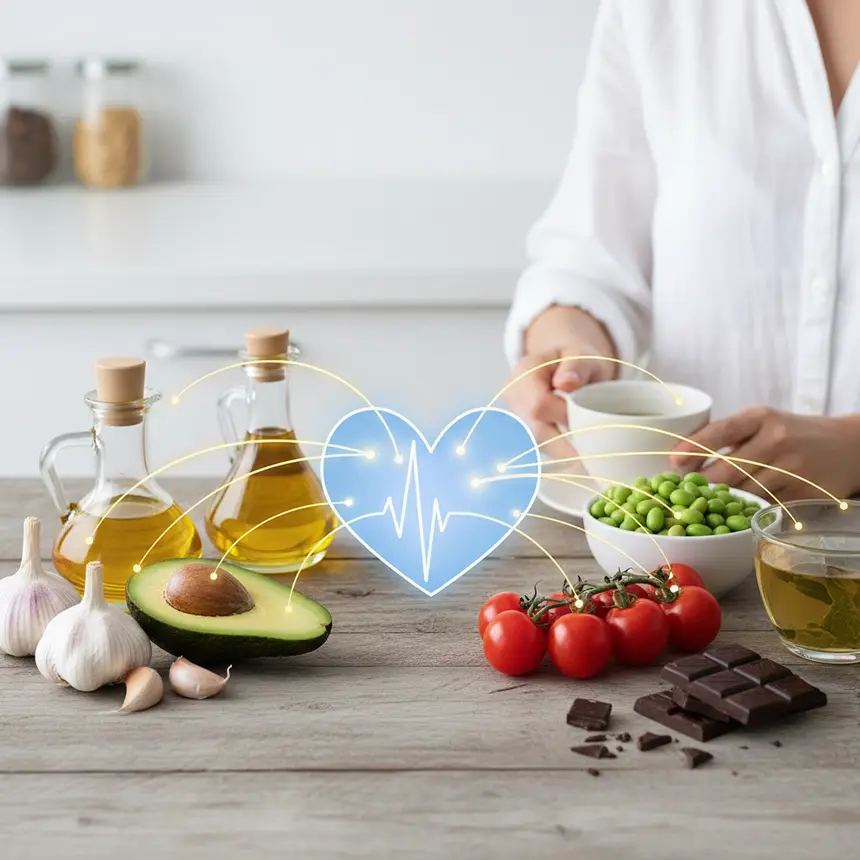
Essential Nutrients for Cardiovascular Vitality
Effectively managing heart health involves deliberately incorporating foods rich in specific nutrients into your diet. The seven ingredients outlined below can play a significant role in strengthening blood vessels and promoting efficient blood flow.### Garlic: Rich in Allicin
A staple in many cuisines, garlic is packed with allicin, a beneficial compound. Allicin can help inhibit blood clot formation and improve circulation. It also contributes to lowering harmful cholesterol levels and acts as an antioxidant, combating free radicals and potentially slowing vascular aging. Its beneficial compounds remain stable even after cooking, making it versatile for various dishes.### Avocado: A Potassium Powerhouse
Often referred to as 'nature's butter,' avocados are rich in potassium, which helps excrete excess sodium from the body and supports the maintenance of healthy blood pressure levels. Furthermore, their abundance of monounsaturated fatty acids assists in managing triglyceride levels in the blood and keeping blood vessels pliable. Adding avocado to meals enhances satiety, aiding in healthy weight management.### Tomatoes: Bursting with Antioxidants
The vibrant red hue of tomatoes comes from lycopene, a potent antioxidant. Lycopene is instrumental in fortifying blood vessel walls and assisting in blood pressure regulation. By protecting vascular cells from oxidative damage, it may reduce the risk of cardiovascular issues. For optimal absorption, consuming tomatoes cooked with a source of healthy fat, like olive oil, is recommended.### Olive Oil: A Source of Oleic Acid
A cornerstone of the Mediterranean diet, olive oil is rich in oleic acid, a monounsaturated fatty acid that helps maintain clear blood flow. It helps reduce 'bad' LDL cholesterol while preserving 'good' HDL cholesterol, positively influencing the prevention of vascular conditions. Using it as a salad dressing or even a spoonful on an empty stomach can provide anti-inflammatory benefits.### Soybeans: Plant-Based Protein Power
Dubbed 'meat from the field,' soybeans provide high-quality plant-based protein and isoflavones, which can lessen the heart's workload. As an alternative to red meat, which is often high in saturated fats, soybeans can improve blood fat profiles and contribute to blood pressure regulation and arterial elasticity. Incorporating them into rice dishes, or consuming tofu and soy milk, offers sustained benefits.### Green Tea: Catechins for Protection
The characteristic slightly bitter taste of green tea comes from catechins, compounds that play a beneficial role in protecting the inner lining of blood vessels and deterring cholesterol accumulation. With their robust antioxidant properties, catechins can help reduce vascular inflammation and provide support in managing blood pressure. Swapping coffee for 1-3 cups of warm green tea daily can foster both mental tranquility and cardiovascular health.### Dark Chocolate: Flavonols for Flow
Dark chocolate with a cacao content of 70% or higher contains a compound called flavanol, which positively impacts blood vessel relaxation and blood pressure reduction. Flavanols promote healthy blood circulation and can help mitigate inflammatory responses. However, it's essential to choose varieties with low sugar content and moderate intake to 1-2 squares daily, considering its caloric value.
A staple in many cuisines, garlic is packed with allicin, a beneficial compound. Allicin can help inhibit blood clot formation and improve circulation. It also contributes to lowering harmful cholesterol levels and acts as an antioxidant, combating free radicals and potentially slowing vascular aging. Its beneficial compounds remain stable even after cooking, making it versatile for various dishes.### Avocado: A Potassium Powerhouse
Often referred to as 'nature's butter,' avocados are rich in potassium, which helps excrete excess sodium from the body and supports the maintenance of healthy blood pressure levels. Furthermore, their abundance of monounsaturated fatty acids assists in managing triglyceride levels in the blood and keeping blood vessels pliable. Adding avocado to meals enhances satiety, aiding in healthy weight management.### Tomatoes: Bursting with Antioxidants
The vibrant red hue of tomatoes comes from lycopene, a potent antioxidant. Lycopene is instrumental in fortifying blood vessel walls and assisting in blood pressure regulation. By protecting vascular cells from oxidative damage, it may reduce the risk of cardiovascular issues. For optimal absorption, consuming tomatoes cooked with a source of healthy fat, like olive oil, is recommended.### Olive Oil: A Source of Oleic Acid
A cornerstone of the Mediterranean diet, olive oil is rich in oleic acid, a monounsaturated fatty acid that helps maintain clear blood flow. It helps reduce 'bad' LDL cholesterol while preserving 'good' HDL cholesterol, positively influencing the prevention of vascular conditions. Using it as a salad dressing or even a spoonful on an empty stomach can provide anti-inflammatory benefits.### Soybeans: Plant-Based Protein Power
Dubbed 'meat from the field,' soybeans provide high-quality plant-based protein and isoflavones, which can lessen the heart's workload. As an alternative to red meat, which is often high in saturated fats, soybeans can improve blood fat profiles and contribute to blood pressure regulation and arterial elasticity. Incorporating them into rice dishes, or consuming tofu and soy milk, offers sustained benefits.### Green Tea: Catechins for Protection
The characteristic slightly bitter taste of green tea comes from catechins, compounds that play a beneficial role in protecting the inner lining of blood vessels and deterring cholesterol accumulation. With their robust antioxidant properties, catechins can help reduce vascular inflammation and provide support in managing blood pressure. Swapping coffee for 1-3 cups of warm green tea daily can foster both mental tranquility and cardiovascular health.### Dark Chocolate: Flavonols for Flow
Dark chocolate with a cacao content of 70% or higher contains a compound called flavanol, which positively impacts blood vessel relaxation and blood pressure reduction. Flavanols promote healthy blood circulation and can help mitigate inflammatory responses. However, it's essential to choose varieties with low sugar content and moderate intake to 1-2 squares daily, considering its caloric value.
※ This post contains affiliate links. I may earn a commission at no extra cost to you.


Consistent Dietary Choices: The Cornerstone of Heart Health
Managing heart health through diet isn't about short-term fixes; it's about sustained, consistent effort. Begin by effortlessly integrating the heart-friendly foods we've discussed into your daily meals. Simple changes, like adding avocado and olive oil to your salads, choosing low-sugar dark chocolate as a treat, or opting for green tea instead of coffee, can accumulate to make a significant difference. Such improvements in eating habits don't merely prevent specific conditions; they can boost your overall vitality and contribute to a longer, healthier life. Embrace a nourishing plate to build a stronger heart.
Frequently Asked Questions
Q. Why is diet so important for heart health?
A. The heart is your body's vital pump, delivering essential nutrients and oxygen. Your diet directly impacts blood pressure, cholesterol, and inflammation levels. A healthy diet is therefore crucial for reducing cardiovascular disease risk and maintaining optimal heart function.
Q. What specific nutrients are particularly beneficial for the heart?
A. Key nutrients include unsaturated fatty acids (found in olive oil, avocado), potassium (avocado), lycopene (tomatoes), allicin (garlic), flavanols (dark chocolate), catechins (green tea), and plant-based protein and isoflavones (soybeans). These all play roles in supporting cardiovascular wellness.
Q. Are there certain types of foods I should avoid for heart health?
A. Yes, it's advisable to limit processed meats, fried foods, items high in excessive sugar and salt, and those rich in trans and saturated fats. These can harm blood vessel health and place undue stress on your heart.
Q. How can I easily incorporate these beneficial ingredients into my everyday meals?
A. Try using olive oil and avocado in salads, actively adding garlic and tomatoes to your cooking. Consider mixing soybeans into your rice, choosing dark chocolate with low sugar content as a snack, or drinking green tea instead of coffee. Starting with small, manageable changes is often the most effective approach.