Experiencing digital eye strain or dryness? Discover how lutein and zeaxanthin support eye health. This guide covers their benefits, key selection criteria, and practical tips for effective intake to help manage modern eye challenges.

Navigating the Digital World: Understanding Modern Eye Strain
In today's interconnected world, constant screen time from computers and smartphones has become an unavoidable part of daily life for many. However, this digital dependency often comes at a cost: persistent eye discomfort. Symptoms such as blurry vision, dry eyes, and general fatigue after prolonged screen exposure are increasingly common. While often dismissed as simple tiredness, these recurring issues can significantly impact quality of life and signal a need for more proactive eye health management. Lutein and zeaxanthin, crucial components of the eye's macula, are gaining recognition for their vital role in protecting vision and maintaining eye health in this demanding digital environment. Recognizing these early signs of discomfort and exploring nutritional support is a critical first step towards better eye care.

Key Nutrients for Ocular Health: The Power of Lutein and Zeaxanthin
Lutein and zeaxanthin are powerful carotenoid pigments predominantly found in the macula, the central part of the retina responsible for sharp, detailed vision. These essential nutrients act as natural filters, absorbing harmful blue light emitted from digital screens and sunlight. Beyond filtration, they also possess potent antioxidant properties, neutralizing free radicals that can damage delicate eye cells. Research indicates that lutein and zeaxanthin are naturally present in the macula in an approximate 5:1 ratio, with 20mg of lutein and 4mg of zeaxanthin often cited as an optimal blend for supplements. When considering supplementation, it's wise to adhere to general daily intake recommendations, such as a combined maximum of 24mg for lutein and zeaxanthin. Including other supportive plant-derived nutrients, like Vitamin A from moringa leaf extract, can further enhance overall eye health. Prioritizing these key nutrients in appropriate concentrations is fundamental for maintaining robust vision.
※ This post contains affiliate links. I may earn a commission at no extra cost to you.

Smart Choices for Eye Support: Integrating Lutein and Zeaxanthin into Your Routine
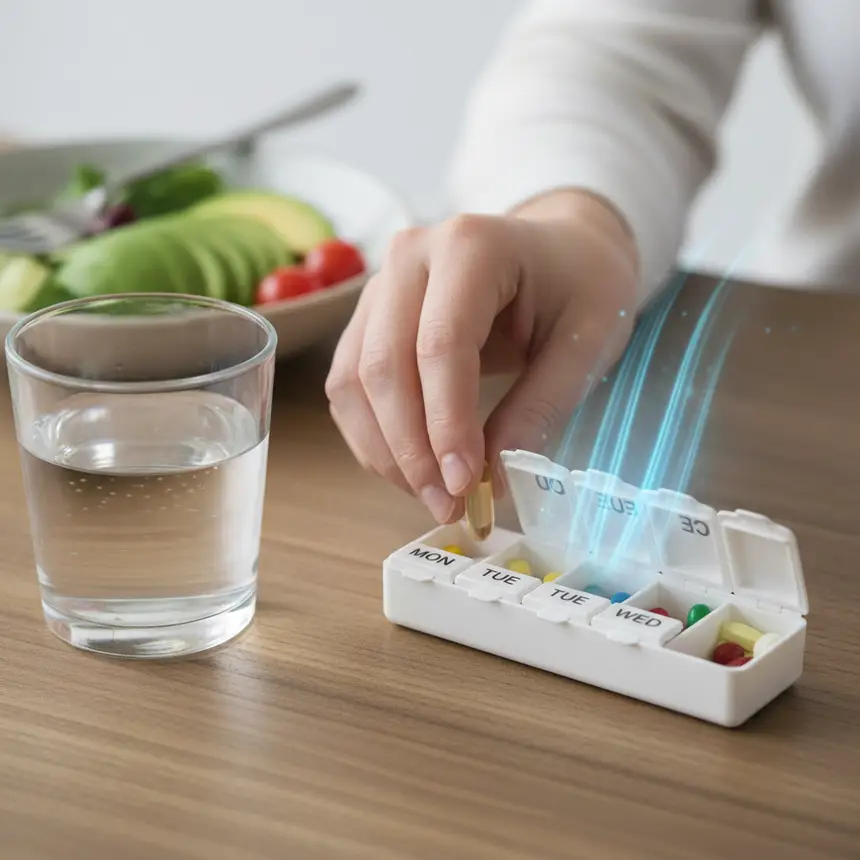
When selecting a lutein and zeaxanthin supplement, a few important criteria can guide your choice. First, verify that the product's dosage aligns with recommended daily intake guidelines, typically around a combined 24mg, and ideally in the 5:1 lutein-to-zeaxanthin ratio that mimics the eye's natural composition. Second, if Vitamin A is included, look for plant-based sources such as moringa leaf extract. Third, consider the extraction method used for the ingredients. Opt for products that utilize gentle processes like low-temperature supercritical extraction, avoiding harsh chemical solvents such as hexane or acetone. Consistency is paramount for any supplement. To maximize absorption and minimize potential stomach discomfort, it's often recommended to take these fat-soluble nutrients with a meal. Setting a daily alarm or linking intake to an existing routine, like after lunch, can greatly improve adherence. Finally, nutritional support works best when combined with practical eye care habits. Remember to take regular breaks from screens, follow the 20-20-20 rule (every 20 minutes, look at something 20 feet away for 20 seconds), and intentionally focus on distant objects to relax your eye muscles.
Frequently Asked Questions
Q. Why are lutein and zeaxanthin often found together in supplements?
A. Lutein and zeaxanthin are both crucial carotenoids found in the macula of the eye. They work synergistically, protecting different areas and providing comprehensive antioxidant defense against blue light and oxidative stress. Taking them together ensures broader support for macular health.
Q. How long does it typically take to notice the benefits of lutein and zeaxanthin?
A. The timeline for experiencing benefits can vary significantly among individuals. While some may notice subtle changes within a few weeks, it's more common for benefits to become apparent after several months of consistent supplementation. Patience and regularity are key for long-term eye health.
Q. What should I look for when choosing a lutein and zeaxanthin supplement?
A. Key factors include checking for a dosage that adheres to recommended daily intake (e.g., up to 24mg combined), an optimal 5:1 lutein-to-zeaxanthin ratio, and a clean extraction method (like low-temperature supercritical CO2 extraction). Also, consider any third-party quality certifications.
Q. What foods are good sources of lutein and zeaxanthin?
A. Excellent dietary sources include dark leafy green vegetables like kale, spinach, and collard greens. Other good sources are corn, bell peppers, broccoli, and egg yolks. Incorporating these foods into your regular diet can naturally boost your intake.
Q. Is it better to take eye health supplements with or without food?
A. Lutein and zeaxanthin are fat-soluble nutrients, meaning they are best absorbed when consumed with a meal that contains some fat. Taking them after a meal can significantly enhance their absorption and reduce the likelihood of stomach upset.