Dive deep into the severe impact of chronic stress, a pervasive modern issue, on our body and mind. Understand the various health problems stress causes, from hormonal imbalances to cognitive decline, and discover effective management strategies to reclaim a balanced life.

The Unending Tension: Why Our Body's Alarm Bell Won't Stop Ringing
From the moment we wake up until we finally drift off to sleep, modern life often feels like a relentless marathon, filled with unpredictable demands and pressures. Do you often experience unexplained fatigue, heightened sensitivity to minor irritations, or difficulty falling asleep at night? While it's easy to attribute these symptoms to a busy schedule, they could actually be warning signs from what we call 'chronic stress.' This invisible, persistent pressure isn't just a mood issue; it can be a primary culprit gradually eroding the overall health balance of our entire body.
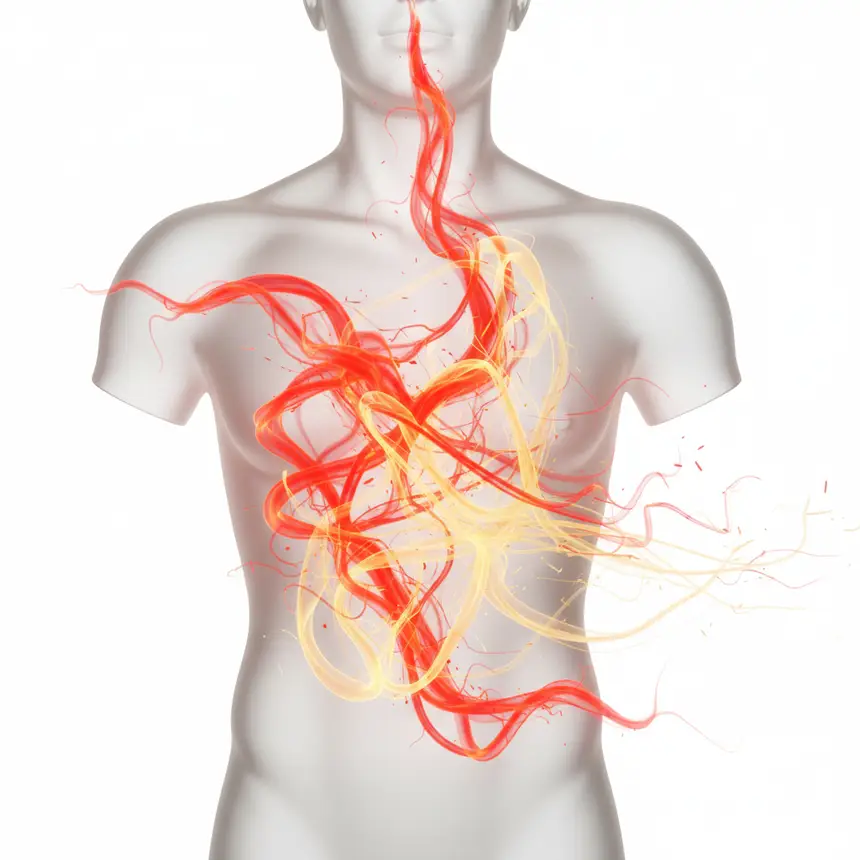
The Paradox of the Body's Emergency System: Cortisol and Systemic Imbalance
When faced with a perceived threat, our body activates a 'fight-or-flight' response for survival. During this process, the adrenal glands release a hormone commonly known as 'cortisol.' While beneficial in the short term—increasing heart rate and providing energy to cope with immediate dangers—prolonged elevation of cortisol can have widespread negative effects. For instance, it can unnaturally raise blood sugar levels and decrease cellular insulin sensitivity, disrupting energy metabolism. This often accelerates fat accumulation, particularly around the abdomen, and diminishes overall metabolic function. Furthermore, chronic stress negatively impacts the production of reproductive hormones, leading to hormonal imbalances in both men and women. Thus, persistent stress can disrupt our body's intricate systems, casting a significant shadow over our well-being.
※ This post contains affiliate links. I may earn a commission at no extra cost to you.

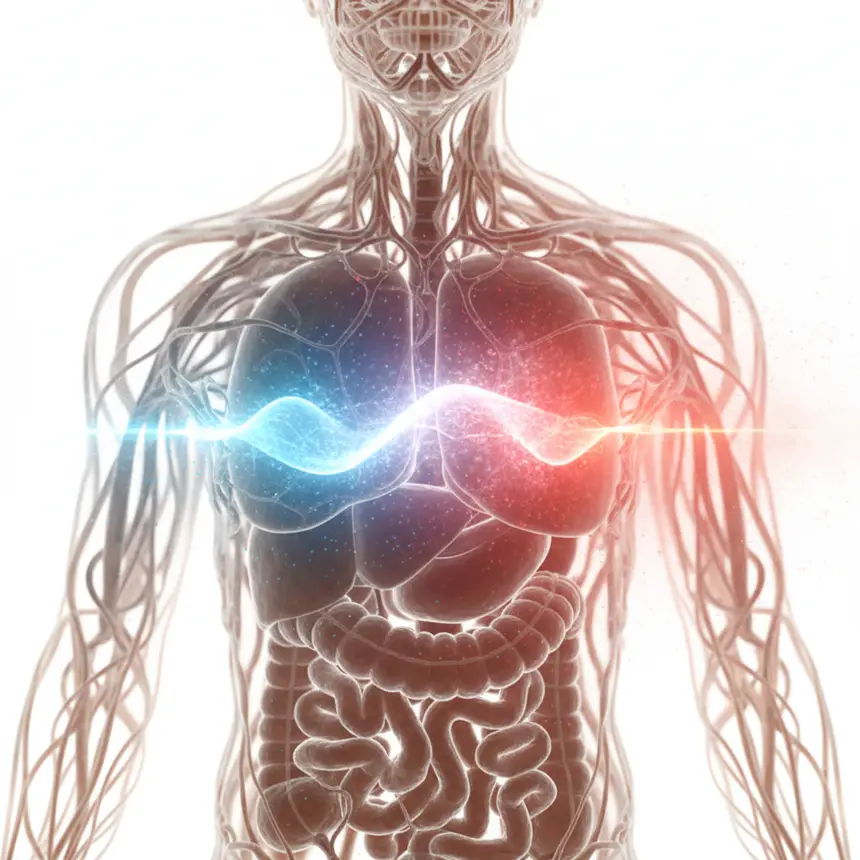
Internal Smoldering and Weakened Defenses: Inflammation and Immune System Changes
Chronic stress also profoundly affects our immune system. Sustained periods of stress can trigger a low-grade inflammatory response throughout the body. Like a silent fire, this inflammation can damage blood vessel walls, accelerate cellular aging, and sow the seeds for various health issues. Moreover, stress hormones impair the activity of our immune cells that protect us. The function of white blood cells and natural killer cells, which defend against external invaders, can weaken, making us more susceptible to infectious diseases. Recovery times may also slow down, and the immune system might struggle to distinguish friend from foe, increasing the risk of autoimmune reactions. This weakened immunity compromises our overall bodily defenses, exposing us to a range of illnesses. Proactive efforts are essential to re-establish our body's protective systems.
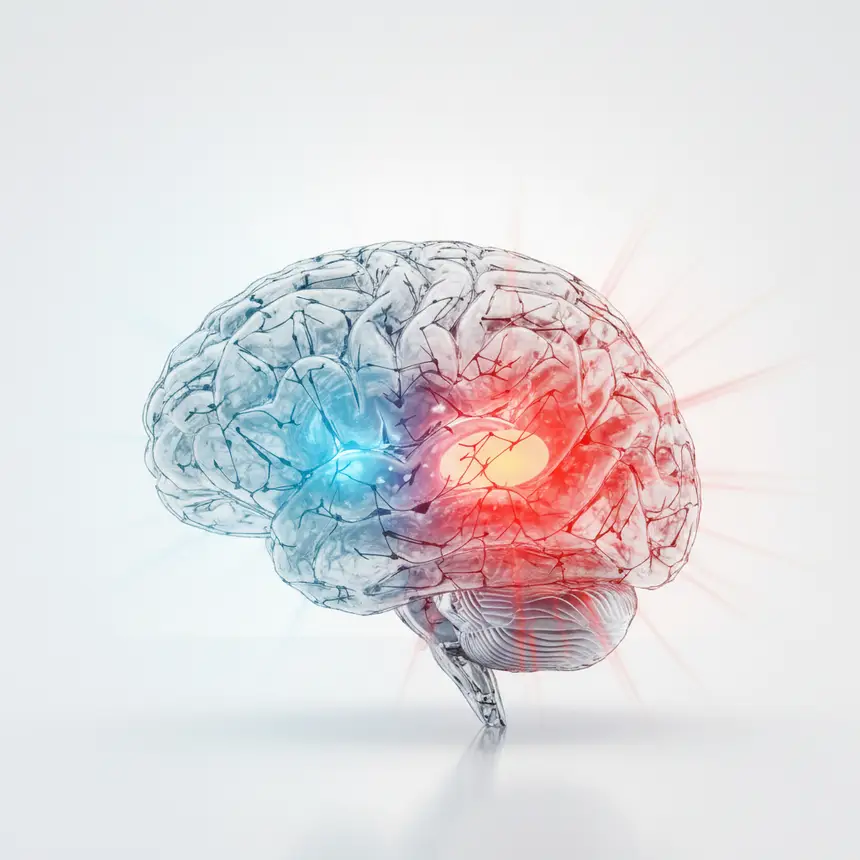
Brain Function and Emotional Regulation: Stress's Mark on the Mind
Our brain responds acutely to stress, particularly the hippocampus, an area crucial for memory and learning. Prolonged exposure to high levels of cortisol can weaken or damage neural connections in this region, potentially leading to cognitive issues such as memory impairment and reduced ability to acquire new information. Additionally, the prefrontal cortex, responsible for logical thought and judgment, may see its function decline, resulting in decreased concentration and problem-solving abilities. The amygdala, which regulates emotions, can become enlarged and more sensitive in response to stress. This can cause heightened feelings of anxiety and fear even from minor stimuli, leading to a vicious cycle that disrupts sleep quality and causes chronic fatigue. As the brain serves as our body's command center, these changes can have a severe impact on all aspects of daily life.

Building Stress Resilience: Embracing Healthy Changes Today
There's no need to feel powerless in the face of chronic stress. We can significantly enhance our stress resilience through conscious effort and lifestyle adjustments. Prioritizing nutrient-dense foods is crucial. Base your diet around whole grains, colorful vegetables, fruits, and nuts, which are rich in B vitamins, magnesium, and antioxidants. These nutrients can help regulate the stress response and reduce inflammation. Regular physical activity is also highly effective in lowering stress hormone levels and boosting mood. Even gentle activities like walking, yoga, or light stretching can make a difference. Finally, incorporating relaxation techniques such as mindfulness meditation or deep breathing into your daily routine, and ensuring sufficient sleep, allows your brain and body the time they need to rest and repair. A series of small, consistent habit changes will greatly improve your body's restorative capabilities and build a powerful shield against the detrimental effects of stress.
Frequently Asked Questions
Q. What physical symptoms are commonly caused by chronic stress?
A. Chronic stress can manifest in a wide array of physical symptoms including digestive issues, headaches, muscle pain, insomnia, chronic fatigue, frequent infections due to weakened immunity, and skin problems. Cognitive issues like reduced concentration and memory impairment can also occur.
Q. Are there specific dietary adjustments that can help manage stress?
A. Yes, a diet focused on whole foods like whole grains, vegetables, fruits, and nuts is beneficial for stress management. Foods rich in magnesium (e.g., leafy greens), omega-3 fatty acids (e.g., fish), and B vitamins can support nervous system stability. It's advisable to reduce intake of processed foods and sugar.
Q. How does regular exercise help alleviate stress?
A. Regular physical activity helps lower levels of the stress hormone cortisol and promotes the release of endorphins, which improve mood. It also helps relieve physical tension and enhances sleep quality. Even light activities such as walking or yoga can be highly effective.
Q. Is getting enough sleep important for stress management?
A. Absolutely, sleep is essential for stress management. During sleep, our brain and body recharge and recover. Sufficient sleep improves emotional regulation and boosts resilience to stress. It's beneficial to establish a consistent sleep schedule, going to bed and waking up at the same time each day.
Q. When should one seek professional help for severe stress?
A. If chronic stress symptoms disrupt your daily life, become unmanageable on your own, or if you experience persistent feelings of depression or anxiety, it's advisable to consider seeking help from a mental health professional or counselor. Early consultation with an expert is crucial.