Examine modern dietary habits impacting vascular health and discover beneficial ingredients and cooking methods. Achieve vibrant vascular health with simple diet and exercise habits you can implement daily.

The Modern Diet and Its Impact on Cardiovascular Health
In our fast-paced modern lives, convenience often dictates our food choices, leading many of us towards diets high in unhealthy fats, excessive sodium, and refined sugars. This dietary pattern can place significant strain on our vascular system, the intricate network of blood vessels vital for our health. Over time, such eating habits may compromise the function of blood vessel linings and slow down overall circulation. Critically, these choices can negatively influence blood cholesterol levels and triglyceride accumulation, posing a risk to the overall well-being of our blood vessels. Given that our blood vessels are responsible for delivering essential nutrients and oxygen to every cell, and removing waste, their health is paramount to our entire body's vitality. Therefore, a conscious review of our dietary practices and making informed choices for vascular health has become more crucial than ever. Beyond mere culinary enjoyment, understanding the ingredients and cooking methods that support healthy vascular function is the first step towards a vibrant life.
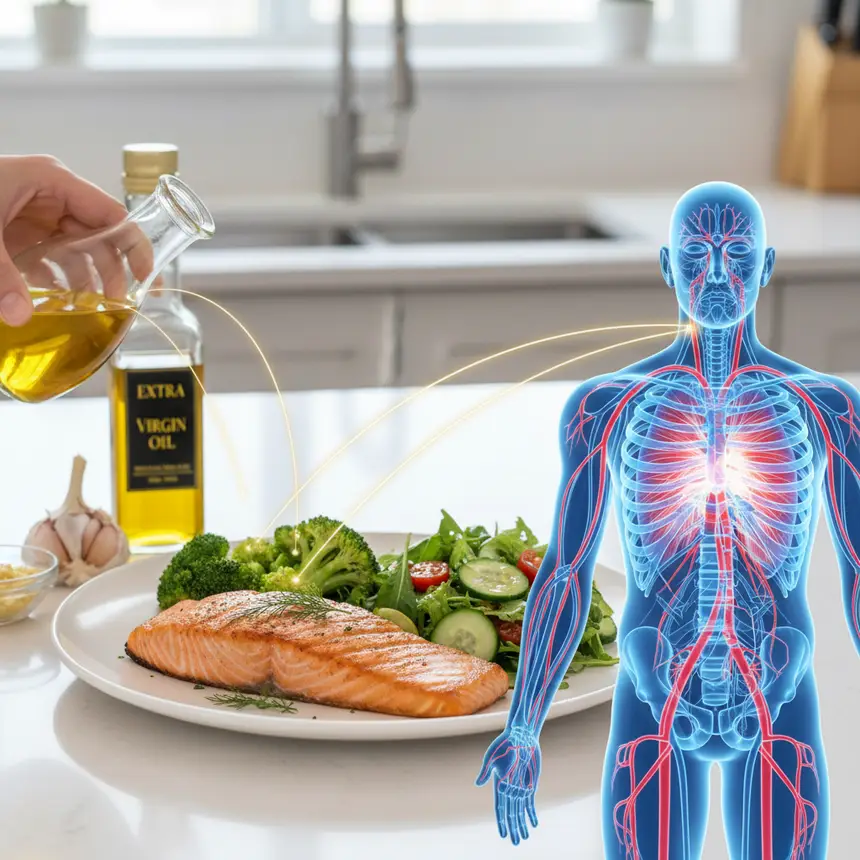
Specific Methodologies: Ingredients and Cooking for Vascular Benefit
To safeguard your vascular health, careful consideration is needed, from selecting ingredients to preparing your meals. Foods rich in specific types of fatty acids can help maintain a healthy balance of cholesterol in the blood, contributing to the smooth function of fat cells and promoting efficient blood circulation. For instance, the fatty acids found in oily fish are essential nutrients that our bodies cannot produce, making dietary intake vital. These components are generally easy on the digestive system and highly absorbable, potentially offering positive effects on the function of blood vessel linings. Furthermore, certain vegetables, like garlic, containing beneficial compounds, may assist in stabilizing blood pressure and inhibiting excessive blood clot formation. Consuming these alongside low-acid extra virgin olive oil can potentially offer enhanced benefits. Cooking methods are equally important. Opting for grilling, steaming, or baking over deep-frying or excessively salty preparations is a more vascular-friendly approach. Enjoying fresh fruits and vegetables raw, or using healthy oils like olive oil for dressings, are also excellent choices. These small, deliberate changes collectively build a strong foundation for sustained vascular health.
※ This post contains affiliate links. I may earn a commission at no extra cost to you.


Actionable Steps for Boosting Vascular Vitality in Your Daily Life
Vascular health isn't achieved through a single effort but rather through consistent lifestyle habits. By making small, daily changes, we can infuse vitality into our blood vessels. Firstly, gradually improve your eating habits. Instead of foods that burden your blood vessels, such as processed meats, fried items, and sugary beverages, focus on a diet rich in fresh vegetables, whole grains, and lean proteins. For example, consider swapping a fast-food lunch for a salmon steak with steamed broccoli. Secondly, regular physical activity is indispensable. Aerobic exercise is crucial for promoting smooth blood flow and maintaining vascular elasticity, while strength training contributes to overall bodily well-being. Start with about 30 minutes of light walking or stretching daily, gradually increasing your activity levels. Thirdly, adequate hydration and stress management are also significant factors for vascular health. Water helps reduce blood viscosity and aids circulation. The harmonious improvement of your diet, exercise, and overall lifestyle can help maintain the elasticity of your blood vessels and promote healthy circulation, leading to a more vibrant life. Begin implementing these small habits today and empower your well-being.
Frequently Asked Questions
Q. What types of fats should I consume for vascular health?
A. For optimal vascular health, focus on unsaturated fats. This includes omega-3 fatty acids found in oily fish (like salmon and mackerel), and monounsaturated and polyunsaturated fats present in nuts, seeds, avocados, and olive oil. These can help maintain a healthy balance of cholesterol in your blood and support circulatory system health.
Q. Besides diet, what else can I do to improve my vascular health?
A. Beyond diet, regular physical activity, adequate hydration, avoiding smoking, moderate alcohol consumption, and stress management are crucial. Combining aerobic exercise with strength training can promote smooth blood circulation and help maintain blood vessel elasticity.
Q. How do processed foods affect vascular health?
A. Processed foods often contain excessive trans fats, saturated fats, sodium, and sugars. These ingredients can elevate blood cholesterol levels and potentially damage blood vessel linings, negatively impacting circulatory system health. It's advisable to minimize processed food intake.
Q. Are there specific vegetables or fruits particularly beneficial for vascular health?
A. Yes, many vegetables and fruits are beneficial. Especially garlic, broccoli, leafy greens like spinach, and berries are rich in vitamins, minerals, and antioxidants, which can help protect blood vessels and maintain their function.
Q. How soon can I expect to see improvements from dietary changes for vascular health?
A. Vascular health improvement is a result of consistent, long-term effort rather than a quick fix. While individual results vary, maintaining a regular healthy diet and lifestyle can lead to positive changes, such as improved blood lipid levels, within several months, and significantly contribute to long-term vascular health.