Discover the vital synergy of Calcium, Magnesium, and Vitamin D for strong bones and a vibrant life. Learn smart strategies to maximize absorption and support your skeletal, muscular, and nervous system health.
Unlock the secrets to robust bone health with our comprehensive nutrient intake guide.

Modern Lifestyles: A Silent Threat to Your Bone Health
Our bones, the very foundation of our bodies, require lifelong attention and care. Yet, the demands of modern life, often coupled with inconsistent dietary habits, leave many unknowingly vulnerable to compromised bone health. Certain life stages, such as pregnancy, dramatically increase the demand for essential nutrients to support fetal development. If these needs aren't met, it can impact the mother's bone density. Minor discomforts like nighttime leg cramps or tingling sensations in hands and feet might seem like simple fatigue, but they can often be subtle indicators of mineral deficiencies. Overlooking these signals could, over time, lead to more significant issues like reduced bone mineral density. It's crucial to pay attention to these subtle cues from our bodies and recognize the profound importance of essential nutrients for a healthy, active life.
Unraveling the Impact of Calcium, Magnesium, and Vitamin D Deficiency
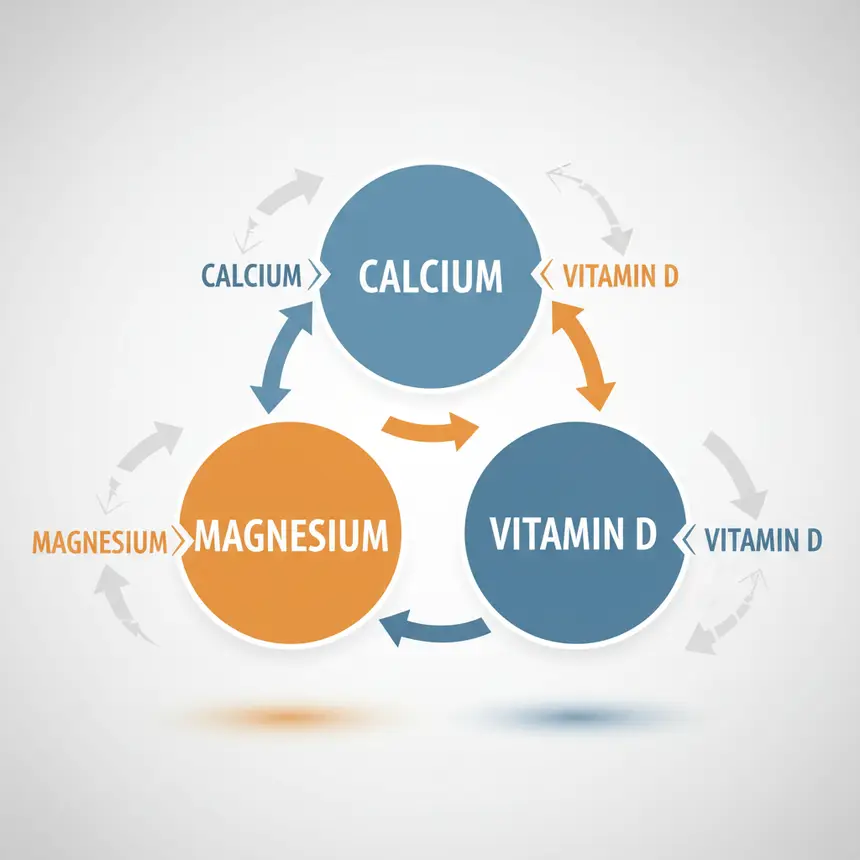
Three nutrients are paramount for maintaining our bone health and overall bodily functions: Calcium, Magnesium, and Vitamin D. Far from working in isolation, these three interact synergistically, enhancing each other's absorption and efficacy. For instance, Vitamin D is crucial for facilitating calcium absorption in the gut. Magnesium, in turn, helps regulate how calcium is deposited into bones and plays a vital role in nerve and muscle function. A deficiency in any one of these can disrupt the balance of the others, leading to a cascade of negative effects. Unfortunately, many individuals find it challenging to obtain sufficient amounts from diet alone. Furthermore, increased indoor living limits sun exposure, hindering Vitamin D synthesis and exacerbating this complex nutritional shortfall. Such imbalances can be a root cause of various health issues, including diminished bone density, muscle spasms, and neurological dysfunctions.
※ This post contains affiliate links. I may earn a commission at no extra cost to you.


Smart Strategies for Bone Health: Nutrient Pairing and Optimal Intake
Effectively managing your bone health begins with understanding the critical role of Calcium, Magnesium, and Vitamin D, and then strategically incorporating them into your diet. These nutrients perform best when working together, so consider them as a team rather than focusing on a single element.
2. Mealtime Boost: Being a fat-soluble vitamin, Vitamin D is best absorbed when taken with a meal or immediately after, as dietary fats aid its uptake.
3. Avoid Inhibitors: Certain beverages like coffee or some dairy products can interfere with calcium absorption. It's advisable to take your supplements at least 30 minutes apart from these. Water is always the best companion for supplement intake.
- Consider Optimal Dosages: For adults, the recommended daily intake for calcium often exceeds 700mg. Vitamin D supplementation might be considered, given modern lifestyles often limit sun exposure. Magnesium is also vital, and maintaining an appropriate ratio with calcium is key for overall balance.
- Boost Absorption Efficiency:
2. Mealtime Boost: Being a fat-soluble vitamin, Vitamin D is best absorbed when taken with a meal or immediately after, as dietary fats aid its uptake.
3. Avoid Inhibitors: Certain beverages like coffee or some dairy products can interfere with calcium absorption. It's advisable to take your supplements at least 30 minutes apart from these. Water is always the best companion for supplement intake.
- Choose Wisely: Opt for supplements free from unnecessary chemical additives. Pay attention to the source of ingredients and processing methods (e.g., highly bioavailable calcium derived from marine algae). Regarding Vitamin D, the D3 form is generally more efficiently utilized by the body compared to D2.

Cultivating a Lifetime of Bone Health and Vitality
Achieving robust bone health is not a sprint, but a marathon—it demands consistent attention and proactive steps. By integrating the smart intake strategies discussed into your daily routine and tailoring them to your individual health needs, you're building a strong foundation. A balanced diet, regular physical activity, and sufficient intake of essential nutrients are all vital components for maintaining strong bones and sustaining an active, vibrant life into your later years. If you're in a special health condition, such as pregnancy or breastfeeding, it's wise to consult a healthcare professional before starting any new supplement regimen to ensure appropriate dosages and methods. Start investing in your bone health today with small, consistent changes, and pave the way for a healthier, more energetic future.
Frequently Asked Questions
Q. Why is it recommended to take Calcium, Magnesium, and Vitamin D together?
A. These three nutrients have a synergistic relationship, meaning they help each other's absorption and function. Vitamin D facilitates calcium absorption, and Magnesium helps calcium properly integrate into bones. Taking them together enhances the overall efficiency of each nutrient.
Q. Are there any foods or drinks to avoid when taking supplements for bone health?
A. Yes, beverages like coffee and certain dairy products can inhibit calcium absorption. It's best to allow at least a 30-minute interval between consuming these and taking your supplements.
Q. Can certain symptoms indicate a nutrient deficiency?
A. Absolutely. Frequent nighttime leg cramps or tingling sensations in your hands and feet can be signs of magnesium or calcium deficiency. If these symptoms persist, it's advisable to consult a healthcare professional to assess your nutritional status.
Q. Is it always necessary to take Vitamin D as a supplement?
A. While Vitamin D is synthesized in the skin through sun exposure, modern lifestyles, increased indoor time, and sunscreen use often make it difficult to produce sufficient amounts. Dietary sources are also limited, so supplementation may be a valuable consideration if your levels are low.
Q. Is it okay to take a large amount of calcium supplement all at once?
A. For optimal absorption, it's generally more effective to divide your daily recommended calcium intake into smaller doses throughout the day, rather than taking one large amount. For example, splitting it between breakfast and dinner can improve absorption.