Are cold, tingly hands and feet, chronic fatigue, and dizziness signs of poor circulation? Discover practical ways to maintain healthy blood vessels, improve blood flow, and protect your cardiovascular health.

Those Little Annoyances in Your Day Could Be Warning Signs of Poor Circulation
Do you often wake up to cold, tingly hands and feet? Do your legs feel heavy and tired by afternoon, even without strenuous activity? Or perhaps you experience occasional dizziness and headaches? These seemingly minor discomforts might actually be subtle cues from your body, indicating that your 'lifeblood pathways' – your blood circulation and vascular health – need attention. Blood circulation is a vital process where your heart pumps blood throughout your entire body, delivering oxygen and nutrients while removing waste products. When this circulation isn't efficient, your organs and tissues don't receive the essential energy they need, leading to various issues. What starts as a small inconvenience can significantly impact your long-term health, so it’s crucial not to overlook these signals and address them early.
Understanding Your Body's Lifelines: The Essentials of Vascular Health and Blood Flow
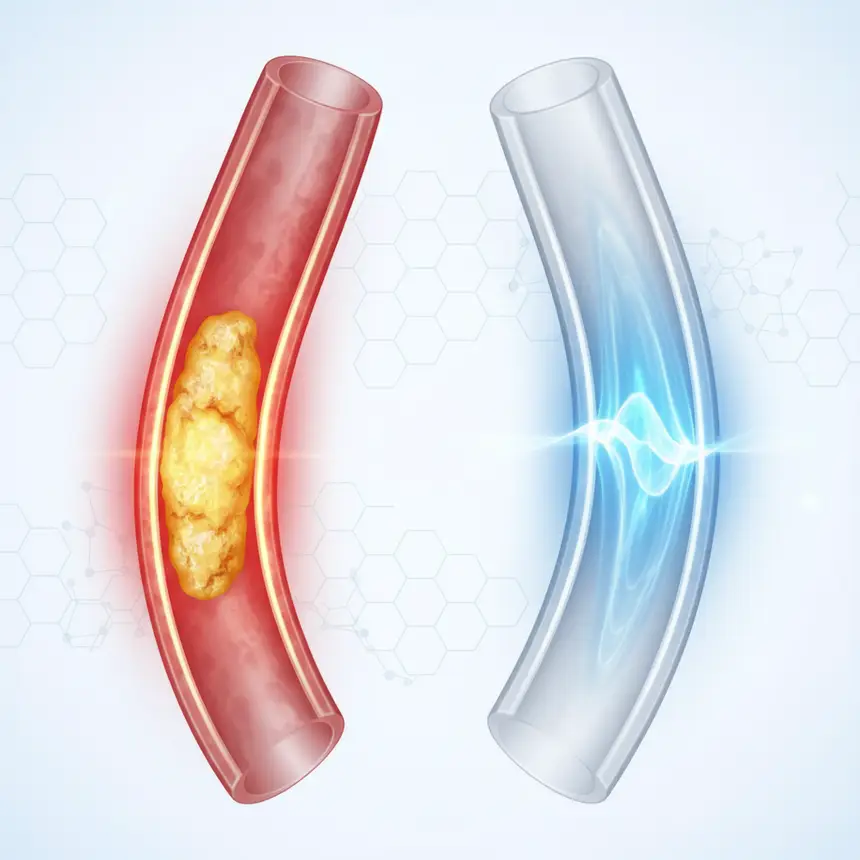
Efficient blood flow throughout your body is much like traffic moving smoothly on a well-maintained highway. But if there are obstacles or the road itself is damaged, the flow gets disrupted. A primary cause of poor blood circulation often stems from certain fatty substances building up inside your blood vessels, gradually narrowing them or reducing their elasticity. This can slow down blood flow, and in severe cases, significantly reduce blood supply to specific areas.
2. Chronic Fatigue and Heavy Legs: When muscles don't get enough oxygen and nutrients, you might feel tired easily and your legs can feel unusually heavy.
3. Dizziness and Headaches: These symptoms can arise if blood flow to the brain is compromised.
4. Swelling (Edema): Inefficient circulation can lead to fluid retention in the body, as waste products aren't properly flushed out.
5. Skin Color Changes: A lack of adequate blood supply might make your skin appear pale or even bluish.
If these symptoms persist or suddenly worsen, it's possible you're experiencing more than just minor discomfort; it could be a sign of a circulatory issue. Consulting a healthcare professional to identify the exact cause is important. Healthy blood vessels are the foundation of a healthy life, and proactive management is essential for safeguarding your long-term cardiovascular well-being.
- Common Signs That Your Blood Isn't Flowing as Smoothly as It Should Be:
2. Chronic Fatigue and Heavy Legs: When muscles don't get enough oxygen and nutrients, you might feel tired easily and your legs can feel unusually heavy.
3. Dizziness and Headaches: These symptoms can arise if blood flow to the brain is compromised.
4. Swelling (Edema): Inefficient circulation can lead to fluid retention in the body, as waste products aren't properly flushed out.
5. Skin Color Changes: A lack of adequate blood supply might make your skin appear pale or even bluish.
If these symptoms persist or suddenly worsen, it's possible you're experiencing more than just minor discomfort; it could be a sign of a circulatory issue. Consulting a healthcare professional to identify the exact cause is important. Healthy blood vessels are the foundation of a healthy life, and proactive management is essential for safeguarding your long-term cardiovascular well-being.
※ This post contains affiliate links. I may earn a commission at no extra cost to you.


Actionable Strategies for Maintaining Healthy Blood Flow
Managing blood circulation and vascular health is a journey, not a sprint. It can be effectively managed through consistent lifestyle adjustments and dietary choices over time.
2. Engage in Regular Physical Activity: Aerobic exercises like brisk walking or swimming for at least 30 minutes daily can significantly help make your blood vessels more flexible and improve blood flow. Regular exercise also aids in weight management, which in turn reduces strain on your blood vessels.
3. Quit Smoking and Moderate Alcohol Consumption: Smoking is a direct cause of blood vessel constriction and damage. Alcohol can elevate triglyceride levels, so it's advisable to consume it in moderation or reduce intake.
4. Manage Your Weight: Maintaining a healthy weight is crucial for reducing the burden on your blood vessels and keeping blood lipid levels in a healthy range. Research suggests that even a modest reduction in body weight can lead to noticeable improvements in certain blood lipid indicators.
- Boosting Vascular Health Through Lifestyle Changes:
2. Engage in Regular Physical Activity: Aerobic exercises like brisk walking or swimming for at least 30 minutes daily can significantly help make your blood vessels more flexible and improve blood flow. Regular exercise also aids in weight management, which in turn reduces strain on your blood vessels.
3. Quit Smoking and Moderate Alcohol Consumption: Smoking is a direct cause of blood vessel constriction and damage. Alcohol can elevate triglyceride levels, so it's advisable to consume it in moderation or reduce intake.
4. Manage Your Weight: Maintaining a healthy weight is crucial for reducing the burden on your blood vessels and keeping blood lipid levels in a healthy range. Research suggests that even a modest reduction in body weight can lead to noticeable improvements in certain blood lipid indicators.
- Leveraging Nutrients to Support Blood Flow:

The Power of Persistent Care for a Healthier Future
Your blood circulation and vascular health are fundamental to your overall well-being, and they don't improve or decline overnight. This area requires consistent and sustained attention and effort. Starting today, by simply improving one small habit at a time, your blood vessels can function more healthily and vigorously. For instance, begin with a light walk once a day, or choose fresh fruit over processed snacks. These small changes accumulate, eventually leading to smoother blood flow and contributing to overall health improvement. Listen to the signals your body sends, and embrace healthy lifestyle habits to welcome a vibrant tomorrow. Healthy blood vessels are truly a shortcut to a healthy and happy life.
Frequently Asked Questions
Q. Can poor circulation lead to serious health conditions?
A. Yes, it can. If poor blood circulation is left unmanaged and blood vessels continue to narrow or become blocked, it can seriously impact heart and brain health. Insufficient or interrupted blood flow to certain areas can lead to various risks, making early management extremely important.
Q. Is it possible to completely reverse damage to blood vessels?
A. While it might be challenging to fully reverse damage to its original state, it's definitely possible to slow down the progression and improve vascular health. Lifestyle changes and dietary management, in particular, can help regulate blood lipid levels to a healthier state, often showing positive changes even in the short term. Consistent effort is key.
Q. Does numbness in hands and feet always mean a circulation problem?
A. Not necessarily. Numbness in the extremities can arise from various causes, including nerve issues or spinal conditions. However, if both hands and feet experience numbness accompanied by coldness, and these symptoms persist over time, it's worth considering a potential circulatory issue. It's best to consult a healthcare professional for an accurate diagnosis.
Q. What foods are good for improving blood circulation?
A. Foods like fatty fish (mackerel, pacific saury), olive oil, nuts, onions, and garlic are known to have positive effects on blood circulation and vascular health. Incorporating these into your diet is beneficial. Conversely, it's advisable to reduce consumption of processed foods and fried items high in saturated fats. However, diet alone might not be sufficient; combining it with overall lifestyle improvements and nutrient support is often more effective.