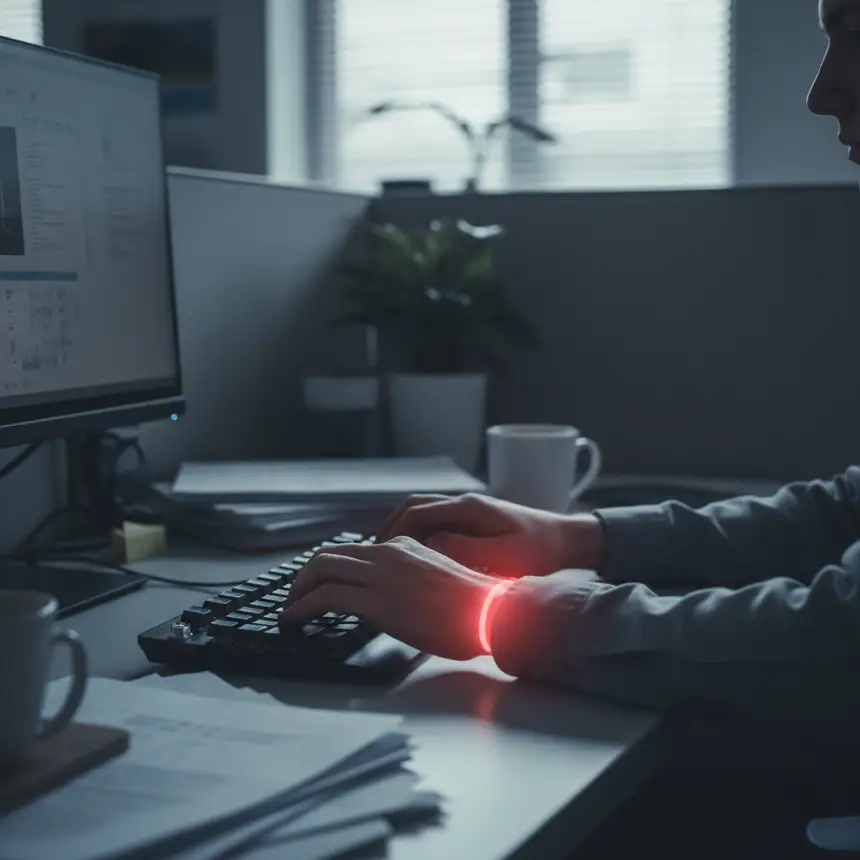
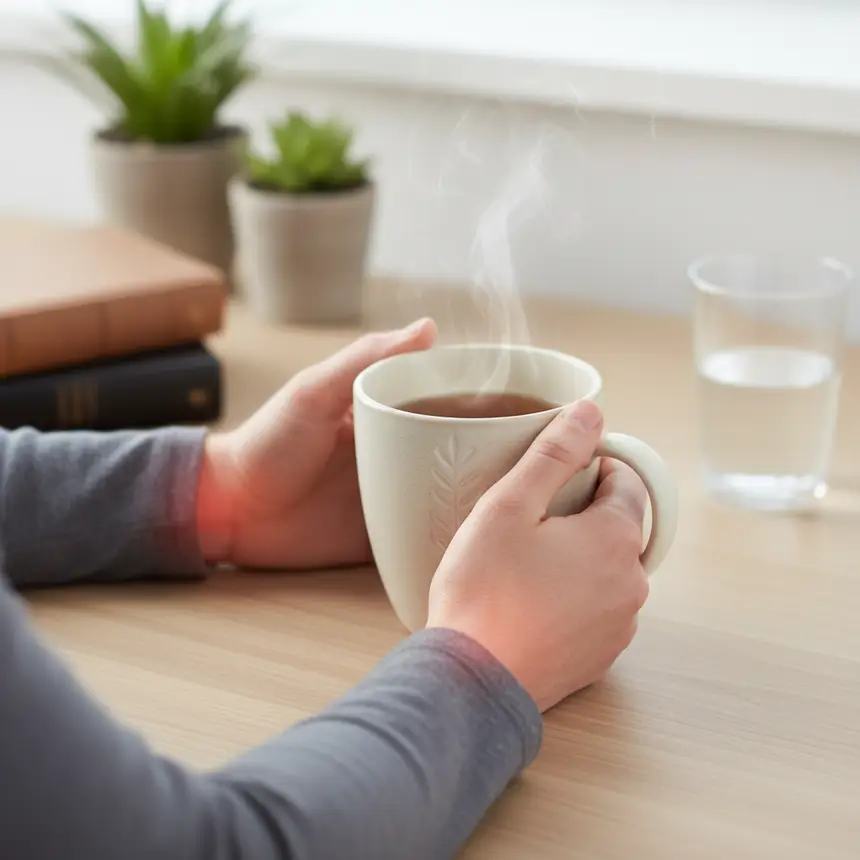
Struggling with heavy, swollen legs and poor circulation? This guide provides diet, exercise, and lifestyle solutions for optimal leg vein health. Discover how small daily changes can lead to lighter, more energetic legs and improved well-being.

Heavy, Swollen Legs at the End of the Day – Sound Familiar?
After a long day, many of us often feel a dull ache and heaviness in our legs. What started as light legs in the morning gradually begins to swell by the afternoon, leading to shoes feeling tight or prominent sock marks. These experiences are common, but they might be more than just simple fatigue; they could be important signals from our body. Especially if leg swelling is a recurring issue, it might indicate a subtle connection to venous health and circulatory challenges. Today, we'll explore the causes of this discomfort and delve into practical, everyday methods to maintain healthy legs. Remember, small changes can make a big difference. Let's begin our journey toward healthier, happier legs together.
Why Do Leg Swelling and Poor Circulation Happen?
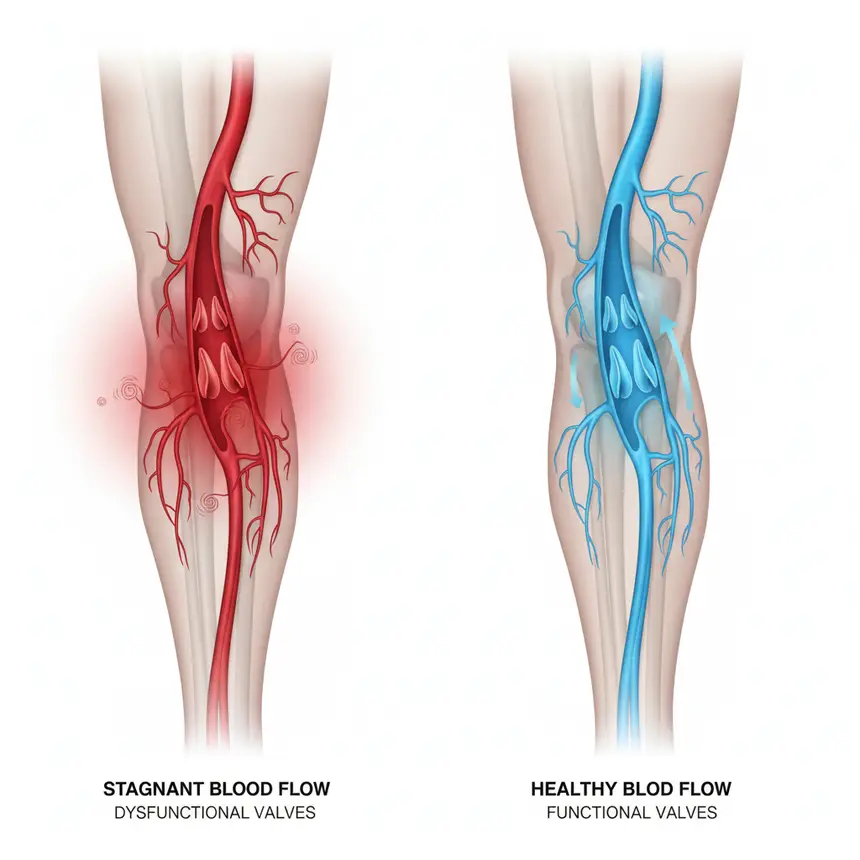
The fundamental reasons behind leg discomfort stem from the interplay of 'gravity' and 'venous circulation.' Our legs contain tiny valves that help prevent blood from flowing backward, against gravity, towards the heart. These valves act like one-way gates, ensuring blood flows in a single direction. However, prolonged standing or sitting, coupled with insufficient movement, can strain these valve functions, allowing blood to pool in the legs. Much like a river with a faulty dam where water continuously flows downstream, blood stagnating downwards can gradually increase pressure within the veins, becoming a primary factor leading to leg swelling and impaired circulation. Even without visible changes initially, the leg venous system might already be under stress. Frequent night cramps in the calves or a feeling of tightness around the ankles could be significant signs of sluggish venous circulation. Recognizing these changes early and starting appropriate management is the first step toward maintaining healthy legs.
※ This post contains affiliate links. I may earn a commission at no extra cost to you.


Key Lifestyle Solutions for Healthy Leg Veins
The most effective way to alleviate leg swelling and improve circulatory challenges is by re-evaluating and modifying our daily habits. It's not about grand gestures but consistent, small actions that contribute to healthier legs. We can make changes in three main areas:
1. Nutrient-Rich Diet: Certain nutrients support vascular health and fluid balance. Flavonoid-rich foods like berries, citrus fruits, and leafy greens can help strengthen blood vessel walls. Potassium-rich foods such as bananas, avocados, and sweet potatoes aid in expelling excess fluid from the body, and adequate hydration reduces blood viscosity, promoting smoother circulation.
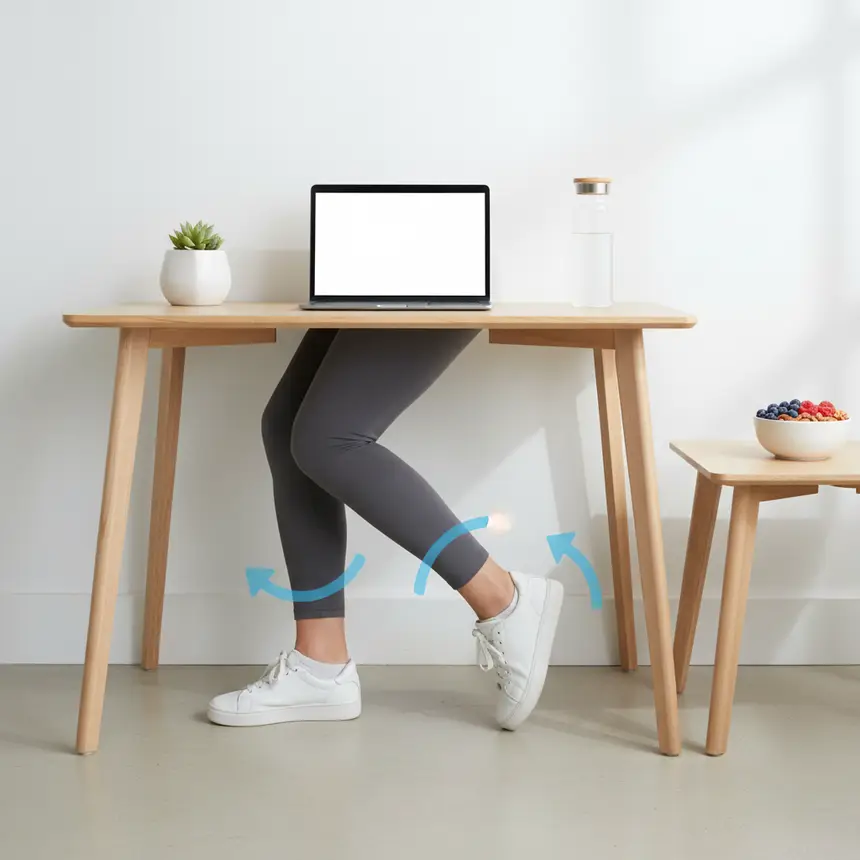
2. Active Movement: Leg muscles, especially the calf muscles, are often called the 'second heart.' This is because they play a vital role in pumping venous blood back up to the heart through contraction and relaxation. Engaging in low-impact aerobic exercises like walking, cycling, or swimming for at least 30 minutes daily significantly strengthens leg muscles and boosts circulation. Even when sitting or standing for long periods, frequently perform simple stretches like ankle rotations or calf raises.
3. Mindful Posture Management: It's crucial to avoid staying in one position for extended periods. If you have an office job, get up and walk around or stretch lightly every hour. Before bedtime, elevating your legs above heart level for 15-20 minutes can also be effective in reducing leg swelling.
1. Nutrient-Rich Diet: Certain nutrients support vascular health and fluid balance. Flavonoid-rich foods like berries, citrus fruits, and leafy greens can help strengthen blood vessel walls. Potassium-rich foods such as bananas, avocados, and sweet potatoes aid in expelling excess fluid from the body, and adequate hydration reduces blood viscosity, promoting smoother circulation.
2. Active Movement: Leg muscles, especially the calf muscles, are often called the 'second heart.' This is because they play a vital role in pumping venous blood back up to the heart through contraction and relaxation. Engaging in low-impact aerobic exercises like walking, cycling, or swimming for at least 30 minutes daily significantly strengthens leg muscles and boosts circulation. Even when sitting or standing for long periods, frequently perform simple stretches like ankle rotations or calf raises.
3. Mindful Posture Management: It's crucial to avoid staying in one position for extended periods. If you have an office job, get up and walk around or stretch lightly every hour. Before bedtime, elevating your legs above heart level for 15-20 minutes can also be effective in reducing leg swelling.
Crafting Your Daily Routine for Happier Legs
It's time to put knowledge into practice. Here's a sample daily routine for leg health; feel free to adjust it to fit your lifestyle.
Consistency is key to maintaining these habits. There's no need for perfection from day one. Implement one change at a time and find the optimal routine that works best for you.
- Morning: Start your day with gentle calf stretches and ankle rotations. Drink a glass of warm water to aid circulation and prepare a fiber and vitamin-rich breakfast.
- Morning/Afternoon: During work, stand up every hour for about 5 minutes to walk lightly or perform 10-15 calf raises. If you sit at a computer for extended periods, placing a small footrest under your desk to slightly elevate your legs can be beneficial. Opt for flavonoid-rich snacks like nuts or berries.
- Evening: After work, enjoy a brisk 30-minute walk. For dinner, reduce salt intake and focus on potassium-rich vegetables. Before going to bed, elevate your legs above your heart for about 15 minutes to relieve fatigue and swelling accumulated throughout the day. Wearing light compression stockings designed for sleep can also be helpful.
Consistency is key to maintaining these habits. There's no need for perfection from day one. Implement one change at a time and find the optimal routine that works best for you.
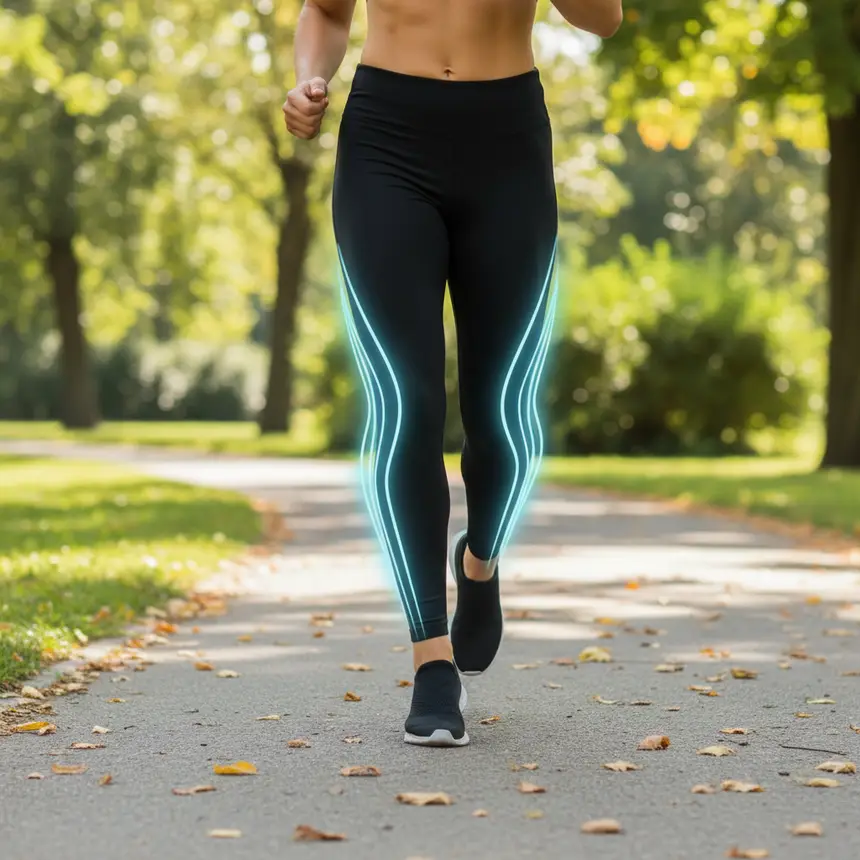
Embrace a Vibrant Life with Healthy Legs
Leg swelling and circulatory challenges often begin as minor discomforts but can significantly impact your quality of life in the long run. The small, everyday practices we've explored today are by no means difficult. A balanced diet, consistent exercise, and maintaining proper posture are the most potent tools for preserving leg health. Habits that activate your calf muscles and promote smooth blood flow will undoubtedly make heavy legs feel lighter and contribute to a more energetic day. Based on the information and routines presented in this article, develop your own personalized leg care plan. Consistent attention and effort will lead to healthy, lighter legs and, ultimately, overall well-being. Don't let heavy legs hold you back any longer; why not start making positive changes for your leg health today?
Frequently Asked Questions
Q. What foods are beneficial if I experience frequent leg swelling?
A. To alleviate leg swelling, it's beneficial to consume potassium-rich foods (bananas, avocados, sweet potatoes) and flavonoid-rich foods (berries, citrus fruits, leafy greens) that support vascular health. Also, ensuring adequate hydration to reduce blood viscosity and limiting sodium intake are important.
Q. What are some simple, effective exercises for improving leg circulation?
A. One of the most effective exercises is 'calf raises.' This involves repeatedly lifting and lowering your heels while standing, which strengthens calf muscles and helps pump blood back to the heart. Aerobic exercises like walking, cycling, and swimming are also great for circulation.
Q. Any tips for office workers who sit for long hours to manage leg health?
A. Make sure to get up every hour and walk around or stretch lightly for about 5 minutes. Simple movements like ankle rotations or heel raises are also good. Using a footrest under your desk to slightly elevate your legs can be helpful, and when sleeping, try to keep your legs elevated above your heart level.
Q. Can compression stockings help with severe leg swelling?
A. Yes, medical compression stockings can be effective in regulating pressure in the legs, reducing blood pooling, and aiding circulation. However, the compression level and wearing duration can vary depending on individual conditions, so it's best to consult a healthcare professional to choose the appropriate product.