Understand your child's Influenza B symptoms, navigate the recovery process, and manage common post-flu complications like calf muscle pain. Essential guidance for parents.

The Unexpected Guest: Influenza B and Your Child
Imagine waking up in the middle of the night to a child whose forehead feels unusually warm. A quick check with the thermometer confirms your fears: a temperature soaring past 102°F (39°C). This isn't just a common cold; it's a sudden, intense fever that signals something more serious might be at play. Despite administering fever reducers, the temperature barely budges, leaving your child weak, achy, and utterly miserable. This abrupt onset of high fever, often accompanied by body aches, is a tell-tale sign that your little one might be battling Influenza B. Such an unwelcome visitor can quickly disrupt household routines and bring significant worry to parents.
Understanding Influenza B: What Makes It Different?
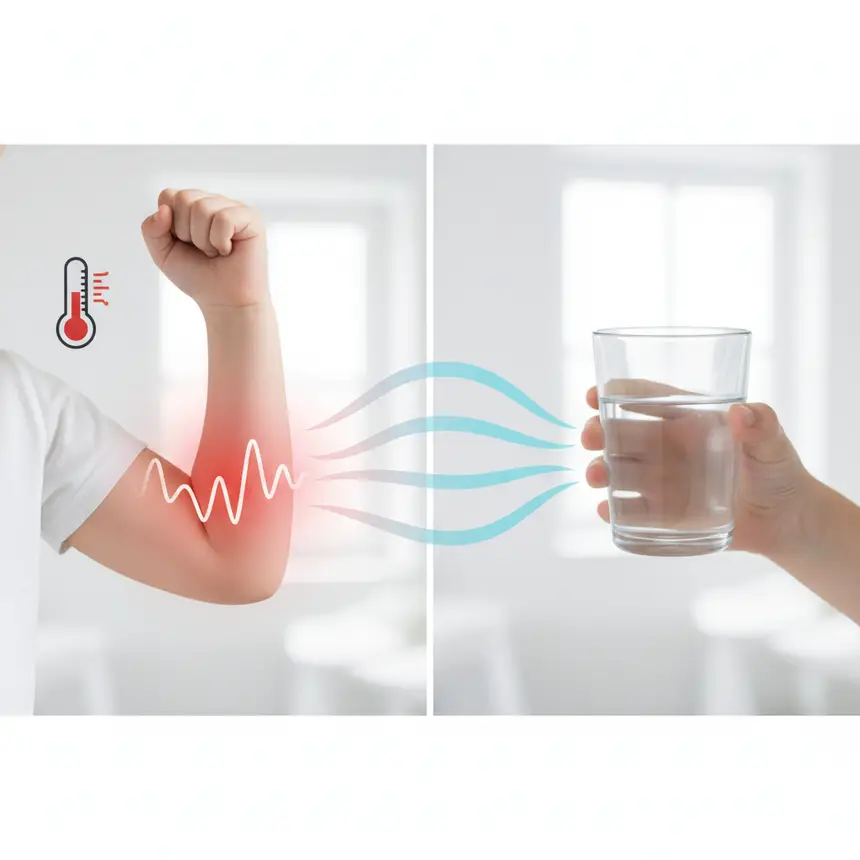
While both the common cold and influenza B involve respiratory symptoms, their presentation often differs significantly. Influenza B typically manifests with a rapid onset of high fever, often ranging from 101°F to 104°F (38.5-40°C), accompanied by severe muscle aches in the arms and legs, headaches, and sometimes even eye pain. Children may express feeling "all over achy" and experience a dramatic loss of appetite. Unlike many colds, severe coughing might not be prominent, but nasal congestion and thick mucus are common. Interestingly, abdominal pain is also a frequently reported symptom of Influenza B, which can be particularly distressing for children. Early intervention is crucial; seeking medical advice within 48 hours of symptom onset is generally recommended, as antiviral medications can help shorten the duration and reduce the severity of the illness during this critical window.
※ This post contains affiliate links. I may earn a commission at no extra cost to you.

Effective Home Management for Your Child's Flu Recovery
Supporting your child through an Influenza B infection primarily revolves around promoting rest and ensuring adequate hydration. It's essential to minimize physical activity and encourage plenty of sleep while the fever persists. Offering fluids like plain water, diluted fruit juice, or electrolyte solutions can help prevent dehydration, which is critical during a high fever. For children who've lost their appetite, don't force large meals. Instead, offer small, frequent servings of easy-to-digest foods like broth, soft fruits, or even their favorite simple snacks. Managing fever is also paramount; use over-the-counter fever reducers as directed by a healthcare professional and consider tepid sponge baths to provide comfort. Remember, to prevent further spread, children should typically remain home from school or daycare until they've been fever-free for at least 24 hours without the use of fever-reducing medication.

The Lingering Effect: Post-Flu Calf Muscle Pain
As the acute symptoms of influenza B subside and your child begins to regain energy, an unexpected side effect can sometimes emerge: calf muscle pain. Children might complain that their "legs hurt" or describe their calves as feeling "tight" or "stiff," often leading to a limping gait or difficulty walking. This phenomenon is believed to result from a temporary inflammatory response in the muscles due to the viral infection. The pain is typically more pronounced when standing or walking but less so when resting. Fortunately, this post-flu myalgia is usually self-limiting, resolving within a few days to a week. Gentle massage and warm compresses can offer comfort and help alleviate the discomfort. If pain is severe, consulting a healthcare provider for advice on appropriate over-the-counter pain relief for children might be an option. Witnessing your child in discomfort can be distressing, but rest assured that most cases of Influenza B, including its after-effects, resolve well with proper care and patience.
Frequently Asked Questions
Q. How soon can my child return to school or daycare after an Influenza B diagnosis?
A. Generally, a child can return once they have been fever-free for at least 24 hours without the use of fever-reducing medication. However, always check with your pediatrician or school policy for specific guidelines.
Q. My child with Influenza B has no appetite. What should I do?
A. Loss of appetite is common. Focus on offering small, frequent amounts of easily digestible foods like broth, soft fruits, or favorite liquids. Ensuring adequate hydration is more critical than full meals during this period.
Q. How long does post-flu calf muscle pain typically last in children?
A. Post-flu calf muscle pain usually resolves within a few days to a week. Gentle massage and warm compresses can provide relief during this time. If the pain is severe or prolonged, consult a healthcare provider.
Q. What are the key differences between the flu and a common cold in children?
A. The flu typically has a more sudden onset with high fever, significant body aches, headaches, and overall fatigue, whereas a cold's symptoms are generally milder and develop more gradually, often with more sneezing and runny nose.