Struggling with monthly menstrual cycle pain? Understand the causes of period discomfort that disrupt daily life and discover effective management tips you can practice at home to improve your quality of life.

The Monthly Burden: How Menstrual Pain Impacts Daily Life
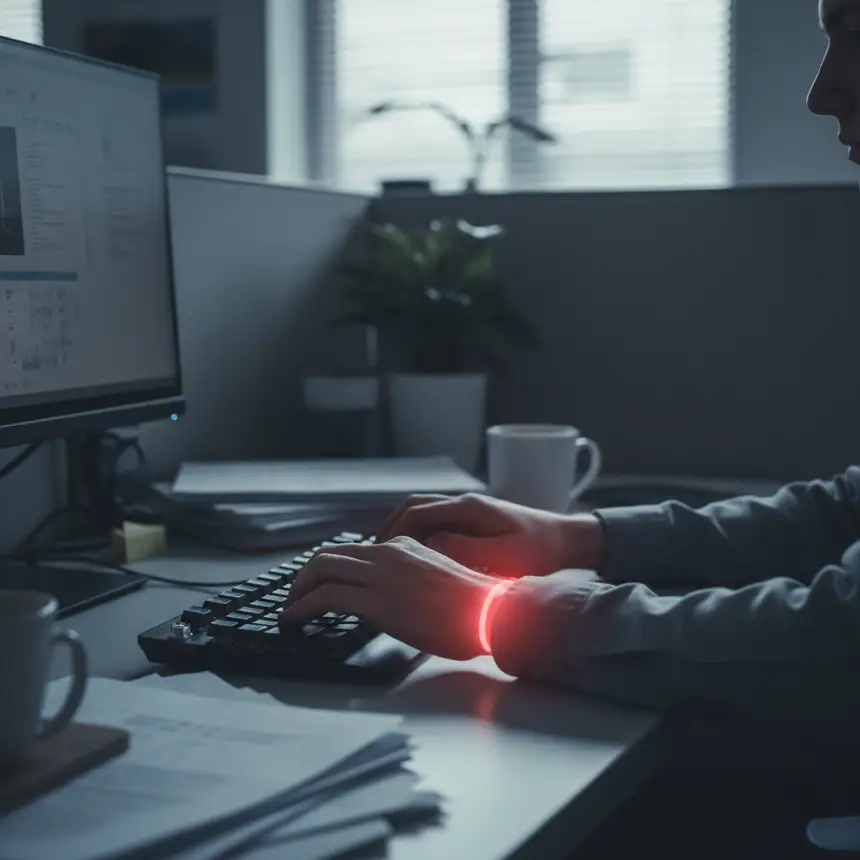
For many women, the approach of a certain time each month feels like an impending shadow of discomfort. From intense cramping in the lower abdomen to aching in the lower back and pelvis, heavy legs, and even profound fatigue and brain fog, menstrual cycle pain manifests in various ways that can severely disrupt daily life. This discomfort isn't just a minor inconvenience; it can lead to canceling important plans, decreased productivity at work, and even giving up favorite activities. While it's a deeply personal experience, it's certainly not something you have to endure alone. Because it's such a common symptom, many tend to dismiss it as 'just how things are,' pushing through the pain. However, persistent discomfort can be a crucial signal from your body. It's time to take proactive steps to manage menstrual pain, reclaim your valuable time, and enhance your quality of life.
Understanding the Underlying Mechanisms of Menstrual Cycle Pain
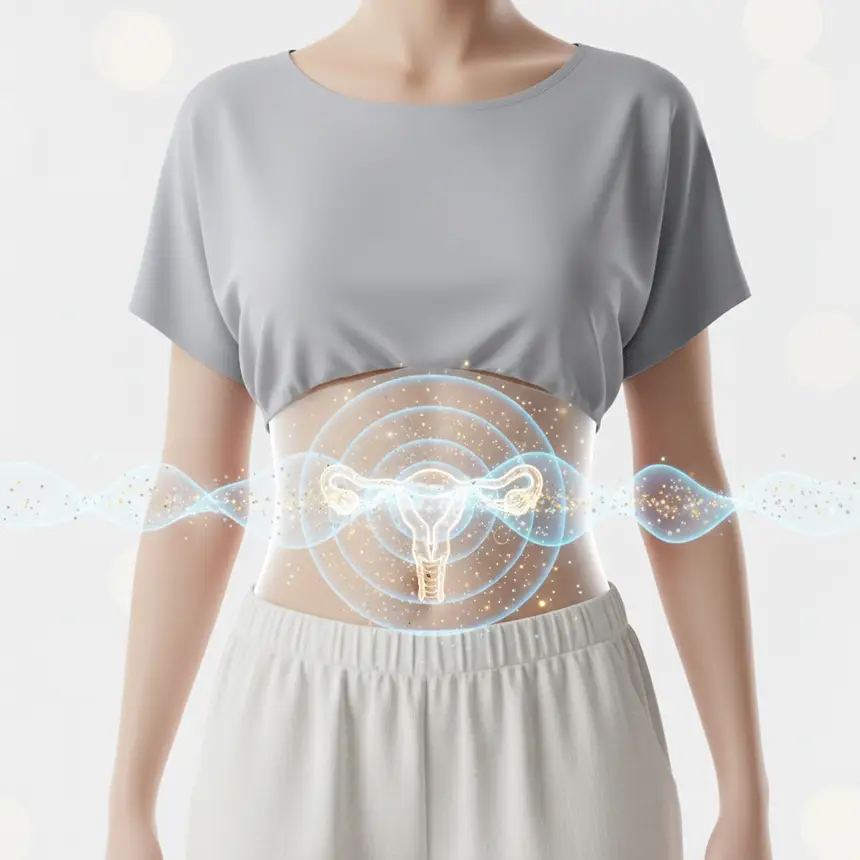
Menstrual pain primarily arises from the natural contractions of the uterus. As menstruation begins, the uterine lining releases increased amounts of a substance called prostaglandins. These prostaglandins stimulate the uterine muscles to contract, helping the uterine lining shed and exit the body. When prostaglandin levels are excessively high or uterine contractions are particularly strong, blood flow to the area can become temporarily restricted, leading to reduced oxygen supply and intensified pain. This mechanism is somewhat similar to the muscle soreness experienced after an intense workout. Most menstrual pain falls under 'primary dysmenorrhea,' meaning it occurs without any specific underlying medical condition. However, sometimes pain can be caused by gynecological issues like uterine fibroids or endometriosis, known as 'secondary dysmenorrhea.' If the nature of your pain changes, or if it becomes severe and unmanageable even with pain relievers, seeking professional advice to accurately identify the cause is important. For a healthy menstrual cycle, it's essential to assess your body's overall balance and circulatory health.
※ This post contains affiliate links. I may earn a commission at no extra cost to you.

Practical Approaches for Menstrual Discomfort Relief at Home
There are numerous strategies you can implement in your daily life to alleviate menstrual discomfort and experience a more comfortable cycle. Instead of relying solely on medication, try methods that support your body's natural healing abilities.
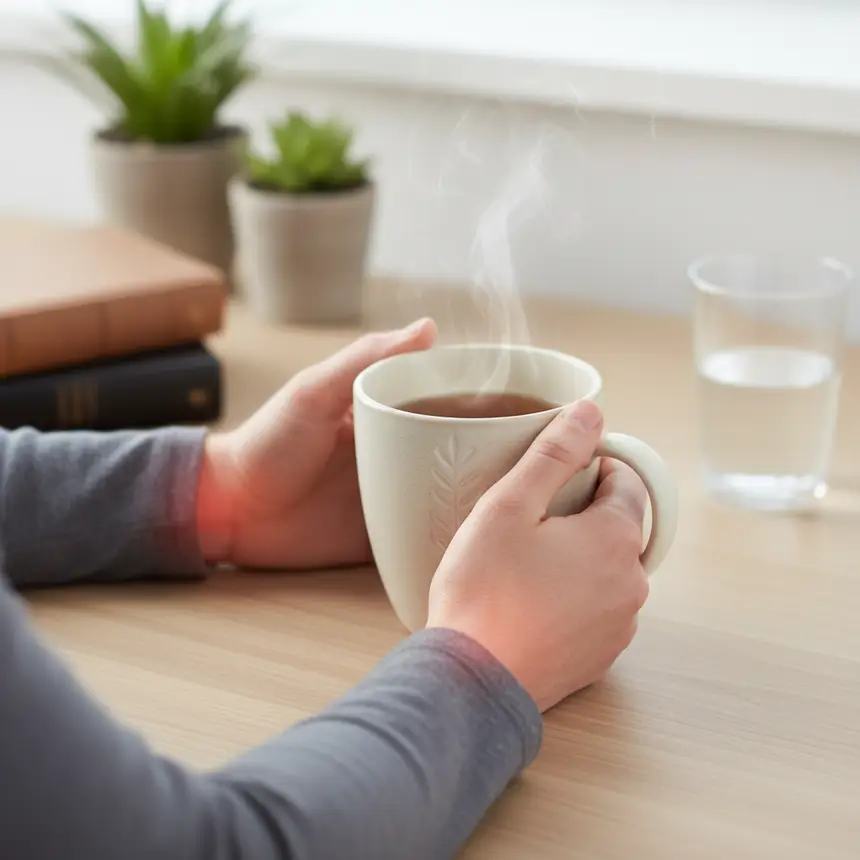
- Warm Compresses: Applying a warm compress to your lower abdomen or lower back can boost blood circulation and relax muscles, effectively reducing pain.
- Nutrient-Rich Diet: Incorporating foods rich in omega-3 fatty acids (nuts, fatty fish), magnesium (leafy greens, legumes), and B vitamins (whole grains, lean meats) can help regulate inflammatory responses and support muscle function, aiding in pain relief. It's advisable to reduce intake of processed foods, excessive caffeine, and sugar.
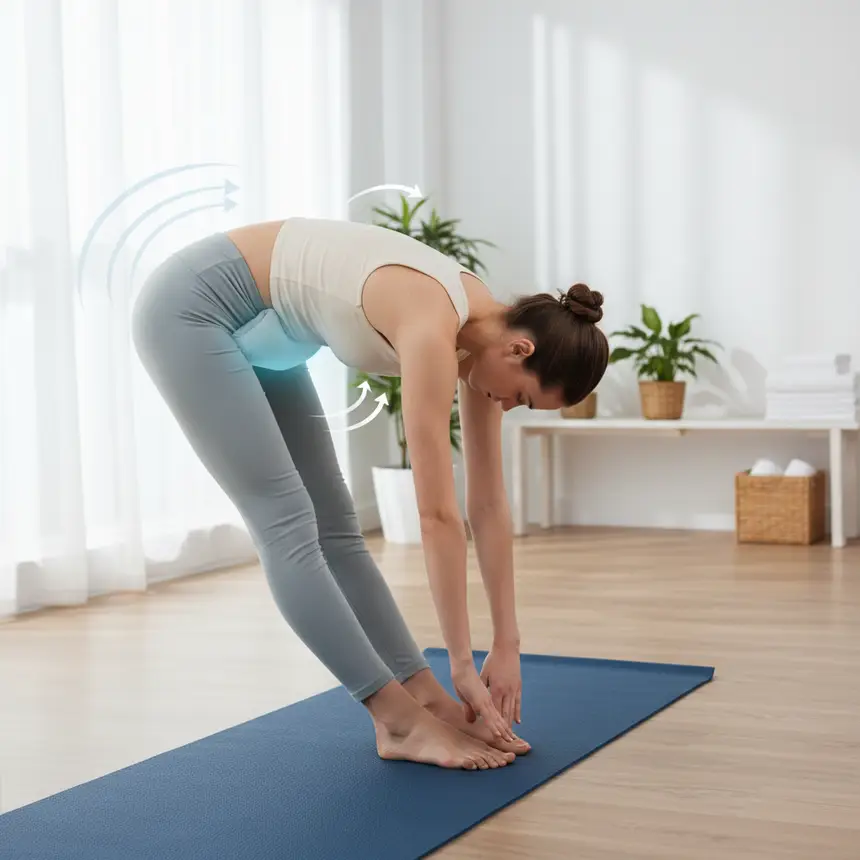
- Gentle Movement: Light aerobic exercises such as stretching, yoga, or walking can improve blood flow and stimulate endorphin release, contributing to pain reduction. Opt for activities that feel comfortable rather than strenuous.
- Adequate Rest and Stress Management: Lack of sleep and high stress levels can exacerbate menstrual pain. It's crucial to relax your mind and body through practices like meditation, deep breathing exercises, and ensuring sufficient sleep.
Listen to Your Body: An Investment in Long-Term Menstrual Health
Menstrual pain is not merely 'a natural suffering that women endure.' While its intensity and manifestation can vary individually, if your menstrual pain is severe enough to interfere with your daily life, it could be a critical warning sign from your body. Simply enduring the pain or relying solely on temporary pain relievers is unlikely to provide a fundamental, long-term solution. It is especially wise to seek professional advice if you notice changes such as irregular cycles, a sudden increase in bleeding, or a shift in the intensity or duration of your pain. A deep understanding of your body and consistent self-care are vital foundations for lifelong female health. Instead of being exhausted by monthly discomfort, we hope you can actively seek out management strategies that work for you, reclaiming a healthy and vibrant daily life.
Frequently Asked Questions
Q. Why do I experience menstrual pain?
A. Menstrual pain is primarily caused by prostaglandins, substances released from the uterine lining, which trigger uterine contractions. Stronger contractions or higher prostaglandin levels can intensify the pain. Sometimes, underlying uterine conditions can also be a cause.
Q. Besides pain relievers, what home remedies can help with menstrual pain?
A. Warm compresses, a healthy diet rich in magnesium and omega-3s, gentle stretching or yoga, adequate sleep, and stress management can be beneficial. These methods help improve blood circulation and promote muscle relaxation to reduce pain.
Q. What warning signs should I look out for if my menstrual pain is severe?
A. If pain relievers don't alleviate the pain, if the pain worsens progressively or lasts longer, or if there are significant changes in your menstrual cycle or bleeding patterns, it could indicate secondary dysmenorrhea. In such cases, it's advisable to consult a healthcare professional for diagnosis.
Q. Does diet affect menstrual pain?
A. Yes, diet can influence menstrual pain. It's best to reduce inflammatory foods, excessive sugar, and caffeine. Instead, focus on an anti-inflammatory diet rich in omega-3s, magnesium, and B vitamins, found in fresh vegetables and whole grains.
Q. What long-term lifestyle habits can help manage menstrual pain?
A. Regular sleep, appropriate exercise, a balanced diet, and stress management are crucial. These lifestyle habits help maintain hormonal balance and enhance overall physical health, aiding in the long-term management and prevention of menstrual pain.