Struggling with weight loss despite your best efforts? It's often not about willpower, but rather understanding your body's unique metabolic health and body type. Discover personalized strategies for lasting weight management success.

Why Isn't My Weight Changing Despite My Efforts? It's More Than Just Willpower
Many individuals find themselves frustrated, consistently putting in effort with diet and exercise, yet seeing little to no change on the scale. It's crucial to understand that this struggle isn't merely a matter of lacking willpower. Global health statistics indicate a continuous rise in adult obesity prevalence, highlighting that a significant portion of the population grapples with weight challenges.Our bodies, in fact, use a substantial amount of daily calorie intake approximately 65% for basal metabolism, simply to keep us functioning. For instance, if you consume 2,000 kcal a day, roughly 1,300 kcal is utilized just for maintaining vital bodily processes. The calories burned through exercise only represent a fraction of our total energy expenditure. Therefore, weight fluctuations are often more influenced by an individual's metabolic environment and unique physiological characteristics rather than solely by dietary restrictions or workout intensity. Recent studies showing a 1.6 to 2.6-fold increase in certain obesity stages over the past decade suggest that this isn't just about eating more, but about fundamental shifts in our metabolic structures. Recognizing that your current weight management difficulties might stem from an internal metabolic imbalance, rather than a lack of effort, and committing to a deeper understanding of your own body, can be the critical first step.
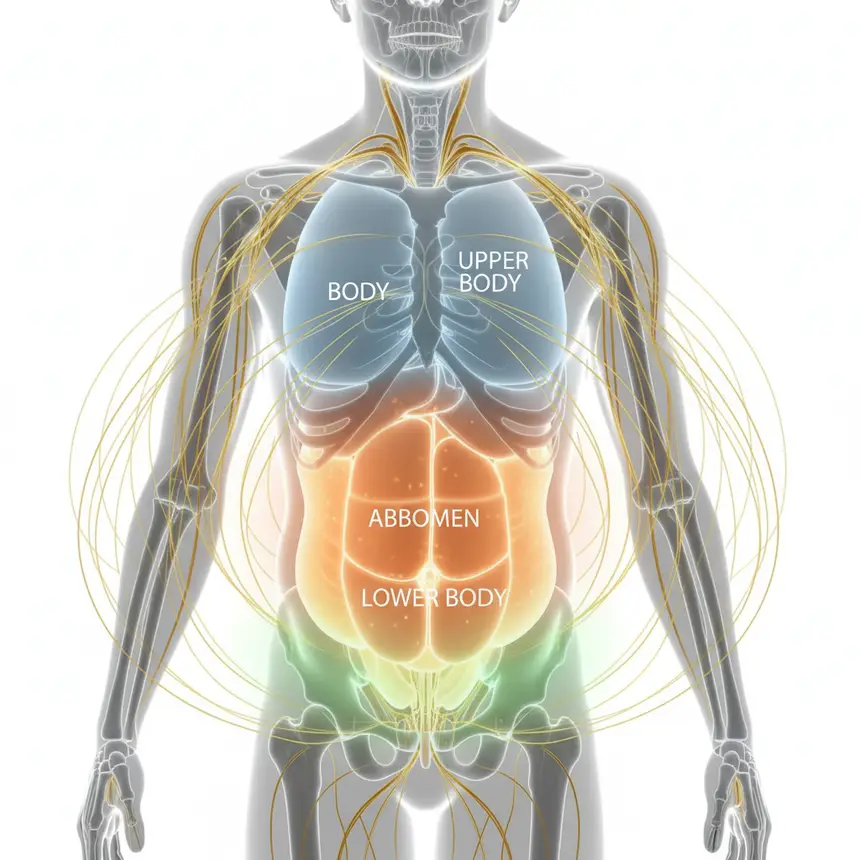
The Foundation of Personalized Approaches: Understanding Your Body's Unique Profile and Metabolism
For effective weight management, it's essential to move beyond generic diet trends or workout routines and first grasp your unique body profile and metabolic tendencies. The same methods can yield drastically different results depending on an individual's physiological state. Traditional health philosophies often categorize human bodies into distinct types, suggesting that each type gains weight and accumulates fat in different ways and locations. For example, some individuals might have a robust capacity to absorb and store energy but a less efficient system for expenditure, leading to easy fat accumulation, particularly around the abdomen. Others might have excellent digestion but are prone to emotional eating, often resulting in fat distribution in the upper body. Those with slower metabolism and weaker digestive functions might experience fat gain predominantly in the lower body. Specific body types account for a significant portion of the obese population—one type making up around 50%, while others account for approximately 18% and 5% respectively—underscoring distinct weight gain patterns associated with these profiles. Knowing where and how your body tends to store fat is a crucial starting point for designing a truly personalized weight management strategy. By carefully observing your eating habits and body shape, you can gain initial insights into your potential metabolic tendencies or constitutional characteristics, paving the way for a tailored approach.
※ This post contains affiliate links. I may earn a commission at no extra cost to you.

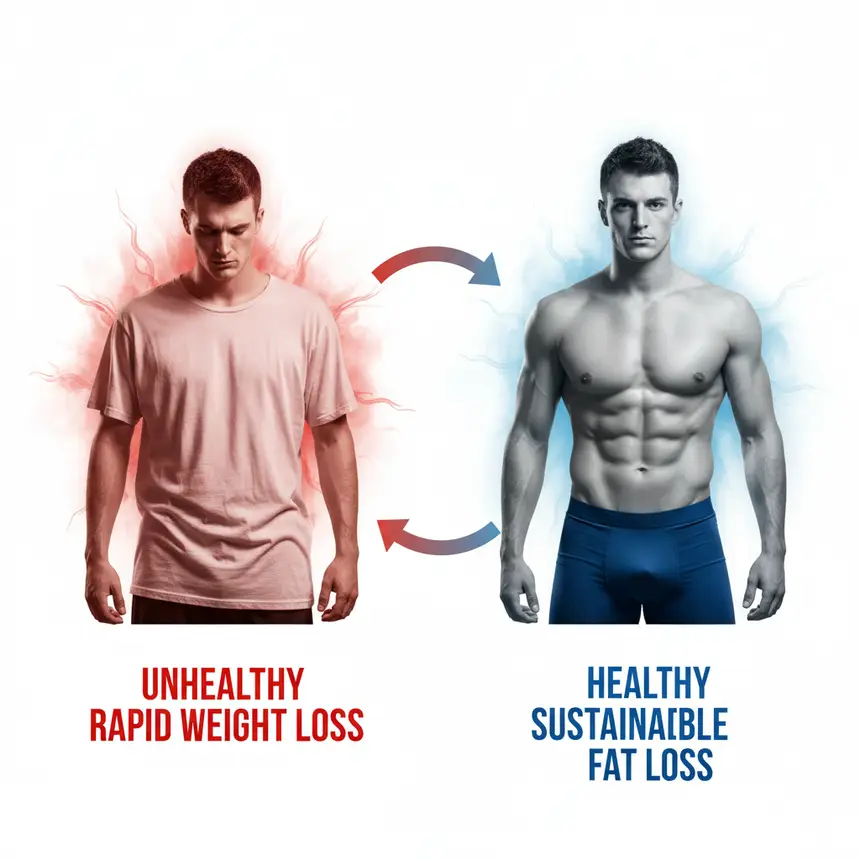
Strategic Fat Reduction with Muscle Preservation and the Importance of Long-Term Maintenance
Once your individual body profile and metabolic characteristics are understood, the next step is to devise a strategy that effectively reduces body fat while minimizing muscle loss. Focusing solely on dropping numbers on the scale through aggressive calorie restriction can paradoxically lead to muscle breakdown before fat loss. Since muscle mass is a key determinant of your basal metabolic rate (BMR), losing muscle can decrease your BMR by up to 45%. This creates a vicious cycle where your body becomes more prone to gaining weight, even with reduced food intake. Effective weight management requires a personalized plan that considers factors like digestive function, water metabolism, circulation, hormonal balance, BMR, and any existing health conditions or medications. The emphasis should be on sustainable, health-promoting outcomes rather than just short-term weight reduction. Furthermore, the maintenance phase after initial weight loss is a critical, often overlooked component for long-term success. One study observed that many successful weight loss participants experienced a rebound, or 'yo-yo effect,' over time. This typically occurs when individuals revert to old habits without allowing their bodies sufficient time to fully adapt and stabilize to their new, lower weight. Implementing a three-stage approach—reduction, maintenance, and observation—provides the necessary period for your body to adjust to its new set point, which is key to preventing weight regain. Prioritizing muscle preservation and building a robust maintenance plan is far more beneficial than pursuing rapid, unsustainable weight loss.

Daily Habits for Lasting Change: Sustaining a Healthy Lifestyle
The secret to successful weight management isn't found in short-term fixes, but in consistently upholding healthy lifestyle habits. A balanced diet means not just eliminating certain foods, but ensuring a diverse intake of nutrients for overall equilibrium. Consistent physical activity, tailored to your fitness level, is vital for energy expenditure and maintaining muscle mass. Furthermore, adequate and quality sleep significantly influences appetite-regulating hormones, helping to prevent overeating. Managing excessive stress is also crucial, as stress can directly trigger patterns of binge or overeating. Research indicating that a significant portion of respondents (61%) feel societal pressure and discrimination related to weight shows that weight issues extend beyond the physical, impacting psychological well-being. Therefore, understanding your body profile and metabolic tendencies, strategizing to reduce body fat while preserving muscle, and committing to a sufficient maintenance period after weight loss are three fundamental principles for sustained weight management. This integrated approach goes beyond temporary weight loss, forming a solid foundation for overall health improvement and a vibrant life. We hope this information provides practical assistance for your healthy journey. Start with small, manageable habits, like maintaining consistent meal times and ensuring adequate protein and vegetable intake with each meal.
Frequently Asked Questions
Q. Why does weight loss feel so challenging, even with diet and exercise?
A. Weight loss difficulties often stem from complex factors beyond just willpower, including an individual's basal metabolic rate, unique body type, and hormonal balance. Understanding your body's energy usage and fat storage patterns is key.
Q. How does 'body type' influence weight management?
A. Body type can affect how your body absorbs and expends energy, and where it tends to store fat. Knowing your type allows for a more tailored approach to diet, exercise, and lifestyle habits, leading to more effective management.
Q. Is it possible to lose body fat without losing muscle mass?
A. Yes, by prioritizing sufficient protein intake and incorporating regular strength training, you can preserve muscle mass. This helps maintain your basal metabolic rate, which is crucial for long-term healthy weight management.
Q. Why is the 'maintenance phase' so important after losing weight?
A. The maintenance phase gives your body time to adapt and stabilize to its new, lower weight. Neglecting this phase often leads to the 'yo-yo effect' due to a lowered metabolism when returning to previous habits.
Q. What daily habits can support sustainable weight management?
A. A balanced diet, consistent physical activity, adequate sleep, and stress management are essential. Small, consistent lifestyle changes contribute significantly to maintaining a healthy weight and overall well-being long-term.