The small intestine is vital for digestion and immunity. Discover essential dietary choices and lifestyle habits to maintain a healthy small intestine and boost overall well-being.

The Unsung Hero: Understanding the Importance of Your Small Intestine
Often overlooked, the small intestine is a powerhouse organ critical to our overall health and vitality. Stretching approximately 20 feet, this lengthy tube is not just a conveyor belt for food; it’s where the magic of digestion truly happens, breaking down meals and absorbing vital nutrients that fuel every cell in your body. When your small intestine isn't functioning optimally, even the most nutritious diet can fall short, leading to nutrient deficiencies and a general decline in well-being. Furthermore, a staggering 70% of your body's immune cells reside in your gut, making small intestine health directly synonymous with a robust immune system. Issues like indigestion, abdominal discomfort, and persistent bowel troubles can often be traced back to an unhealthy small intestine. Prioritizing its care is fundamental for maintaining energy, immunity, and comfort in daily life.
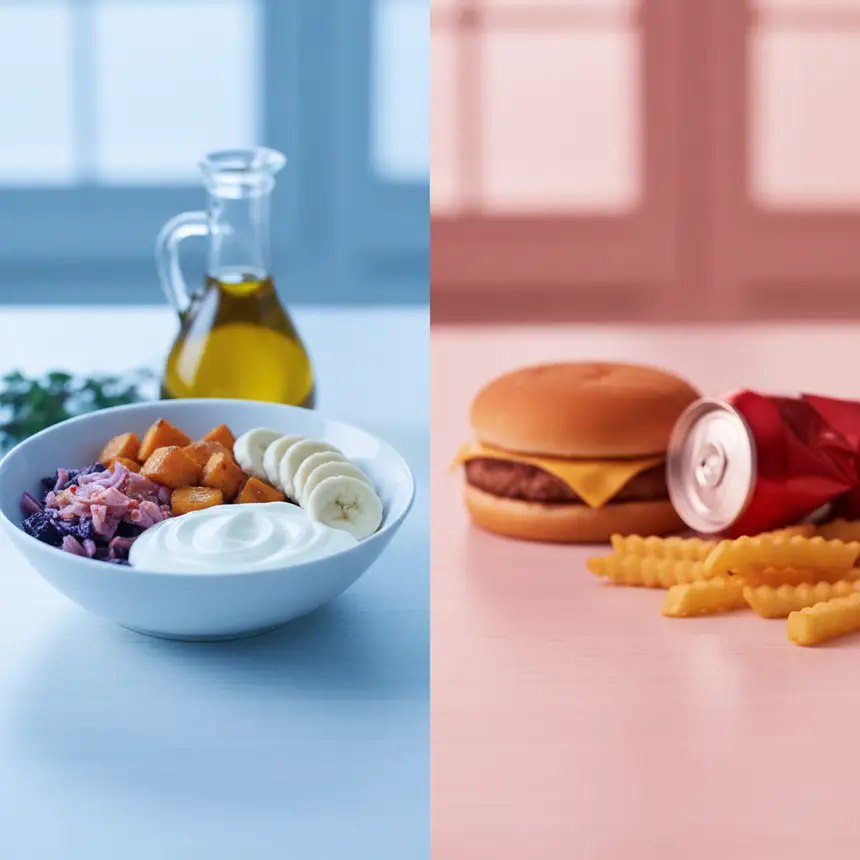
Fueling Your Gut: Dietary Choices for a Thriving Small Intestine
Nourishing your small intestine effectively means embracing foods that promote a balanced gut microbiome and reduce inflammation. Incorporate fermented foods rich in probiotics, like unsweetened yogurt or naturally fermented sauerkraut, which introduce beneficial bacteria to enhance digestion and improve the gut environment. Prebiotic-rich options such as bananas and sweet potatoes provide essential fuel for these good bacteria, helping them thrive and strengthen your intestinal lining. Healthy fats, like those found in olive oil, can help lubricate the digestive tract and potentially soothe inflammation in the small intestine. Conversely, certain foods can undermine your gut health. Highly processed items such as fast food, instant meals, and heavily processed meats often contain additives and unhealthy fats that can burden digestion, increase harmful bacteria, and trigger inflammation. Sugary beverages, including most sodas, contribute to gut gas and can disrupt digestive harmony, so they are best limited. While lean protein is important, excessive consumption of red meat can lead to an increase in putrefactive bacteria in the gut, potentially impairing small intestine function. A balanced, mindful approach to eating is key.
※ This post contains affiliate links. I may earn a commission at no extra cost to you.


Nurturing Your Gut: Everyday Habits for Long-Term Intestinal Wellness
Achieving and maintaining a healthy small intestine extends beyond just diet; it's deeply intertwined with your daily lifestyle choices. Establishing a regular eating schedule is paramount. Consuming meals at consistent times helps regulate your digestive system and optimize the release of digestive enzymes. Hydration is another crucial, yet often overlooked, factor. Drinking adequate water—around 1.5 to 2 liters daily—facilitates the smooth passage of food through the small intestine, aids waste elimination, and ensures digestive enzymes function efficiently. Incorporating gentle physical activity into your routine, such as a daily walk or yoga practice, can also significantly benefit your gut. These movements stimulate bowel activity, supporting digestion and helping to prevent constipation. Lastly, effective stress management is vital. Chronic stress can negatively impact your gut microbiome and impair digestive function. Engaging in calming activities like meditation, pursuing hobbies, or simply taking time for yourself can alleviate stress, thereby fostering a more harmonious internal environment for your small intestine. Small, consistent efforts in these areas pave the way for a healthy gut and contribute significantly to your overall well-being.
Frequently Asked Questions
Q. Why is small intestine health so crucial for overall well-being?
A. The small intestine is the primary site for nutrient absorption and hosts about 70% of the body's immune cells. A healthy small intestine supports proper nutrient uptake, strong immunity, efficient digestion, and can even impact skin health and mood.
Q. What are some top foods to incorporate for a healthier small intestine?
A. Fermented foods like yogurt and sauerkraut, prebiotic-rich foods such as bananas and sweet potatoes, and healthy fats like olive oil are excellent choices. They provide beneficial bacteria, their fuel, and support a healthy gut lining.
Q. Are there specific foods I should avoid to protect my gut health?
A. It's best to limit highly processed foods, sugary drinks, instant meals, and excessive amounts of red meat. These can contribute to gut inflammation, disrupt the balance of gut bacteria, and hinder proper digestion.
Q. Besides diet, what lifestyle changes can support my small intestine?
A. Regular meal times, ample hydration (1.5-2 liters of water daily), gentle exercise like walking or yoga, and effective stress management through activities like meditation or hobbies are all crucial for a healthy gut.
Q. How much water should I drink daily for optimal gut function?
A. Aim for approximately 1.5 to 2 liters (about 6-8 glasses) of water per day. Adequate hydration helps food move smoothly through the digestive tract, aids in nutrient absorption, and supports the efficient removal of waste.