Explore effective strategies for adult ADHD symptoms like poor focus and emotional outbursts. Discover practical management guidelines for optimizing brain function through lifestyle, nutrition, and mindfulness.

Is It More Than Just Stress? Unpacking Adult ADHD Symptoms
Do you often find yourself zoning out during crucial tasks, even after a full night's sleep? Or perhaps you've noticed your emotions flaring up over minor annoyances, making it difficult to maintain calm relationships? For many adults balancing demanding careers and family life, persistent struggles with focus and emotional regulation can be more than just signs of fatigue or stress. These challenges can significantly impact daily efficiency and overall well-being. It's common for individuals facing these unexpected difficulties to wonder, 'Could this be adult ADHD?' This isn't a sign of laziness or irresponsibility, but rather a natural progression towards understanding that our brains might operate with unique neurological characteristics. Recognizing that certain aspects of brain function, especially those related to executive control and emotional responses, aren't simply a matter of willpower, is a crucial first step towards effective self-management. Embracing this perspective allows for a more informed and compassionate approach to improving cognitive performance and emotional stability.
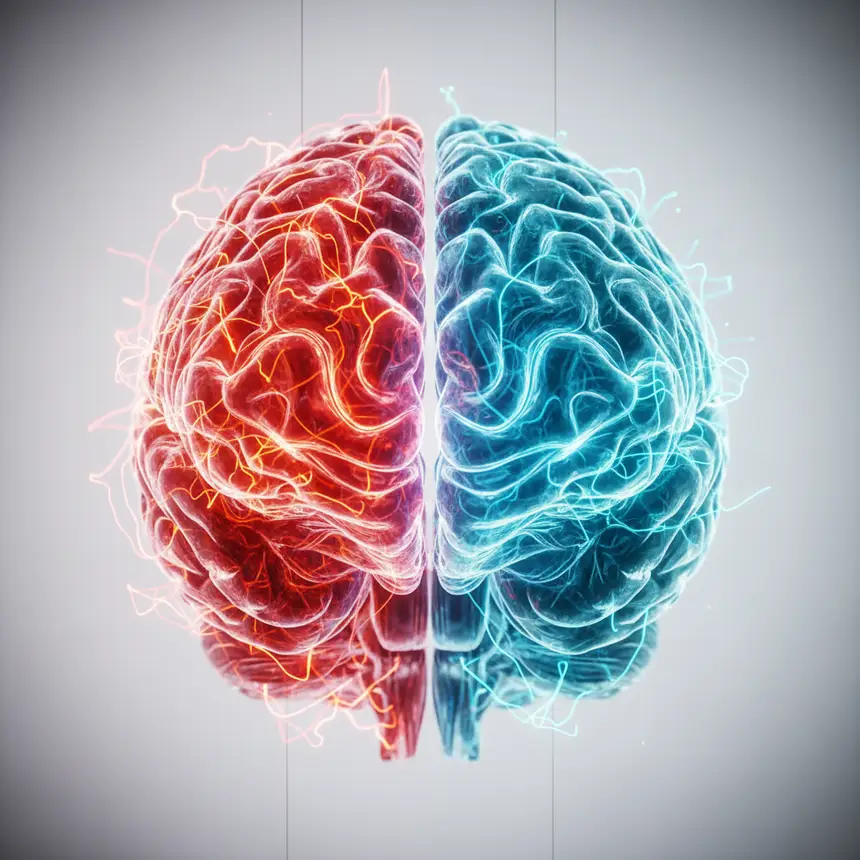
Understanding Brain's Neurological Traits: Focus and Emotional Regulation
Our ability to focus and manage emotions is intricately linked to specific regions within the brain. The prefrontal cortex, for instance, is vital for higher-level cognitive functions like planning, decision-making, and impulse control. Meanwhile, the amygdala plays a critical role in processing emotional responses and recognizing stress. Difficulties with sustained attention and regulating anger in adults often stem from the unique functional characteristics of these brain areas. It's not about a lack of effort or discipline; rather, it can be understood as a difference in how the brain processes information and reacts to emotional stimuli.
Each individual's brain possesses a distinct neurological rhythm. Some individuals may exhibit 'hyperarousal,' reacting with heightened anxiety and sensitivity to even minor triggers. Others might experience 'hypoarousal,' struggling to maintain focus and easily drifting into a spaced-out state. Research suggests that the balance of neurotransmitters related to attention can vary from person to person, influencing these distinct patterns of focus and emotional response. Grasping these neurological traits is fundamental to understanding oneself better and developing effective, tailored management strategies. In essence, comprehending how your unique brain operates is the starting point for effective self-care.
Each individual's brain possesses a distinct neurological rhythm. Some individuals may exhibit 'hyperarousal,' reacting with heightened anxiety and sensitivity to even minor triggers. Others might experience 'hypoarousal,' struggling to maintain focus and easily drifting into a spaced-out state. Research suggests that the balance of neurotransmitters related to attention can vary from person to person, influencing these distinct patterns of focus and emotional response. Grasping these neurological traits is fundamental to understanding oneself better and developing effective, tailored management strategies. In essence, comprehending how your unique brain operates is the starting point for effective self-care.
※ This post contains affiliate links. I may earn a commission at no extra cost to you.


Practical Strategies for Optimizing Brain Function and Emotional Control
To enhance your brain's ability to focus and regulate emotions, it's essential to adopt a holistic approach by incorporating various practical strategies into your daily life. The key is to build consistent lifestyle habits that support healthy brain function, rather than relying on just one or two isolated methods.
1. Maintain a Consistent Lifestyle Rhythm: Quality sleep is non-negotiable for brain recovery and function. Aim for a regular bedtime and wake-up schedule. Additionally, minimize overstimulation from excessive smartphone use or irregular work hours, which can lead to an overactive nervous system.
2. Embrace Balanced Nutrition: Fueling your brain with essential nutrients is paramount. Incorporate foods rich in Omega-3 fatty acids, such as salmon and walnuts, along with a colorful array of fresh vegetables and fruits. These provide the necessary energy for brain function and help protect neural cells. Some studies indicate that specific nutrients can assist in modulating stress responses and supporting neural stability.
3. Practice Mindfulness and Cognitive Training: Techniques like meditation and deep breathing exercises can help you recognize and navigate emotional fluctuations. Furthermore, engaging in specific cognitive training programs or brain-stimulating puzzles can positively impact attention span and executive functions. Dedicate even just 10 minutes a day to fully focusing on the present moment.
4. Incorporate Regular Exercise: Consistent aerobic exercise boosts blood flow to the brain and promotes the release of neurotrophic factors, thereby improving overall brain function. Even a brisk walk or light jogging can make a difference. Exercise is also highly effective for stress relief and mood elevation.
By consistently applying these practical strategies, you can develop a better understanding and control over your brain's neurological rhythms. The most crucial aspect is finding methods that suit your individual traits and sticking with them over time.
1. Maintain a Consistent Lifestyle Rhythm: Quality sleep is non-negotiable for brain recovery and function. Aim for a regular bedtime and wake-up schedule. Additionally, minimize overstimulation from excessive smartphone use or irregular work hours, which can lead to an overactive nervous system.
2. Embrace Balanced Nutrition: Fueling your brain with essential nutrients is paramount. Incorporate foods rich in Omega-3 fatty acids, such as salmon and walnuts, along with a colorful array of fresh vegetables and fruits. These provide the necessary energy for brain function and help protect neural cells. Some studies indicate that specific nutrients can assist in modulating stress responses and supporting neural stability.
3. Practice Mindfulness and Cognitive Training: Techniques like meditation and deep breathing exercises can help you recognize and navigate emotional fluctuations. Furthermore, engaging in specific cognitive training programs or brain-stimulating puzzles can positively impact attention span and executive functions. Dedicate even just 10 minutes a day to fully focusing on the present moment.
4. Incorporate Regular Exercise: Consistent aerobic exercise boosts blood flow to the brain and promotes the release of neurotrophic factors, thereby improving overall brain function. Even a brisk walk or light jogging can make a difference. Exercise is also highly effective for stress relief and mood elevation.
By consistently applying these practical strategies, you can develop a better understanding and control over your brain's neurological rhythms. The most crucial aspect is finding methods that suit your individual traits and sticking with them over time.

The Power of Ongoing Management: Unlocking Your Full Potential
You might have experienced frustration or even a dip in self-confidence due to challenges with focus and emotional regulation in your daily life. However, these unique brain characteristics are areas where quality of life can be significantly improved through 'management' and 'understanding,' rather than seeking a 'cure.' Our brains possess an incredible capacity for change and adaptation, and with the right knowledge and consistent effort, positive transformations are absolutely achievable. Much like a musician refines their skills through diligent practice, our brains can also reach their full potential through sustained attention and appropriate management.
Indeed, many individuals who grasp their brain's unique traits and integrate non-pharmacological approaches like lifestyle adjustments, nutritional support, and mindfulness have reported profound positive shifts in their lives. Receiving feedback such as 'my work efficiency has noticeably improved' or 'I can now discuss calmly with my family instead of getting angry' demonstrates the tangible impact of these efforts. If you are reading this, you too can achieve your life goals and build a more peaceful, fulfilling daily routine by understanding and actively managing your brain. Embark on your journey toward better brain health today. Consistent effort will undoubtedly lead to remarkable results.
Indeed, many individuals who grasp their brain's unique traits and integrate non-pharmacological approaches like lifestyle adjustments, nutritional support, and mindfulness have reported profound positive shifts in their lives. Receiving feedback such as 'my work efficiency has noticeably improved' or 'I can now discuss calmly with my family instead of getting angry' demonstrates the tangible impact of these efforts. If you are reading this, you too can achieve your life goals and build a more peaceful, fulfilling daily routine by understanding and actively managing your brain. Embark on your journey toward better brain health today. Consistent effort will undoubtedly lead to remarkable results.
Frequently Asked Questions
Q. How do adult ADHD symptoms differ from simple fatigue or stress?
A. Unlike simple fatigue, adult ADHD symptoms, such as difficulty focusing and impulsive emotional regulation, tend to persist even after sufficient rest or stress reduction. They often stem from neurological characteristics related to specific brain functions, meaning temporary improvements in circumstances don't easily resolve them.
Q. What nutrients are beneficial for focus and emotional regulation?
A. Nutrients beneficial for brain health include Omega-3 fatty acids, magnesium, B vitamins, and zinc. These contribute to maintaining neurotransmitter balance and protecting brain cells, positively impacting focus and emotional stability. It's crucial to consume them sufficiently through a balanced diet.
Q. Are there specific exercises recommended for 'brain function optimization'?
A. Regular aerobic exercise is effective for optimizing brain function. Activities like brisk walking, jogging, swimming, or cycling, which make you sweat, are recommended for at least 30 minutes, three times a week. Exercise increases blood flow to the brain and reduces stress, helping to improve focus and cognitive function.
Q. Is adult ADHD a lifelong characteristic that requires ongoing management?
A. Yes, it's more realistic to approach adult ADHD as a characteristic that requires 'management' rather than a 'cure.' As it's a neurological trait, through various methods like lifestyle changes, nutritional support, mindfulness, and cognitive training, individuals can effectively manage symptoms, maximize their potential, and lead fulfilling lives.
Q. How does digital device use impact brain function?
A. Excessive use of digital devices, especially smartphones, can constantly stimulate the brain and induce an overactive nervous system. This can reduce focus and make emotional regulation more challenging. Therefore, incorporating digital detox periods or limiting screen time is important for managing brain health.