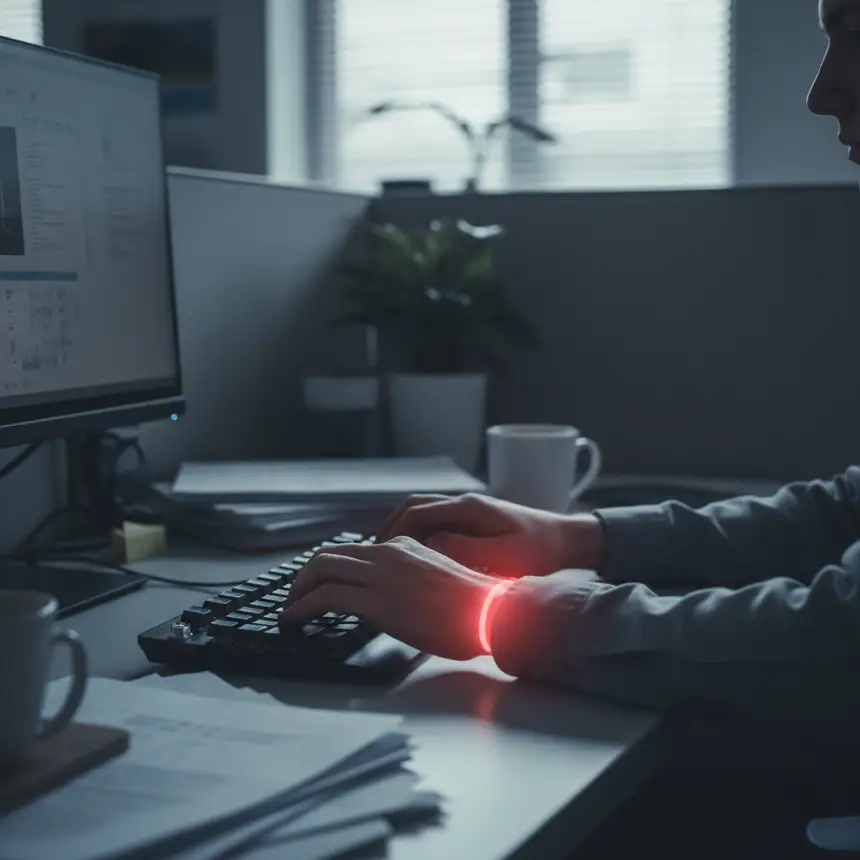
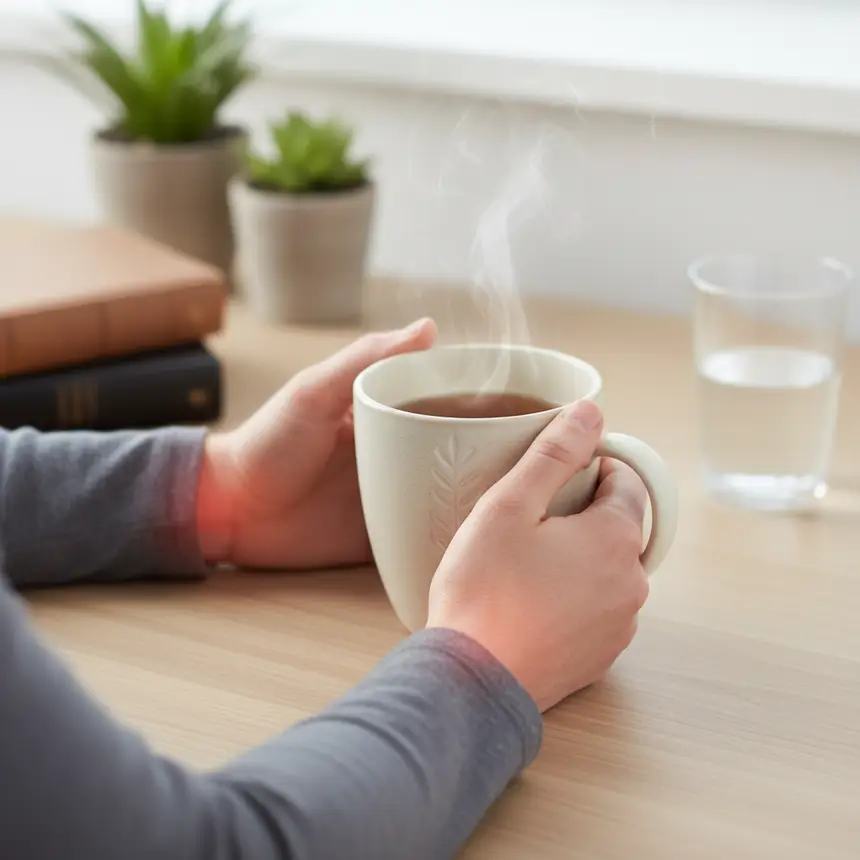
If you're tired of restless nights, this guide offers concrete lifestyle habits and routines to improve your sleep quality. From diet and exercise to nutrient management and bedroom environment, we help you reclaim peaceful nights.

The Struggle of Sleepless Nights: Why Am I Not Getting Rest?
Many of us can relate to the unsettling feeling of lying awake in bed, unable to drift into deep sleep, tossing and turning throughout the night. This isn't just about missing a few hours of rest; it's a vicious cycle that impacts our daily lives, leading to feelings of helplessness and overwhelming fatigue. Waking up refreshed and energized often feels like a distant dream, replaced by poor concentration, heightened irritability, and various unexplained physical discomforts during the day. The torment of sleepless nights goes beyond simple tiredness; it's a critical issue affecting our entire physical and mental well-being. Quality sleep isn't just a break; it's essential for physical recovery and maintaining mental health. When facing these challenges, it's time to seek solutions. The first step towards improving sleep quality begins with a clear understanding of the problem.

Your Body's Signals: What Insomnia Might Be Telling You
Lack of sleep affects our bodies in more ways than we might realize. Many people experience headaches when they don't get enough rest, often described as a tightening sensation around the temples or migraine-like pain. These headaches can be linked to tension in the neck and shoulders, leading to stiffness and a heavy feeling. Sometimes, we unknowingly clench our jaws or grind our teeth during sleep, exacerbating facial muscle tension. Digestive changes are also common. Irregular eating patterns or consuming stimulating foods late at night can cause heartburn, reflux-like symptoms, making it even harder to sleep comfortably. Psychological stress and anxiety can disrupt the balance of the autonomic nervous system, leading to a racing heart or shallow breathing, further hindering sleep. Other symptoms like skin issues, difficulty regulating body temperature, and dry hands or feet can also appear. These signs are not just minor inconveniences; they indicate that sleep deprivation is complexly affecting various bodily systems. Therefore, it's crucial not to overlook these signals and to listen to what your body is trying to tell you.
※ This post contains affiliate links. I may earn a commission at no extra cost to you.


Optimizing Sleep: Diet, Exercise, and Nutrient Management
Improving sleep quality requires a holistic approach to your lifestyle. Begin by managing your diet. It's advisable to avoid stimulating foods, excessive caffeine, and alcohol several hours before bedtime. Especially in the late evening, steer clear of greasy or heavy meals that can hinder digestion; instead, opt for light, easily digestible options. After dinner, a short walk or light activity can aid digestion and alleviate symptoms like heartburn. Regular physical activity is also key. Gentle aerobic exercise or stretching before sunset, rather than intense workouts late in the evening, can induce a healthy level of fatigue that promotes restful sleep. High-intensity exercise too close to bedtime can be stimulating, so timing is important. Furthermore, deficiencies in certain nutrients can impact sleep. Magnesium, Vitamin D, and iron play crucial roles in nervous system function and sleep regulation. If you suspect a deficiency, maintaining a balanced diet and consulting a healthcare professional to assess your nutritional status is recommended. For instance, iron deficiency can be linked to restless legs syndrome. Remember, not every solution will work instantly, but consistent effort in finding what works best for you is vital.
Small Daily Routines for a Restful Night
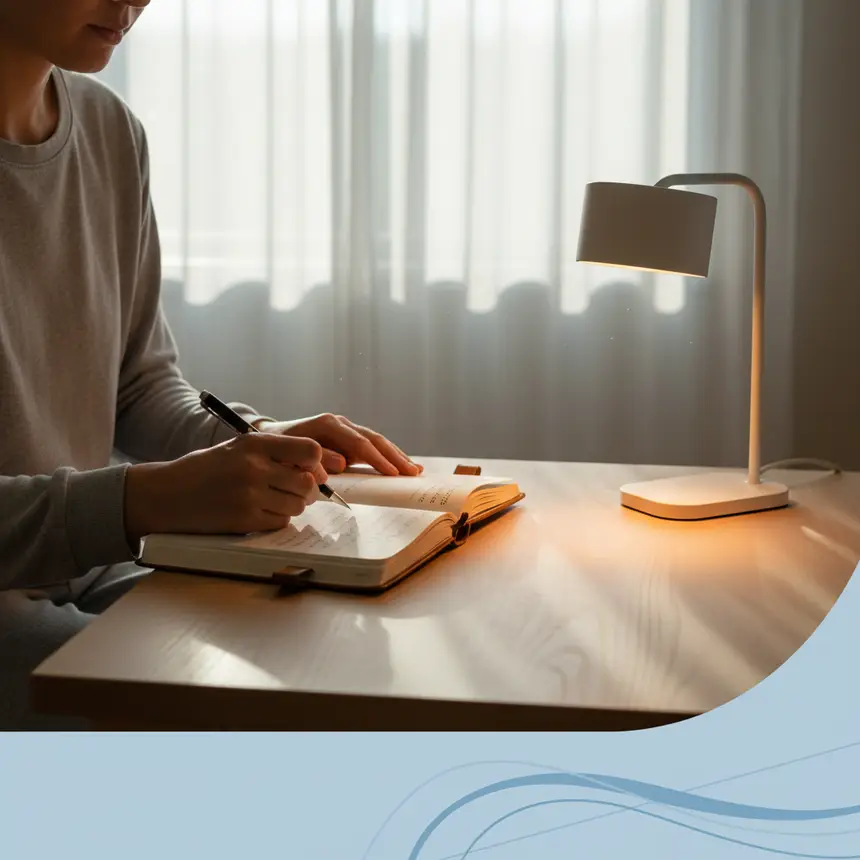
Enhancing sleep quality doesn't require drastic changes; it starts with small habits in your daily routine. First, intelligently manage your light exposure. In the morning, open your curtains wide to soak in natural light, which helps regulate your sleep-wake cycle. Conversely, in the evening, reduce screen time from smartphones, tablets, and computers, and dim indoor lighting to signal to your body that it's time to prepare for sleep. Your bedroom environment is equally important. A dark, quiet, and cool bedroom provides optimal conditions for deep sleep. Before bed, try relaxing activities like a warm shower or meditation to release tension. If anxious thoughts disrupt your sleep, try writing down your daily events or tomorrow's tasks in a journal before bed. This 'mind dump' process can help organize your thoughts and clear your mind before you try to sleep. Instead of procrastinating tasks until late at night, ensure you have enough free time in the evening to foster a sense of calm. Also, limit your bed activities (like reading or using your phone) to only sleeping, training your brain to associate the bed solely with rest.

The Journey to Peaceful Nights: Consistency is Key
When we struggle with sleepless nights, we often become impatient, clinging to a single solution. However, sleep issues are often complex, intertwined with our body's rhythms and nervous system responses. Therefore, a holistic approach that examines and adjusts your overall lifestyle is more effective than targeting just one symptom. It requires consistent effort to build solid fundamental habits: getting enough morning sunlight, reducing screen time in the evening, regulating caffeine intake, and engaging in light walking regularly. Not every effort will yield perfect results every single day. Some nights you might still struggle to fall asleep, or wake up early and can't get back to sleep. Instead of being hard on yourself, get out of bed and engage in a calming activity like reading or meditating in another quiet space until you feel drowsy. The important thing is to persist, listen to your body's signals, and not give up. By understanding sleep not merely as 'an act of resting' but as 'a process of bodily recovery,' and by consistently finding the optimal routine for yourself, those once restless nights will eventually transform into peaceful periods of rest. Remember, healthy sleep is the most fundamental investment in a better life.
Frequently Asked Questions
Q. What are common reasons for difficulty falling asleep or frequent night awakenings?
A. Difficulty falling asleep is often due to stress, irregular sleep schedules, excessive caffeine or alcohol before bed, and blue light exposure. Frequent night awakenings can stem from various physical and environmental factors such as anxiety, pain, digestive discomfort, or an imbalanced room temperature.
Q. Are there specific foods that help or hinder sleep?
A. Foods rich in tryptophan, like milk, bananas, nuts, and whole grains, can promote sleep. Conversely, it's best to avoid caffeinated drinks (coffee, energy drinks), alcohol, fatty meals, spicy foods, and excessive sugar before bedtime, as these can disturb digestion or cause alertness.
Q. What should I do if I feel drowsy and lack concentration during the day?
A. If you experience daytime drowsiness and poor concentration, prioritize maintaining a regular sleep schedule, avoiding late nights. A short walk after lunch or a brief nap (under 20 minutes) can be helpful. Also, ensure you get enough natural light during the day and manage caffeine intake to avoid disrupting nighttime sleep.
Q. Can sleep aids or nutritional supplements be beneficial?
A. While sleep aids and some supplements can offer temporary relief, improving lifestyle habits is more crucial for long-term sleep solutions. Nutrients like magnesium, melatonin, and Vitamin D may positively influence sleep, but it's essential to consult a healthcare professional before taking any supplements to ensure they are appropriate for you and to determine the correct dosage.
Q. Is it helpful to stay in bed if I can't fall asleep?
A. Staying in bed when you can't fall asleep can actually increase anxiety and alertness. If you haven't fallen asleep after 15-20 minutes, get out of bed and move to another quiet area. Engage in a relaxing activity under dim lighting, like reading or meditating, until you feel drowsy, then return to bed.