Finger joint health starts with what you eat. Discover key nutrients and foods that help soothe inflammation and protect cartilage, along with practical dietary management tips for your daily life.

The Unseen Impact of Diet on Finger Joint Health
Many of us take our finger joints for granted until discomfort sets in. Stiffness, a dull ache, or sharp pain with movement can significantly hinder daily activities, from typing to gripping a coffee cup. While often attributed to wear and tear, emerging research highlights a critical, yet often overlooked, factor in joint well-being: our diet. Nutritional science increasingly points to specific food components as powerful allies in reducing inflammation and maintaining the structural integrity of cartilage, the protective cushion within our joints. Nutrients like omega-3 fatty acids, various vitamins, and essential minerals are not just beneficial for overall health; they are foundational to keeping your finger joints flexible and strong. Understanding how to nourish your body effectively can pave the way to alleviating discomfort and fostering long-term joint resilience. Let's delve into how strategic dietary choices can empower your finger joints for a more comfortable and active life.

Key Nutrients and Foods for Optimal Finger Joint Support
To nurture your finger joints, focusing on certain nutrients and the foods that provide them is paramount.
- Omega-3 Fatty Acids: These polyunsaturated fats are critical for modulating the body's inflammatory responses. Since inflammation can be a primary contributor to joint discomfort, a consistent intake of omega-3s is a powerful tool for maintaining joint comfort. Excellent sources include fatty fish such as salmon and mackerel, as well as plant-based options like flaxseeds, chia seeds, and walnuts.
- Vitamin K: This vitamin plays a vital role in bone and cartilage metabolism, essential for the structural soundness of your joints. Leafy green vegetables like spinach, kale, and broccoli are rich in Vitamin K. Regular consumption can help reinforce joint tissues.
- Antioxidants: Berries such as blueberries, strawberries, and acai, along with a rainbow of colorful vegetables (bell peppers, carrots, tomatoes), are packed with antioxidants. These compounds help combat oxidative stress, which can accelerate joint aging and contribute to discomfort. By neutralizing free radicals, antioxidants support overall joint health.
- Cartilage-Supporting Compounds: While often found in supplements, compounds like glucosamine and chondroitin are natural components of healthy cartilage, contributing to its lubrication and elasticity. While primarily consumed as dietary aids, some can be found in shellfish. If dietary intake is insufficient, incorporating high-quality supplements may be a consideration, after consulting with a healthcare professional.
※ This post contains affiliate links. I may earn a commission at no extra cost to you.

Cultivating Healthy Habits for Robust Finger Joint Function
Beyond dietary adjustments, incorporating simple lifestyle practices can significantly enhance finger joint health and alleviate existing discomfort.
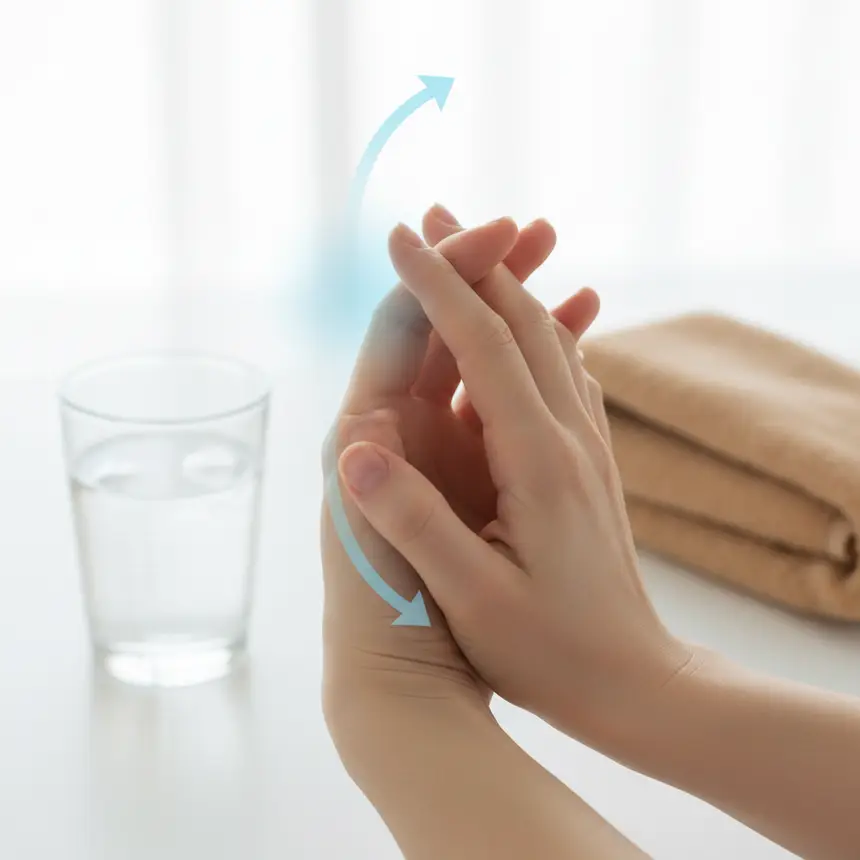
- Adequate Hydration: Water constitutes a significant portion of our body weight, and it's a key component of synovial fluid, which lubricates our joints. Aim for at least eight glasses of water daily to maintain joint fluidity and aid in waste removal, keeping your joints supple.
- Gentle Movement and Stretching: Regular, gentle exercises designed for your fingers can vastly improve flexibility and reduce stiffness. Simple actions like making a fist and slowly extending your fingers, or gently stretching each digit individually, can enhance blood circulation and range of motion. Perform these movements with care, avoiding excessive force.
- Warm Applications: When your finger joints feel stiff or achy, a warm soak or compress can provide soothing relief. Submerging your hands in warm water for 10-15 minutes can increase blood flow and relax surrounding muscles, temporarily easing discomfort. Ensure the water temperature is comfortably warm, not scalding.
- Mindful Use and Rest: Repetitive or strenuous activities can strain your finger joints. If you spend extended periods typing or using a smartphone, take frequent breaks. Consider ergonomic tools or supportive gloves if your activities demand consistent hand use. Giving your hands and fingers adequate rest is crucial for recovery and preventing overuse injuries.
Frequently Asked Questions
Q. What are the most important nutrients for finger joint health?
A. For finger joint health, omega-3 fatty acids, Vitamin K, and various antioxidants are particularly vital. They play roles in modulating inflammation, protecting cartilage, and slowing down the aging process of joint cells.
Q. Besides diet, what other methods can strengthen finger joints?
A. In addition to a healthy diet, consistent finger stretching, warm water therapy, and ensuring adequate rest to avoid overstraining your fingers are all crucial. Regular hydration also contributes to joint flexibility.
Q. Is it necessary to take nutritional supplements?
A. If achieving sufficient nutrient intake through a balanced diet is challenging, you might consider supplements containing specific ingredients like glucosamine, chondroitin, or omega-3s. However, it's always best to consult with a healthcare professional to choose supplements that are right for you.
Q. Are there any foods I should avoid for better finger joint health?
A. Foods high in processed ingredients, excessive sugars, and trans fats can promote inflammatory responses in the body, so it's advisable to limit their consumption. A diet rich in fresh, natural foods is generally more beneficial for joint health.
Q. Can you offer tips for protecting finger joints in daily life?
A. When performing repetitive tasks, take regular breaks and consider using ergonomic tools or supportive gear. Keep your hands warm in cold environments, and when lifting heavy objects, distribute the weight across your entire palm rather than relying solely on your fingers to reduce strain.