Are you struggling with unexplained chest discomfort and anxiety? Discover practical ways to overcome anticipatory anxiety through tryptophan, tension relief strategies, and lifestyle improvements.

Unexplained Body Signals: When You're Lost in Discomfort and Anxiety
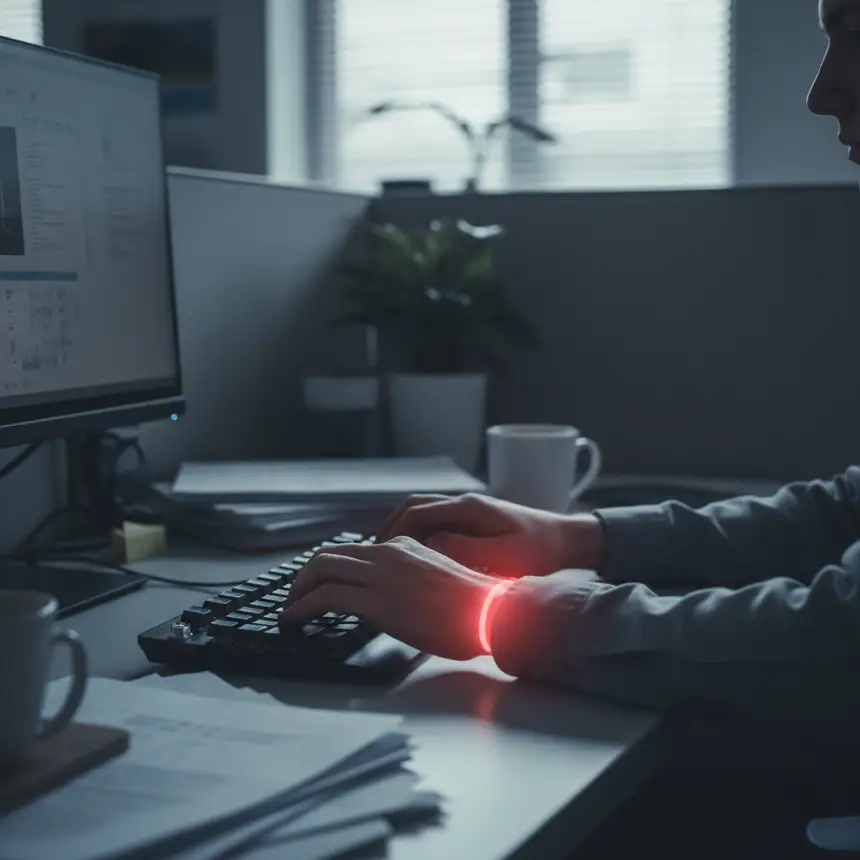
Have you ever experienced sudden chest discomfort, heart palpitations, or a feeling of breathlessness for no apparent reason? Despite a clean bill of health from medical check-ups, repeated bouts of anticipatory anxiety—a dread that strikes in specific places or situations—can significantly diminish your quality of life. The momentary fear felt in a subway tunnel or a confined space can leave you wondering, 'Am I the only one experiencing this?' These mysterious physical tensions and anticipatory anxieties aren't merely mental struggles; they could be warning signals from your body's intricate systems. In this article, we'll explore practical approaches to manage such tension and anxiety, helping you reclaim daily peace.
The Discord Between Body and Mind: Unveiling the True Cause of Anxiety
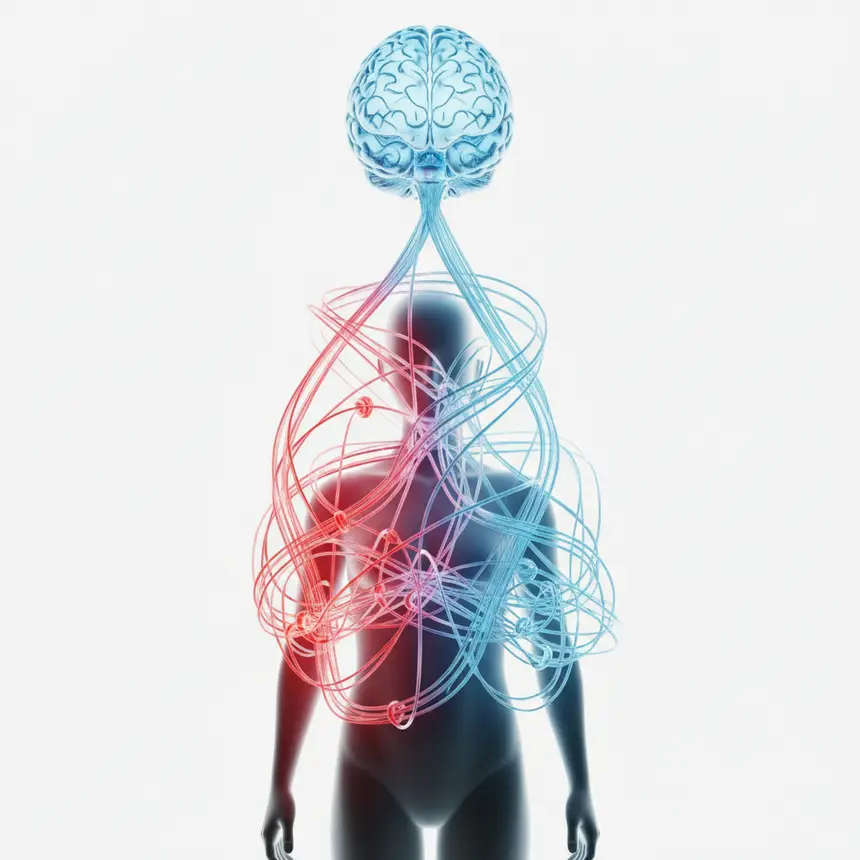
Many who experience unexplained anxiety and physical symptoms have likely tried various approaches. This might include exploring specific nutrients or common relaxation supplements, and sometimes seeking professional help. However, these often offer only temporary relief or fall short of expectations. This is often due to a fundamental imbalance where the body's tension remains uncontrolled, making it difficult for the mind to follow suit, no matter how hard you try to compose yourself. Our autonomic nervous system is highly sensitive to stress and external stimuli; when overactivated, it can manifest as physical symptoms like a racing heart or difficulty breathing. Simply boosting your mood or supplementing with a single nutrient may not be enough to control these underlying bodily responses. The true solution lies in supporting the body's intrinsic ability to restore balance.
※ This post contains affiliate links. I may earn a commission at no extra cost to you.

Nutrition and Habits for a Balanced Life: From Tryptophan to Autonomic Regulation
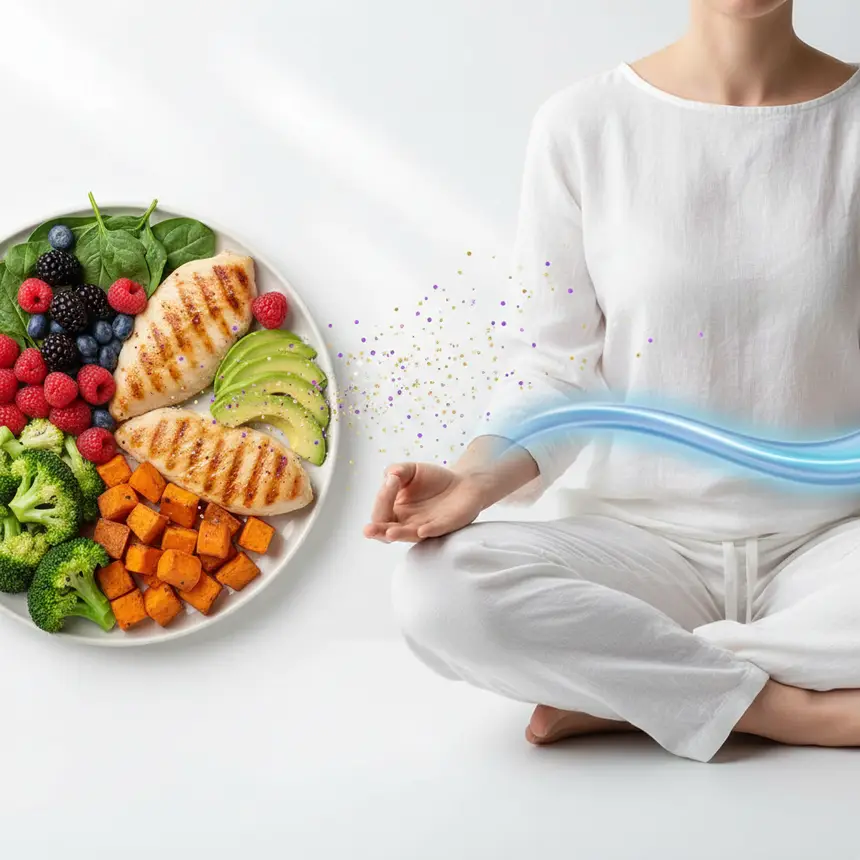
Addressing sudden tension and anticipatory anxiety requires a multifaceted approach. Firstly, tryptophan, an essential amino acid, is a crucial precursor to serotonin, a neurotransmitter that contributes to mood regulation and sleep induction, thereby indirectly aiding tension relief. Ingredients like rhodiola extract or L-theanine are also often used to modulate stress responses and promote relaxation. However, it's not just about consuming these nutrients; a comprehensive approach that supports the natural rebalancing of the autonomic nervous system is vital. This means creating an environment where your body can more effectively respond to and recover from stress independently. Regular routines, adequate sleep, relaxation techniques like meditation or deep breathing, and a balanced diet are key components in stabilizing the nervous system. When these lifestyle habits are combined with natural, supportive methods focused on strengthening the body's self-regulatory capacity, genuine transformation can begin.
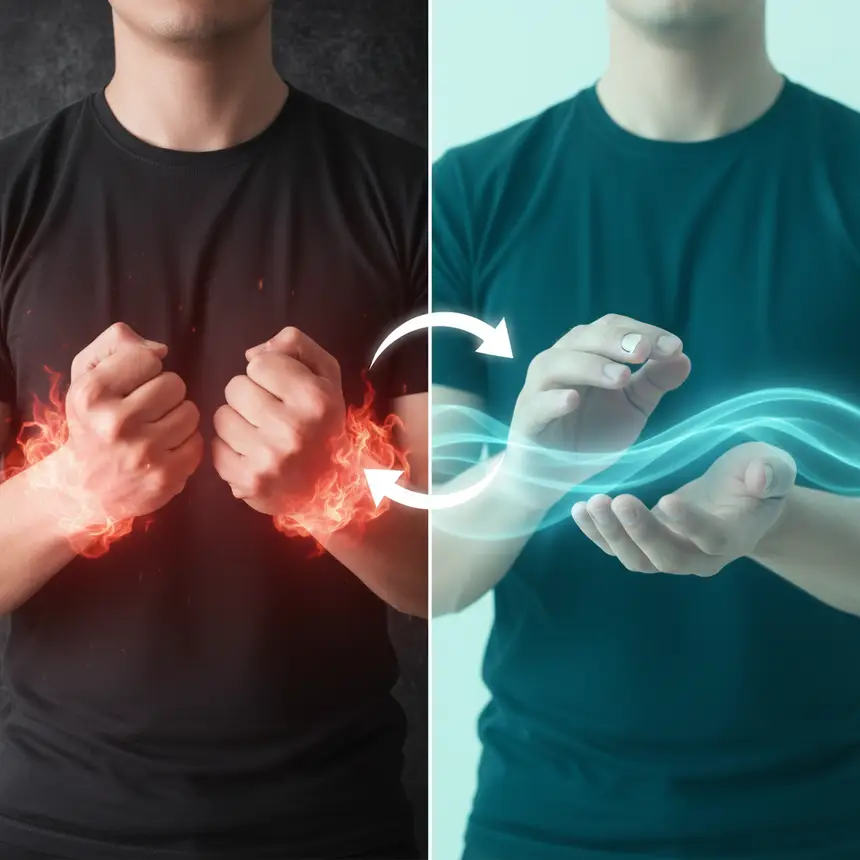
Finding Calm Through Small Daily Practices: The 4-Week and 8-Week Journey
Consistent effort inevitably brings change. The journey to rebalance the autonomic nervous system doesn't happen overnight, but with patience and persistent practice, remarkable results can be achieved. Many individuals experience significant improvements within a few weeks of consistent practice. For instance, after about four weeks, severe physical symptoms may gradually come under more controllable limits. By the eight-week mark, people often reach a stage of calmness they previously couldn't imagine. If, before, the closing of a subway door triggered an impulsive 'I'm suffocating, I need to get out!' response, now, they might be able to calmly think, 'Oh, it's a bit stuffy, but I'll be okay,' gaining the power to objectively perceive and manage the situation. As physical tension decreases, mental peace follows, positively impacting daily life.

Reclaiming Your Lost Life: Your Journey to Well-being Matters
Anxiety becomes fear when we feel powerless over it. However, by understanding our body's responses and creating an environment for self-recovery, it no longer needs to be a terrifying presence. Simply enduring suffering is not the answer; true resolution comes from helping your body reclaim its natural balance. Many individuals discover through this process not just a simple psychological safety net, but an inner strength that remains unshaken by external factors. They find themselves able to fully open up a life once constrained by anxiety, embarking on new challenges with newfound confidence. You don't have to struggle alone anymore. Our bodies possess an incredible ability to heal and recover themselves. Awaken that ability and take the first step towards reclaiming your peaceful, lost everyday life. Your precious life can shine brightly once again.
Frequently Asked Questions
Q. What exactly does anticipatory anxiety mean?
A. Anticipatory anxiety refers to a state of worry and dread that occurs in anticipation of a specific situation or event. It commonly involves physical symptoms like a racing heart or difficulty breathing before using public transport or giving an important presentation.
Q. How can Tryptophan help with tension relief?
A. Tryptophan is an essential amino acid and a primary precursor to serotonin, a neurotransmitter that promotes feelings of well-being in the brain. Serotonin plays a crucial role in mood regulation, sleep patterns, and stress response, so tryptophan intake can indirectly contribute to tension relief by stabilizing these factors.
Q. Besides lifestyle changes, what practical steps can be taken?
A. A balanced diet, regular exercise, adequate sleep, and relaxation techniques like meditation or deep breathing are important. Additionally, reducing caffeine and alcohol intake, and learning stress management skills, can effectively help stabilize the autonomic nervous system.
Q. How long does it typically take to see results from tension relief methods?
A. While individual experiences vary, consistent effort and practice often lead to noticeable changes in physical symptoms within four weeks. After about eight weeks, many can experience overall mental calmness and regain confidence in daily life.
Q. When should I seek professional help for severe anxiety?
A. If anxiety becomes overwhelming, making it difficult to cope on your own or significantly disrupting daily life, seeking professional help is crucial. Consulting with a mental health professional or therapist can provide an accurate diagnosis and a suitable management plan tailored to your needs.