Feeling unexplained fatigue or discomfort? Your autonomic nervous system might be out of balance. Discover the causes behind this common modern health issue and learn practical, daily strategies to restore harmony and reclaim your vitality.

The Silent Strain: Unpacking Autonomic Nervous System Balance in Modern Life
In our fast-paced modern world, it's common to experience a persistent sense of fatigue and a vague feeling of being unwell, even after resting. The relentless demands of work, academic pressure, and irregular daily routines can silently take a toll on our bodies. You might find yourself feeling anxious, unmotivated, or simply "off," with no clear cause. Frequent headaches, digestive upsets, or cold hands and feet can also become unwelcome companions. These aren't just signs of being tired; they could be whispers from your autonomic nervous system (ANS), signaling that its delicate balance is off-kilter. The ANS is the unsung hero of our internal operations, constantly adjusting our heart rate, breathing, digestion, and more, all without our conscious effort. But when constant stress and unhealthy habits disrupt this intricate system, it can manifest as a wide range of discomforts. Ignoring these subtle signals can pave the way for chronic health issues. Recognizing the importance of ANS balance and actively managing it from an early stage is key to maintaining your overall well-being.
Understanding Autonomic Imbalance: Causes and Pathways to Harmony
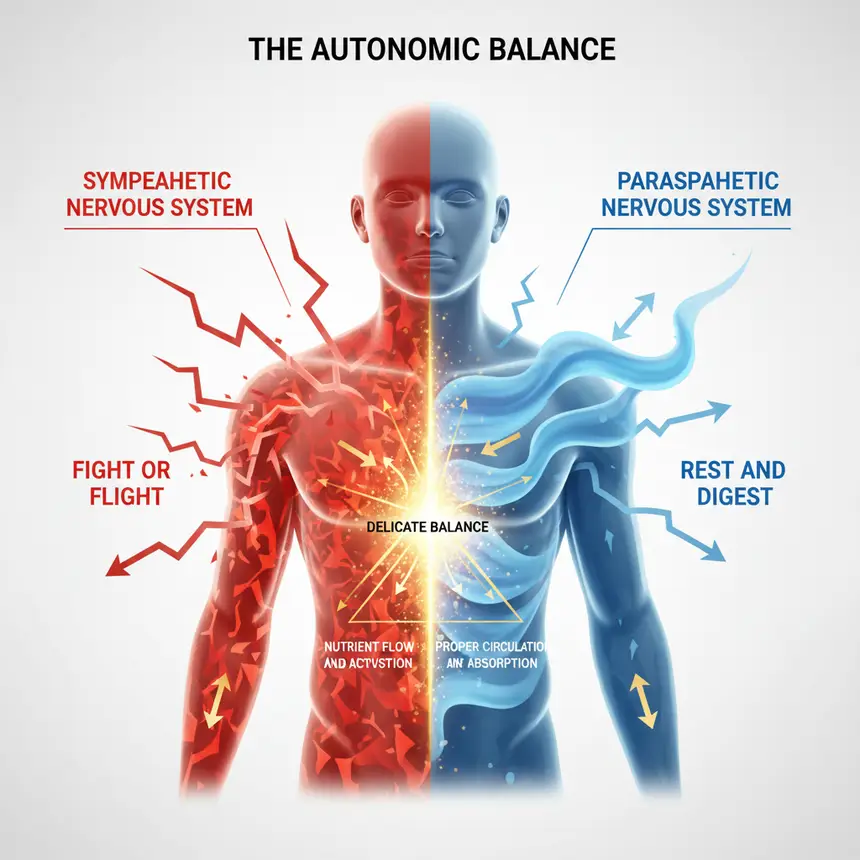
Your autonomic nervous system is composed of two primary branches: the sympathetic and parasympathetic nervous systems. Think of the sympathetic system as your body's "fight-or-flight" response, gearing you up for action during stress. The parasympathetic system, on the other hand, is the "rest-and-digest" commander, helping your body relax, recover, and process food. For optimal health, these two systems need to work in a harmonious dance. However, modern habits like excessive caffeine intake, irregular eating patterns, insufficient sleep, and chronic mental stress can over-activate the sympathetic nervous system, leaving your body stuck in a perpetual state of alert. This imbalance can lead to a cascade of issues, including impaired digestion, increased heart rate, poor circulation, and a weakened immune response. Digestive dysfunction, in particular, can be a major disruptor, as a compromised gut impacts overall health and can further throw the ANS out of balance. When your gut isn't functioning optimally, it can lead to a buildup of waste and a cycle where ANS imbalance worsens, affecting everything from your mood to your energy levels. To restore this crucial balance, it's vital to cultivate practices that encourage both physical and mental equilibrium. For instance, incorporating regular deep breathing exercises can effectively stimulate the parasympathetic nervous system, helping to calm your body and mind.
※ This post contains affiliate links. I may earn a commission at no extra cost to you.


Simple Steps for Nurturing Your Autonomic Nervous System
Restoring a healthy balance to your autonomic nervous system doesn't require drastic measures; it begins with mindful adjustments to your daily routine. Consistent, healthy habits are powerful tools for positive change.
- Nourish Your Body: Processed foods, excessive sugar, caffeine, and alcohol can overstimulate the ANS and burden your digestive system. Instead, prioritize a diet rich in fresh vegetables, fruits, whole grains, and lean proteins to support gut health and overall body function. Fermented foods can be particularly beneficial for nurturing a healthy gut microbiome.
- Practice Stress Management: Find what truly helps you unwind and commit to it regularly. Whether it's meditation, yoga, spending time in nature, or deep breathing exercises, dedicate at least 10 minutes daily to intentionally de-stress.
- Prioritize Quality Sleep: Aim for 7-8 hours of consistent, restorative sleep each night. This is non-negotiable for allowing your ANS to recharge and repair. Create a peaceful sleep environment by dimming lights, avoiding screens before bed, and maintaining a cool, quiet room.
- Engage in Gentle Movement: Regular, moderate aerobic exercise like walking or light jogging can help regulate both sympathetic and parasympathetic activity. Make it a habit to move your body daily, even for short periods.
Frequently Asked Questions
Q. How common is ANS imbalance in today's world?
A. With rising stress levels and irregular lifestyles, ANS imbalance is increasingly common. Many individuals experience vague symptoms like persistent fatigue, digestive issues, and anxiety, which are often subtle signs of this underlying condition.
Q. Is there a strong link between digestive problems and ANS health?
A. Absolutely. The ANS directly controls all aspects of digestion. An overactive sympathetic nervous system can slow down digestive processes, leading to gut health issues. This can create a vicious cycle, negatively impacting ANS balance further.
Q. What are some immediate, practical ways to calm my ANS?
A. Focus on deep, diaphragmatic breathing. This simple technique can quickly activate your parasympathetic nervous system, promoting relaxation. Also, taking short breaks for mindfulness or a quick walk in nature can help.
Q. When should I seek professional help for ANS symptoms?
A. If your symptoms of ANS imbalance are chronic, significantly interfere with your daily life, or don't improve with self-care strategies, it's wise to consult a healthcare professional. They can provide an accurate diagnosis and tailored advice.