Discover critical nutrients and effective strategies for maintaining your beloved dog's joint health. From supporting senior dogs to active pups, learn how to prevent discomfort and improve their quality of life. Proactive joint care is key to a happy, mobile canine companion.

Helping Your Canine Companion Stay Active and Comfortable
Watching our furry friends slow down, perhaps struggling to jump onto the couch or seeming hesitant on their daily walks, can be a heartfelt concern for any dog owner. Just like humans, dogs can experience joint discomfort as they age, due to breed predispositions, or even from carrying extra weight. This decline in mobility isn't just about minor inconvenience; it significantly impacts their overall quality of life, their ability to play, and their engagement with the family. When a dog shows signs of stiffness or reluctance to move, it's a clear signal that their joints might be under strain. Addressing these issues proactively, rather than waiting for them to escalate, is crucial. Early and consistent joint care can make a world of difference, allowing our dogs to enjoy a longer, more vibrant life full of playful moments.

Unpacking the Power of Key Nutrients for Canine Joints
To truly support our dogs' joint health, understanding the role of specific nutrients is paramount. These compounds work synergistically to maintain cartilage integrity, reduce inflammation, and enhance overall joint function. Glucosamine, for instance, is a foundational building block for cartilage, crucial for its repair and maintenance. Often paired with it, Chondroitin Sulfate helps cartilage retain water, providing elasticity and shock absorption. Another vital compound is Methylsulfonylmethane (MSM), an organic sulfur that can help alleviate joint stiffness and support healthy connective tissues. Beyond these, ingredients derived from certain shellfish are rich in Omega-3 fatty acids, particularly EPA and DHA, which are renowned for their anti-inflammatory properties, offering a natural way to soothe joint discomfort. Furthermore, a balanced intake of vitamins like C and D, and minerals such as calcium, contributes to strong bones and collagen synthesis, supporting the entire skeletal system. Even gut health plays a role; prebiotics and beneficial bacteria can improve nutrient absorption and bolster the immune system, indirectly benefiting joint wellness. For dogs needing weight management, specific amino acids or plant extracts can aid in fat metabolism, reducing the burden on their joints and promoting healthier mobility.
※ This post contains affiliate links. I may earn a commission at no extra cost to you.


Nurturing Joint Health Through Diet and Daily Habits
Implementing a comprehensive joint care strategy for your dog involves attentive dietary choices and a supportive lifestyle. Begin by selecting a dog food formulated with joint-supporting ingredients. Look for products that clearly list compounds like glucosamine, MSM, and green-lipped mussel extract. The food's texture can also be a significant factor; softer, semi-moist options can be especially beneficial for older dogs or those with dental issues, making mealtime more comfortable and enjoyable. Hydration is key for joint lubrication and overall metabolic health, so ensure your dog has constant access to fresh water and consider foods with adequate moisture content.
Secondly, maintaining an optimal body weight is non-negotiable for joint health. Excess weight places undue stress on joints, accelerating wear and tear. A diet rich in lean protein and fiber can help manage weight effectively, promoting satiety and discouraging overeating.
Thirdly, regular, appropriate exercise strengthens the muscles surrounding the joints and maintains flexibility. Opt for low-impact activities like leash walks, swimming, or gentle play, avoiding strenuous or high-impact movements that could exacerbate joint issues. Always ensure exercise is tailored to your dog's age, breed, and current health status. Finally, always prioritize food safety and quality. Choosing products certified by reputable organizations ensures you're providing a safe and beneficial diet for your cherished companion. By focusing on these four pillars – nutrition, weight, exercise, and quality – you can significantly safeguard your dog's joint health.
Secondly, maintaining an optimal body weight is non-negotiable for joint health. Excess weight places undue stress on joints, accelerating wear and tear. A diet rich in lean protein and fiber can help manage weight effectively, promoting satiety and discouraging overeating.
Thirdly, regular, appropriate exercise strengthens the muscles surrounding the joints and maintains flexibility. Opt for low-impact activities like leash walks, swimming, or gentle play, avoiding strenuous or high-impact movements that could exacerbate joint issues. Always ensure exercise is tailored to your dog's age, breed, and current health status. Finally, always prioritize food safety and quality. Choosing products certified by reputable organizations ensures you're providing a safe and beneficial diet for your cherished companion. By focusing on these four pillars – nutrition, weight, exercise, and quality – you can significantly safeguard your dog's joint health.
A Future of Joy: The Cornerstone of Your Dog's Joint Well-being
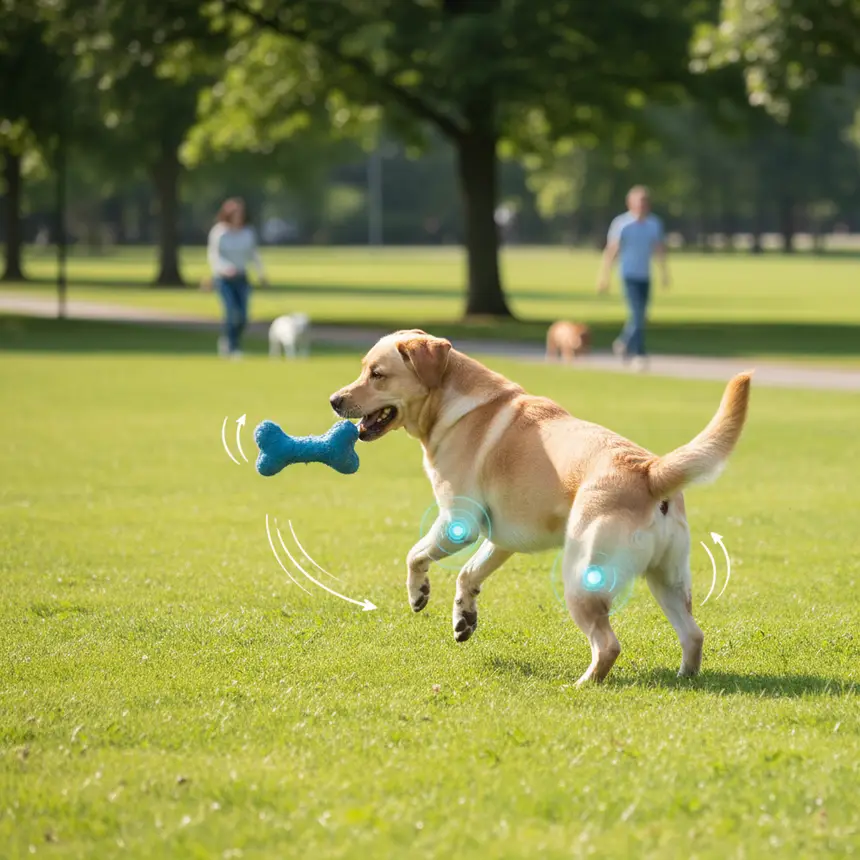
A dog's vitality and zest for life are among the greatest joys for any pet parent. Joint health isn't merely about walking; it underpins every jump, every run, every playful interaction that enriches their existence. Proactive joint care, therefore, transcends being a mere option—it's a fundamental aspect of their welfare. By consistently integrating the key nutritional insights and practical strategies discussed, you can help your dog enjoy prolonged periods of comfortable, pain-free movement.
The benefits of diligent joint management may not appear overnight, but steady effort and unwavering attention will yield significant rewards. Witnessing your dog move with greater ease, seeing them rise without hesitation after a nap, or observing them eagerly retrieve their favorite toy, confirms that your dedication is paying off. There's immense satisfaction in knowing your beloved companion is no longer hampered by discomfort but is instead thriving, enjoying life to the fullest, just as they did in their younger days. Let's continue to be their steadfast guardians, ensuring they live their healthiest, happiest lives through mindful and consistent joint care.
The benefits of diligent joint management may not appear overnight, but steady effort and unwavering attention will yield significant rewards. Witnessing your dog move with greater ease, seeing them rise without hesitation after a nap, or observing them eagerly retrieve their favorite toy, confirms that your dedication is paying off. There's immense satisfaction in knowing your beloved companion is no longer hampered by discomfort but is instead thriving, enjoying life to the fullest, just as they did in their younger days. Let's continue to be their steadfast guardians, ensuring they live their healthiest, happiest lives through mindful and consistent joint care.
Frequently Asked Questions
Q. When should I start focusing on my dog's joint health?
A. While joint problems are common in senior dogs, it's wise to start early for large breeds, highly active dogs, or those with a genetic predisposition to joint issues. Consulting your veterinarian is the best way to determine the ideal starting point.
Q. Besides glucosamine, what other nutrients benefit dog joint health?
A. In addition to glucosamine, Chondroitin Sulfate, MSM (Methylsulfonylmethane), Omega-3 fatty acids (especially EPA and DHA), green-lipped mussel extract, and collagen are all beneficial for supporting canine cartilage and reducing inflammation.
Q. How does being overweight affect my dog's joints?
A. Excessive weight puts immense strain on a dog's joints, accelerating cartilage damage and significantly increasing the risk of degenerative joint disease. Maintaining an ideal body weight is one of the most crucial aspects of canine joint health management.
Q. What types of exercise are recommended for dogs with joint issues?
A. Low-impact exercises like gentle leash walks, swimming, or hydrotherapy are excellent choices. Avoid steep inclines, slippery surfaces, or high-impact activities. It's important to keep sessions short and frequent, allowing for plenty of rest.
Q. What should I consider when choosing a joint supplement for my dog?
A. Look for supplements that are certified by reputable organizations and clearly state the concentration of active ingredients. Also, consider products made with ingredients that are less likely to cause allergic reactions in your dog.