Explore advanced nutritional strategies to maximize long-distance running performance and accelerate recovery. Understand the roles of curcumin, beta-alanine, iron, and oxygen-enhancing compounds, plus best practices for their intake.

The Crucial Role of Nutrition for Runners Pushing Their Limits
Every dedicated runner, from casual jogger to marathon enthusiast, harbors the ambition to improve their personal best, run farther, and sustain their efforts longer. While consistent training, proper footwear, and adequate rest are fundamental, there's a vital component many runners often overlook: a smart nutritional strategy supporting the body from within. Beyond just eating well, specific nutrients play a key role in managing the fatigue and damage incurred during runs, and in accelerating recovery for the next training session. Today, we'll dive deep into essential nutrients that can elevate your running performance, boost endurance, and enhance post-exercise recovery.
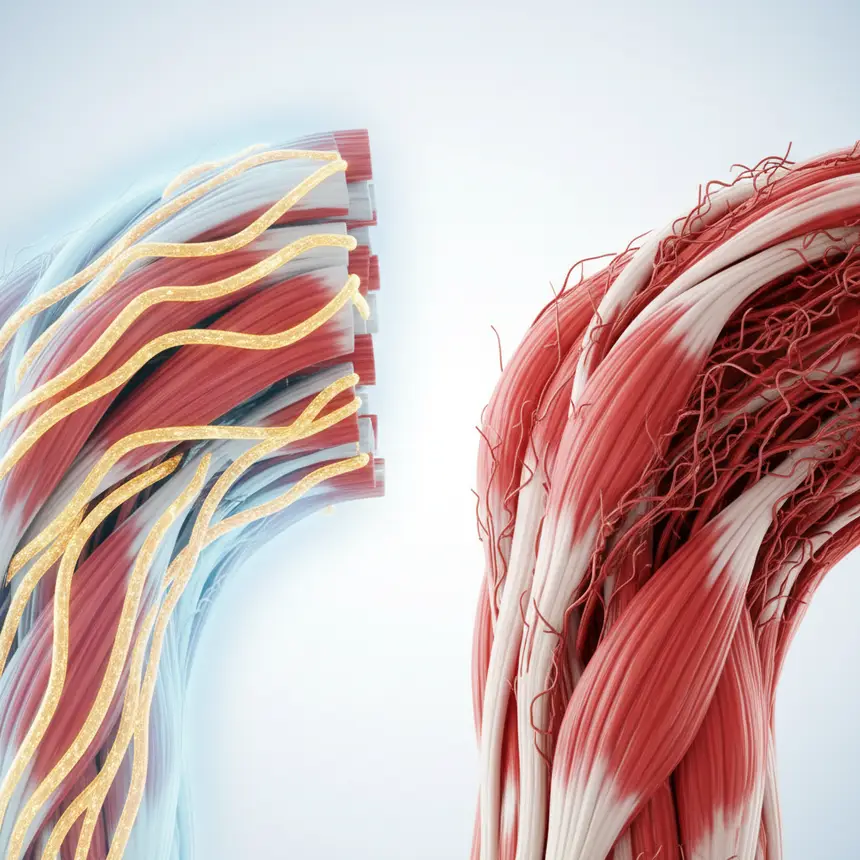
Key Nutrients for Running Endurance and Recovery: A Comprehensive Guide
Long-distance running and high-intensity training place significant demands on the body, increasing the need for various nutrients. Here are some pivotal nutrients essential for a runner's performance and recovery:
- Turmeric Extract (Curcumin): Curcumin, the primary active compound in turmeric, possesses powerful antioxidant and health-promoting properties. It can help modulate the body's natural inflammatory response after exercise and assist in alleviating muscle soreness. Specifically, forms with enhanced bioavailability, achieved through reduced particle size or micellar formulations, maximize absorption and offer more effective support.
- Beta-Alanine: This amino acid contributes to delaying the accumulation of lactic acid in muscles by boosting carnosine levels. Lactic acid is a major culprit behind muscle fatigue during intense workouts. Beta-alanine supplementation can improve endurance, allowing muscles to sustain high-intensity activity for longer periods.
- Iron: Oxygen is crucial for energy production, and iron is a core mineral component of hemoglobin, which transports oxygen throughout the body. Runners, with their high activity levels, tend to deplete iron reserves more quickly than sedentary individuals. Adequate iron intake is vital not only for preventing anemia but also for efficient oxygen delivery, reducing breathlessness during exercise, and supporting overall energy metabolism. Highly absorbable forms, such as chelated iron supplements, can be particularly beneficial.
- Oxygen Utilization Enhancers: Compounds like Coenzyme Q10 and astaxanthin can support the function of mitochondria, the cellular powerhouses responsible for energy, and potentially enhance oxygen transport efficiency within the blood. These ingredients contribute to maximizing oxygen utilization during exercise, positively impacting endurance.
※ This post contains affiliate links. I may earn a commission at no extra cost to you.

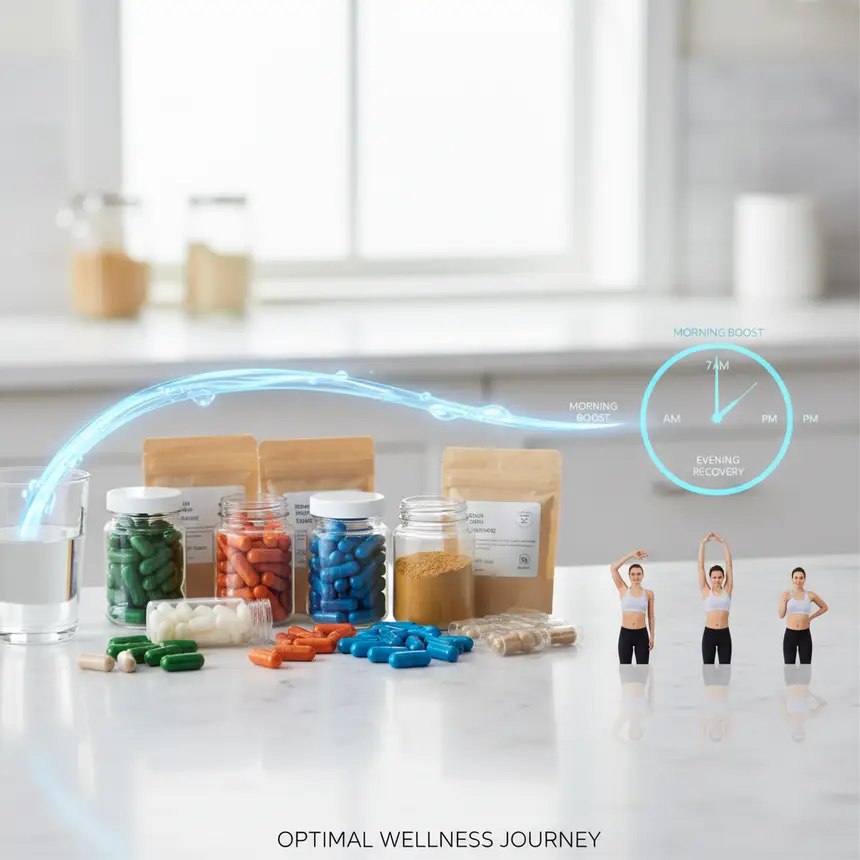
Practical Guide to Effectively Incorporating Running Nutrients
Even the most beneficial nutrients won't deliver their full potential without proper intake. Here are practical strategies to effectively leverage running-specific nutrients:
- Personalized Approach: A one-size-fits-all nutritional strategy rarely works best for every runner. It's crucial to select nutrients based on your training intensity, dietary habits, and individual body needs. Instead of taking multiple supplements simultaneously, consider starting with one or two, observing your body's response, and gradually incorporating others.
- Optimizing Intake Timing:
- Beta-Alanine: Consuming it 20-30 minutes before exercise is most effective for raising muscle carnosine levels and delaying lactic acid buildup. Initial intake might cause a temporary tingling sensation (paresthesia), which is a normal response and usually subsides with adaptation. Taking it with food can also help.
- Iron: To enhance absorption, it's best taken after meals, ideally with vitamin C-rich foods. Post-meal intake also helps reduce potential stomach upset often associated with iron supplements.
- Turmeric Extract: Consistent, daily intake can help manage post-exercise discomfort and maintain overall physical condition.
- Oxygen Utilization Enhancers: These can be taken immediately before or during high-intensity cardiovascular workouts to improve oxygen transport and utilization efficiency.
- Consider Form and Bioavailability: When choosing supplements, it's important to look beyond just the active ingredient content and consider whether the form offers high bioavailability. For instance, water-soluble turmeric extracts or chelated iron forms can offer significantly better absorption rates compared to conventional counterparts.
Embrace a More Enjoyable Running Journey with Smart Nutrition
Running is more than just physical activity; it's a journey of testing personal limits and experiencing the thrill of accomplishment. In this journey, nutrition acts like well-maintained engine oil, a crucial aid that helps our bodies perform at their peak. Appropriate nutrient intake reduces muscle fatigue, shortens recovery times, and ultimately leads to a longer, more enjoyable running experience. Based on your understanding of the nutrients discussed today, develop a nutritional strategy tailored to your running routine. Small changes can accumulate into remarkable performance improvements. We wholeheartedly support your efforts towards a healthy and vibrant running life.
Frequently Asked Questions
Q. Is a tingling sensation normal after taking beta-alanine?
A. Yes, the tingling sensation (paresthesia) experienced after beta-alanine intake is a completely normal reaction. It's a temporary phenomenon caused by the compound stimulating nerve endings as it's absorbed into the body. It's generally harmless and tends to diminish over time. If it causes discomfort, try taking it with a meal or reducing the dosage to allow your body to adapt.
Q. Can I safely combine multiple performance supplements?
A. This can vary depending on individual health status and nutritional needs. While it's possible to strategically combine several supplements to enhance running performance, it's often best to introduce them one at a time, observing your body's response before adding more. Many ingredients have clear, complementary roles, suggesting synergistic benefits. Consulting with a healthcare professional or sports nutritionist can help you find the optimal combination for your specific goals.
Q. Why is iron intake particularly important for active individuals, especially runners?
A. Highly active runners tend to have higher iron requirements and experience greater iron loss than less active individuals. Factors like sweat loss and red blood cell breakdown from footstrike impact can contribute to depletion. Iron is critical for hemoglobin, which transports oxygen throughout the body. Insufficient iron can lead to reduced athletic capacity, fatigue, and shortness of breath. Therefore, maintaining adequate iron levels is essential for runners to ensure optimal oxygen delivery and energy production.
Q. When choosing a turmeric extract (curcumin) supplement, why is bioavailability a key consideration?
A. Curcumin, the active compound in turmeric, is known for its poor bioavailability in the body. Conventional turmeric powder or curcumin often has large particles and is poorly soluble in water, meaning only a small fraction is absorbed. To ensure it effectively exerts its benefits, such as managing post-exercise inflammation and aiding muscle recovery, it's crucial to choose products formulated for enhanced absorption, like nano-emulsified or water-soluble forms.