Feeling constantly drained? Adrenal hormones DHEA and DHEA-S play a crucial role in your energy and overall well-being. Discover how these vital hormones influence your vitality and what you can do to maintain their balance.

Subtle Signals: When Your Body's Vitality Declines
In today's fast-paced world, many of us find ourselves grappling with persistent fatigue and an inexplicable lack of energy. This isn't just about needing more sleep; these physical and mental discomforts can often be subtle messages from deeper within our bodies. A common root cause of such issues can be an imbalance in specific hormones that are crucial for energy levels and overall vitality. Our endocrine system is intricately connected, meaning even minor shifts can have widespread effects. This explains the growing interest in specific hormones like DHEA and DHEA-S, produced by the adrenal glands. These aren't just biological markers; they are key players in determining our daily energy and overall quality of life. If you're experiencing a noticeable drop in your vitality, it’s time to pay closer attention to your body's delicate internal balance.
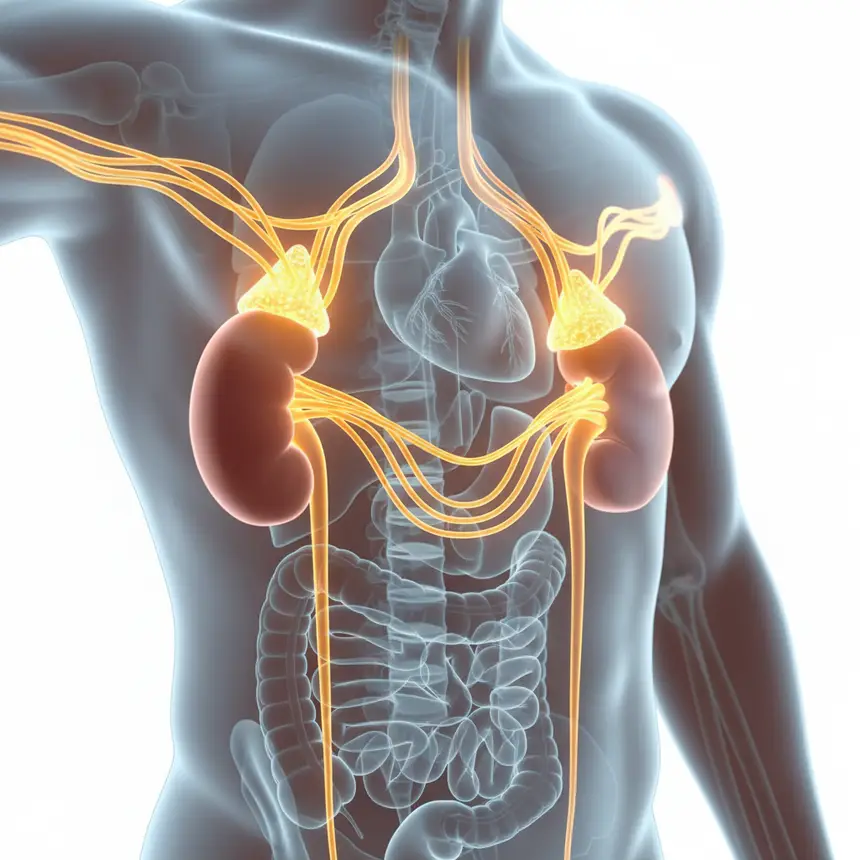
The Source of Vigor: Understanding DHEA and DHEA-S Adrenal Hormones
Our small but mighty adrenal glands are powerhouses, secreting a variety of hormones vital for stress response and metabolism. Among these, DHEA (Dehydroepiandrosterone) and DHEA-S (Dehydroepiandrosterone Sulfate) stand out. DHEA is a natural steroid hormone primarily produced by the adrenal glands, acting as a crucial precursor to sex hormones like estrogen and testosterone. It's often referred to as the "mother hormone" due to its foundational role. DHEA-S is the sulfated form of DHEA, meaning a sulfate group is attached, and it performs similar precursor functions for sex hormones.
These two hormones impact our vitality, general bodily functions, and even mood regulation. Abnormal levels, whether too high or too low, can be linked to various health concerns. For instance, DHEA has a short half-life, leading to significant fluctuations in blood levels. In contrast, DHEA-S is more abundant and significantly more stable in the bloodstream due to its sulfated form, making it the preferred measurement in clinical settings. Both hormones are essential indicators for assessing adrenal function and identifying the root causes of conditions like Polycystic Ovary Syndrome (PCOS), or androgenic symptoms such as hair loss and acne. Fluctuations can signal anything from adrenal overactivity or tumors to adrenal insufficiency (like Addison's disease) or pituitary gland dysfunction. Clearly, maintaining balanced DHEA and DHEA-S levels is fundamental for sustaining optimal body vigor.
These two hormones impact our vitality, general bodily functions, and even mood regulation. Abnormal levels, whether too high or too low, can be linked to various health concerns. For instance, DHEA has a short half-life, leading to significant fluctuations in blood levels. In contrast, DHEA-S is more abundant and significantly more stable in the bloodstream due to its sulfated form, making it the preferred measurement in clinical settings. Both hormones are essential indicators for assessing adrenal function and identifying the root causes of conditions like Polycystic Ovary Syndrome (PCOS), or androgenic symptoms such as hair loss and acne. Fluctuations can signal anything from adrenal overactivity or tumors to adrenal insufficiency (like Addison's disease) or pituitary gland dysfunction. Clearly, maintaining balanced DHEA and DHEA-S levels is fundamental for sustaining optimal body vigor.
※ This post contains affiliate links. I may earn a commission at no extra cost to you.


A Multifaceted Approach to Adrenal Hormone Balance
Achieving balance in adrenal hormones, particularly DHEA and DHEA-S levels, is not just about managing symptoms; it's about fundamentally restoring your body's innate vitality. The path to this solution isn't singular but requires an integrated, multi-pronged approach.
1. Accurate Assessment is Key: The first step is to accurately understand your current DHEA and DHEA-S levels through hormone testing. It's important to compare your results against age-specific reference ranges. Be aware that certain medications, such as steroids or anticonvulsants, can affect these levels, so it's vital to discuss your medications with a healthcare professional before testing. A benefit of DHEA testing is that its levels are less influenced by menstrual cycle fluctuations, allowing for more flexible testing times. For a comprehensive diagnosis, it's recommended to analyze DHEA and DHEA-S alongside other adrenal hormone markers like cortisol (ideally 5 to 23 ug/dL at 8 AM) and aldosterone (typically 1 to 16 ng/dL while lying down), which regulates electrolytes. For adults, a general DHEA-S range is typically 80 to 560 ug/dL for men and 35 to 430 ug/dL for women.
2. Nutritional and Electrolyte Harmony: Optimal adrenal function relies on an adequate supply of essential nutrients. Focus on consuming vitamins, minerals, and healthy fats crucial for hormone synthesis. Electrolyte balance is also critical, a function the adrenal glands regulate via aldosterone, so ensure a balanced intake of sodium, potassium, and magnesium. A diet rich in fresh fruits, vegetables, whole grains, and quality protein sources forms the foundation for this nutrient supply.
3. Prioritize Gut Health: Often called the "second brain," the gut interacts closely with the adrenal glands. A healthy gut microbiome is a significant factor in maintaining adrenal function. By improving gut health through a diet rich in beneficial bacteria or by using probiotic supplements, you can reduce systemic inflammation and moderate stress responses. This, in turn, lessens the physiological burden on your adrenals, helping them conserve energy and supporting the smoother synthesis of hormones like DHEA-S.
By embracing these comprehensive strategies, you can work towards rebalancing your adrenal hormones and profoundly enhance your body's vitality.
1. Accurate Assessment is Key: The first step is to accurately understand your current DHEA and DHEA-S levels through hormone testing. It's important to compare your results against age-specific reference ranges. Be aware that certain medications, such as steroids or anticonvulsants, can affect these levels, so it's vital to discuss your medications with a healthcare professional before testing. A benefit of DHEA testing is that its levels are less influenced by menstrual cycle fluctuations, allowing for more flexible testing times. For a comprehensive diagnosis, it's recommended to analyze DHEA and DHEA-S alongside other adrenal hormone markers like cortisol (ideally 5 to 23 ug/dL at 8 AM) and aldosterone (typically 1 to 16 ng/dL while lying down), which regulates electrolytes. For adults, a general DHEA-S range is typically 80 to 560 ug/dL for men and 35 to 430 ug/dL for women.
2. Nutritional and Electrolyte Harmony: Optimal adrenal function relies on an adequate supply of essential nutrients. Focus on consuming vitamins, minerals, and healthy fats crucial for hormone synthesis. Electrolyte balance is also critical, a function the adrenal glands regulate via aldosterone, so ensure a balanced intake of sodium, potassium, and magnesium. A diet rich in fresh fruits, vegetables, whole grains, and quality protein sources forms the foundation for this nutrient supply.
3. Prioritize Gut Health: Often called the "second brain," the gut interacts closely with the adrenal glands. A healthy gut microbiome is a significant factor in maintaining adrenal function. By improving gut health through a diet rich in beneficial bacteria or by using probiotic supplements, you can reduce systemic inflammation and moderate stress responses. This, in turn, lessens the physiological burden on your adrenals, helping them conserve energy and supporting the smoother synthesis of hormones like DHEA-S.
By embracing these comprehensive strategies, you can work towards rebalancing your adrenal hormones and profoundly enhance your body's vitality.

Action and Restoration - Integrated Management for a Vibrant Life
The balance of adrenal hormones DHEA and DHEA-S is intricately linked to your overall health and vitality. If you find yourself battling chronic fatigue and persistent low energy, it’s not enough to simply rest; an integrated management approach focused on restoring adrenal function is essential.
Consider incorporating the following lifestyle practices:
1. Regular Check-ups and Expert Consultation: Regularly monitor your hormone levels and, based on the results, consult with a health professional to develop a personalized management plan. This is crucial for early detection of imbalances and for devising tailored improvement strategies.
2. Maintain a Balanced Diet: Ensure your body receives adequate nutrients for hormone production by consuming a variety of whole grains, fresh fruits and vegetables, high-quality proteins, and healthy fats. Micronutrients like B vitamins, magnesium, and zinc play particularly important roles in adrenal function.
3. Effective Stress Management: The adrenal glands are highly sensitive to stress. Therefore, effectively managing stress through practices like meditation, yoga, regular exercise, and sufficient sleep is paramount. Stabilizing cortisol, the stress hormone, can reduce the burden on your adrenals.
4. Boost Gut Health: Incorporate fermented foods (like kimchi, yogurt) or probiotic supplements to maintain a healthy gut microbiome. Good gut health positively impacts not only adrenal hormone balance but also your overall systemic well-being.
Restoring optimal adrenal function is a journey toward re-establishing your body's homeostasis, not just a quick fix for symptoms. By consistently implementing an integrated approach that balances nutrition, electrolytes, and the gut microbiome, you can naturally help return depleted adrenal hormone levels to their healthy range and reclaim a vibrant, energetic life.
Consider incorporating the following lifestyle practices:
1. Regular Check-ups and Expert Consultation: Regularly monitor your hormone levels and, based on the results, consult with a health professional to develop a personalized management plan. This is crucial for early detection of imbalances and for devising tailored improvement strategies.
2. Maintain a Balanced Diet: Ensure your body receives adequate nutrients for hormone production by consuming a variety of whole grains, fresh fruits and vegetables, high-quality proteins, and healthy fats. Micronutrients like B vitamins, magnesium, and zinc play particularly important roles in adrenal function.
3. Effective Stress Management: The adrenal glands are highly sensitive to stress. Therefore, effectively managing stress through practices like meditation, yoga, regular exercise, and sufficient sleep is paramount. Stabilizing cortisol, the stress hormone, can reduce the burden on your adrenals.
4. Boost Gut Health: Incorporate fermented foods (like kimchi, yogurt) or probiotic supplements to maintain a healthy gut microbiome. Good gut health positively impacts not only adrenal hormone balance but also your overall systemic well-being.
Restoring optimal adrenal function is a journey toward re-establishing your body's homeostasis, not just a quick fix for symptoms. By consistently implementing an integrated approach that balances nutrition, electrolytes, and the gut microbiome, you can naturally help return depleted adrenal hormone levels to their healthy range and reclaim a vibrant, energetic life.
Frequently Asked Questions
Q. What's the main difference between DHEA and DHEA-S?
A. DHEA is the direct hormone produced by the adrenals, with a short half-life that causes its blood levels to fluctuate significantly. DHEA-S, however, is DHEA with a sulfate group attached, making its blood levels higher and much more stable. This stability makes DHEA-S more clinically useful for assessing adrenal function.
Q. What issues can arise if DHEA-S levels are outside the normal range?
A. Abnormally high DHEA-S levels can be associated with conditions like Polycystic Ovary Syndrome (PCOS), adrenal tumors, hair loss, and acne (androgenic symptoms). Conversely, very low levels might indicate chronic fatigue, low energy, adrenal insufficiency, or pituitary gland dysfunction.
Q. How do DHEA-S levels change with age?
A. DHEA-S levels naturally tend to decline as we get older. Therefore, when interpreting test results, it's essential to compare your levels to the normal reference ranges for your specific age group.
Q. What practical steps can I take in my daily life to support adrenal hormone balance?
A. Key steps include consuming a balanced diet rich in essential nutrients, managing stress through regular exercise and relaxation techniques like meditation, and enhancing gut health by incorporating probiotic-rich foods or supplements.
Q. Are there any precautions before undergoing hormone testing?
A. Yes, certain medications such as steroid therapies or anticonvulsants can influence DHEA and DHEA-S levels. It's crucial to discuss all medications you are currently taking with your healthcare provider before any hormone tests.