Are you struggling with hair loss? Understand the diverse causes of hair thinning and learn how to develop an optimized management plan with expert diagnosis. Discover practical tips for a healthy scalp and strong hair.

Experiencing Hair Thinning? You're Not Alone
Hair thinning and noticeable scalp visibility are common concerns for many adults across various age groups, often leading to significant emotional distress. Initially, individuals might attribute increased hair shedding to temporary factors like seasonal changes or accumulated fatigue. However, when these issues persist and even worsen over time, a deeper sense of anxiety can set in. This decline in hair density can impact more than just appearance; it can erode self-confidence and foster a sense of unease. Therefore, proactive measures from the outset are crucial. Instead of relying on unverified home remedies or misinformation, seeking a comprehensive evaluation from a scalp health specialist is the most effective first step towards developing a personalized management plan. Obtaining an objective assessment of your hair's condition and identifying its underlying causes is not just a time-saver; it's a smart decision for long-term scalp and hair health.
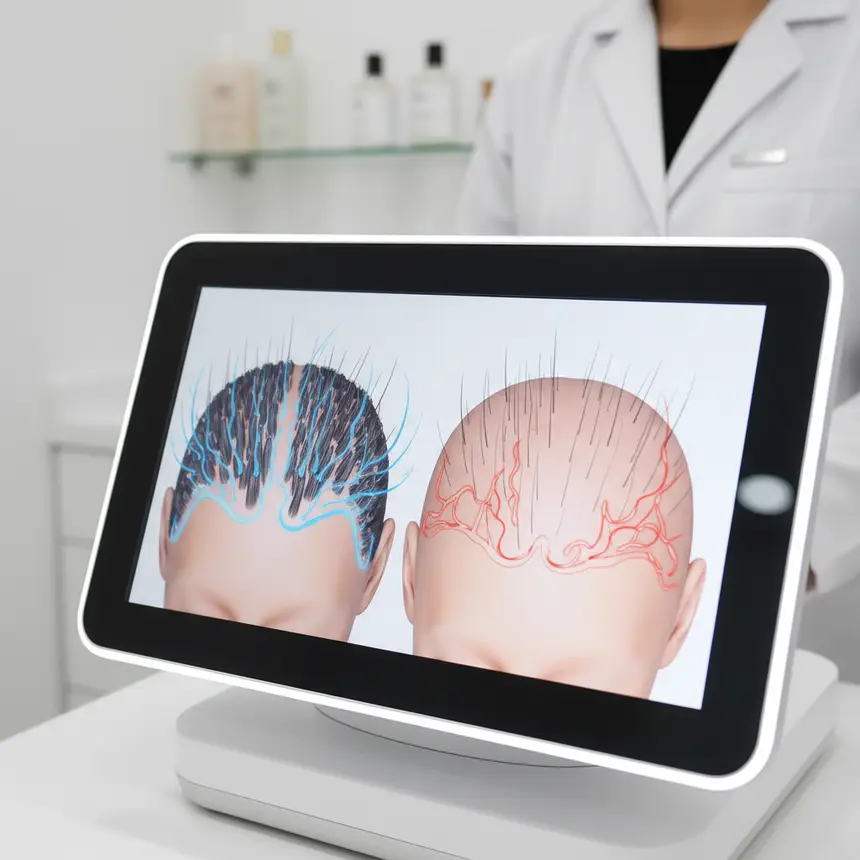
The Foundation of Personalized Care: Advanced Diagnostic Systems
The reasons behind hair thinning are incredibly diverse, necessitating equally varied management approaches. For truly effective care, a thorough diagnostic process that goes beyond simple visual inspection is essential. Experienced specialists utilize a range of advanced tools to comprehensively analyze an individual's hair and scalp condition. This often includes using high-magnification scalp microscopes to meticulously examine the health of hair follicles, hair density, and the presence of any scalp inflammation. Furthermore, an in-depth consultation covers broader lifestyle factors such as dietary habits, sleep patterns, stress levels, and family medical history to identify individual characteristics and potential contributing causes. In some cases, blood tests may be conducted to check for hormonal imbalances or nutritional deficiencies. This holistic diagnostic approach clearly identifies the specific type of hair thinning (e.g., genetic predisposition, temporary shedding due to stress, or inflammatory conditions), forming the basis for a customized management plan. Such a plan might incorporate topical applications to improve scalp health, nutritional supplementation to support hair growth, or specific guidance on lifestyle adjustments. A precise initial diagnosis prevents unnecessary trials and wasted effort, paving the way for the most efficient path to healthier hair.
※ This post contains affiliate links. I may earn a commission at no extra cost to you.


Lifestyle Modifications for Noticeable Hair Health Improvements
Alongside professional diagnosis, improving personal lifestyle habits plays a pivotal role in restoring and maintaining hair health. There are numerous accounts of individuals who, through consistent effort, gradually improved their scalp health and slowed down hair loss. For example, a middle-aged man experiencing hair thinning due to chronic stress and irregular sleep patterns, following expert advice, established a consistent sleep schedule and adopted a balanced diet rich in protein. Similarly, a woman who experienced hair shedding after a significant life event involving hormonal shifts stopped restrictive dieting and meticulously managed her scalp environment using gentle drying techniques. Both observed positive changes over several months, including reduced hair shedding and the emergence of new, finer hairs. This illustrates that hair management isn't solely about external interventions. Small, consistent changes in daily life—like adequate sleep, a nutrient-dense diet, and effective stress management—fundamentally improve the scalp environment, contributing to thicker, healthier hair. Therefore, combining a personalized management plan with healthy lifestyle practices is paramount for optimal results.
Frequently Asked Questions
Q. What type of specialist should I consult if I'm concerned about hair thinning?
A. If you're worried about hair thinning, it's best to visit a specialist who focuses on scalp and hair health. They can provide an accurate diagnosis and develop a personalized management plan tailored to your specific condition.
Q. What are the common causes of hair thinning?
A. Hair thinning can stem from a wide range of factors, including genetic predispositions, hormonal fluctuations, nutritional imbalances, stress, certain medical conditions, and unhealthy lifestyle habits. A precise diagnosis is crucial to identify the specific causes relevant to your situation.
Q. Why are lifestyle changes so important for hair management?
A. Healthy hair is intricately linked to overall physical well-being. Sufficient sleep, a balanced diet, and proper stress management all contribute to better blood circulation in the scalp and supply essential nutrients to hair follicles, positively impacting hair growth. Combining professional care with improved lifestyle habits can lead to more effective and sustainable results.
Q. How long does it typically take to see improvements in hair condition after starting a management plan?
A. The timeline for noticeable improvement varies depending on individual factors and the hair growth cycle, but it typically requires several months of consistent effort. Patience and adherence to the plan are key. Regular follow-ups with your specialist are recommended to track progress.