Frequent styes and unresolved chronic fatigue can signal a weakened immune system. Learn to recognize these subtle warnings from your body and discover practical lifestyle changes to restore healthy immunity.

Persistent Tiredness and Minor Annoyances: Is Your Body Sending a Message?
Do you often wake up feeling unrefreshed, as if you haven't slept at all, and feel heavy and sluggish throughout the day? If, on top of that, you find yourself dealing with recurring minor infections, like those annoying eyelid styes, it might be more than just being a bit under the weather. These could be subtle warnings that your body's defense system, your immunity, is under strain. What we often dismiss as everyday nuisances could actually be significant signals that the shield protecting you from external threats is weakening. Paying attention to these cues is often the first step toward maintaining a vibrant and healthy life.
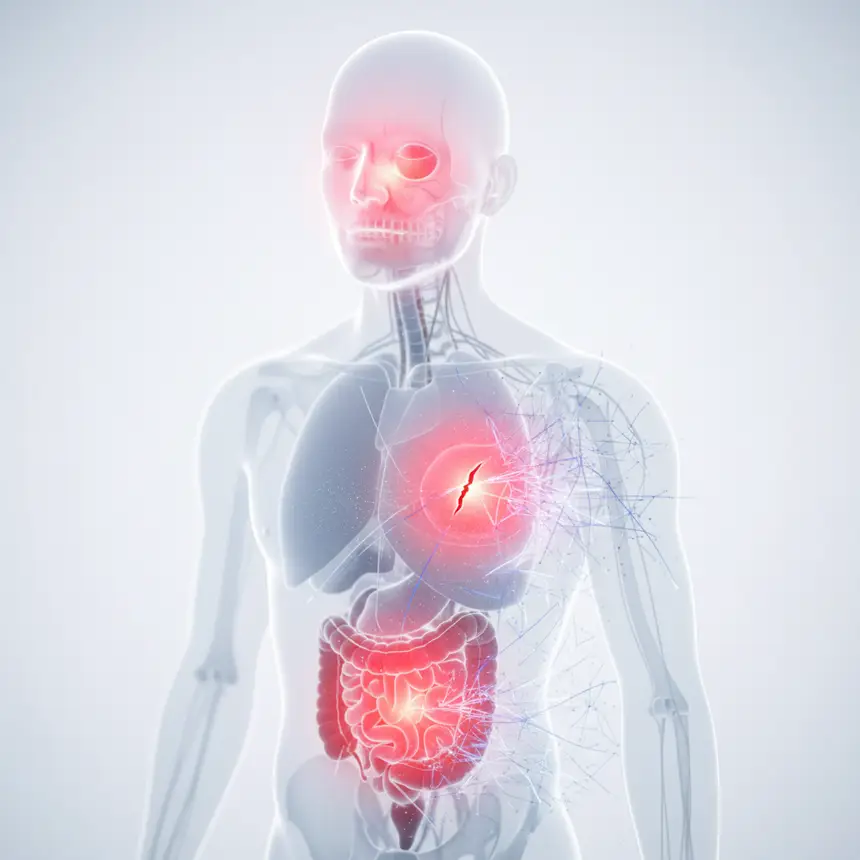
Concrete Signals Your Body Sends When Its Defenses Are Down
When your immune system becomes weakened, it communicates these changes in various ways. Beyond just feeling generally tired, you can observe several specific physical symptoms and recurrent infection issues that may indicate compromised immunity.
Furthermore, reduced immunity often increases the frequency of viral illnesses.
- Persistent Sluggishness: If you're getting enough sleep but still feel heavy and lack energy, it might indicate that your body is expending more energy than usual fighting off internal or external threats. If this feeling of lethargy persists for two to three weeks without a clear cause, it warrants attention.
- Recurring Eyelid Infections: These common bacterial infections of the eyelid glands are usually easily overcome when your body is healthy. However, if your defenses are weakened, these infections tend to recur frequently or take a long time to heal once they appear.
- Slow Skin Wound Healing: If small skin cuts take longer to heal than they used to, or if they easily get infected and inflamed more often, it could suggest a decline in your skin's self-regeneration and protective capabilities.
Furthermore, reduced immunity often increases the frequency of viral illnesses.
- Oral Blisters Around the Lips: The appearance of small blisters around your lips when you're tired or stressed can be a sign that a dormant virus has become active due to a weakened immune system.
- Frequent Colds and Digestive Upset: If you catch colds more easily than others, experience severe symptoms, and take a week or two (or longer) to recover, your immune function might be diminished. Frequent stomach upsets or gut issues due to a reduced ability to eliminate bacteria entering the gastrointestinal tract are also linked. About 70% of our body's immune cells are concentrated in the digestive system, making gut health a crucial indicator.
- Reactivation of Dormant Viruses: Viruses you contracted in childhood can lie dormant in nerve ganglia and reactivate when immunity drops sharply, causing painful skin rashes. This often occurs during periods of extreme overwork or severe stress.
※ This post contains affiliate links. I may earn a commission at no extra cost to you.


Empowering Your Body's Defenses Through Everyday Habits
Once you recognize the signals of a weakened immune system, it's time to proactively strengthen your defenses through daily habits. Consistency and regularity are often more impactful than drastic, short-lived efforts.
Your body possesses an incredible capacity for self-healing and protection. By consistently implementing these simple lifestyle habits, you can help restore your immune resilience and reclaim a more vibrant, energetic daily life.
- Quality Sleep and Adequate Hydration: Aim for seven to eight hours of deep, restorative sleep each night. This period is crucial for repairing damaged cells and reorganizing immune cells. Specific hormones released during sleep play vital roles in immune system support. Additionally, consistently drinking 1.5 to 2 liters of lukewarm water daily helps keep your respiratory mucous membranes moist, which can help prevent external viruses from entering.
- Maintain Optimal Body Temperature and Manage Stress: Research suggests that even a one-degree Celsius drop in body temperature can potentially reduce immune function by about 30%. During seasonal changes, dress in layers to adapt to temperature fluctuations, and consider warm foot soaks or baths to keep your body warm. Moreover, reducing stress, often called the root of many ailments, and cultivating a positive mindset are extremely important for immune management.
- Balanced Nutrient Intake: Reduce your consumption of processed foods and focus on a diet rich in quality protein, diverse vitamins, and minerals from whole, natural foods. Foods like garlic, various mushrooms, and whole grains are known to support immune function. For gut health, regularly consuming probiotic-rich fermented foods and dietary fiber is a direct path to building a healthy immune system.
Your body possesses an incredible capacity for self-healing and protection. By consistently implementing these simple lifestyle habits, you can help restore your immune resilience and reclaim a more vibrant, energetic daily life.
Frequently Asked Questions
Q. How can I differentiate between general tiredness and fatigue related to a weakened immune system?
A. General tiredness typically resolves with adequate rest. However, fatigue due to compromised immunity often leaves you feeling heavy and lacking energy even after sufficient sleep. If you experience persistent fatigue lasting for two to three weeks or more, it might be a sign of weakened immunity.
Q. Does diet really play a significant role in my immune health?
A. Yes, absolutely. Approximately 70% of our body's immune cells reside in the gut, so maintaining a balanced intake of nutrients and good gut health is fundamental for a strong immune system. Prioritizing whole, natural foods over processed ones is particularly important.
Q. Why is stress management so crucial for immune health?
A. Stress places a burden on various bodily systems and can weaken immune function. Chronic stress can inhibit the activity of immune cells and promote inflammatory responses. Therefore, finding effective ways to manage and reduce stress is vital for supporting your immune system.
Q. How long does it typically take to see improvements after making lifestyle changes to boost immunity?
A. It varies from person to person, but with consistent effort, you can often start to notice positive changes within a few weeks to a few months. The key is to commit to these practices from a long-term perspective rather than expecting immediate overnight results.