Are seasonal respiratory discomforts getting you down? Discover how the synergistic health benefits of bellflower, red ginseng, and pear can support your respiratory system and boost immunity. Learn practical tips for a healthier, more vibrant season.

Why Breathing Gets Tough During Season Changes and Its Impact on Daily Life
As autumn deepens and winter approaches, many of us start noticing that familiar scratchy throat, frequent coughs, and runny noses. The abrupt shifts in temperature can throw our immune system off balance, while dry air parches our respiratory membranes, making them more vulnerable to external irritants. These aren't just minor inconveniences; they can drain our daily energy, disrupt sleep, and make it hard to focus at work or school. On top of that, urban pollutants like fine dust can add extra strain to already weakened respiratory systems, creating a cycle of poor health. This time of year demands extra care and attention to keep our body's defenses strong. Beyond basic hygiene, nurturing our internal health is key.

How Environmental Shifts Affect Our Respiratory System
It’s no coincidence that our respiratory systems become more sensitive during transitional seasons. Several environmental factors converge to weaken our body's defenses. First, drastic daily temperature swings reduce our ability to regulate body temperature, diminishing the activity of immune cells as our body expends more energy adapting. Second, dry air dehydrates the mucous membranes in our nose and throat, creating an easier pathway for viruses and bacteria to invade. These moist membranes are crucial for filtering out invaders, and their function declines when dry. Third, deteriorating indoor and outdoor air quality plays a significant role. Indoor air dries out from heating, and external pollutants like smog can directly irritate respiratory membranes, triggering inflammatory responses. When these factors combine, our bronchial tubes experience much greater stress than usual, leading to various respiratory issues. A practical tip is to maintain indoor humidity between 40-60% using a humidifier or by hanging damp towels.
※ This post contains affiliate links. I may earn a commission at no extra cost to you.

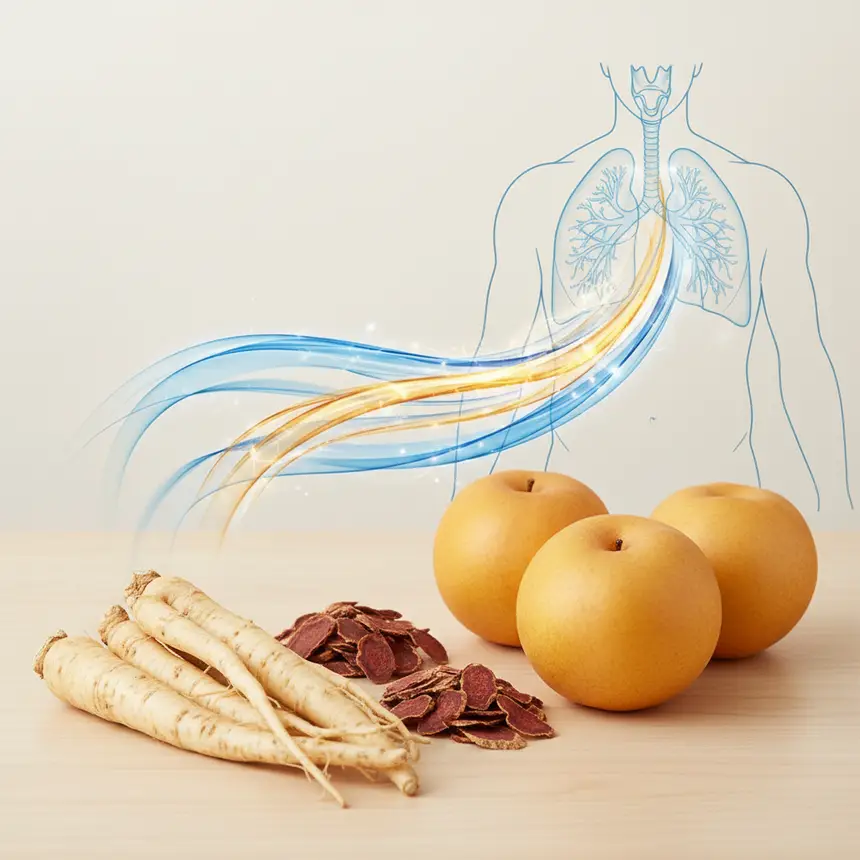
Nature's Gifts: Key Ingredients for Respiratory Well-being
Natural ingredients that can support respiratory health during seasonal transitions are gaining attention. These have been utilized for generations, passed down through traditional wisdom. First, 'bellflower root' (doraji) is renowned for its rich saponin content. These saponins are known to help promote mucus secretion in the airways and may contribute to protecting the bronchial tubes from external irritants. Next, 'red ginseng' contains unique saponins called ginsenosides, which are studied for their potential to boost immunity. Consuming red ginseng can enhance overall vitality, helping our bodies build resistance to environmental changes. Finally, 'pear' is rich in luteolin and water content, which can help alleviate throat dryness and soothe discomfort like coughing. Consuming these three ingredients together can offer the combined benefits of each, potentially creating a synergistic effect. Regular consumption, perhaps as a tea or juice, is a good approach.

Sustainable Habits for a Healthy Transition and Final Thoughts
Beyond consuming specific ingredients, improving overall lifestyle habits is essential for navigating seasonal changes healthily. Consistent health management is the most reliable way to keep our bodies strong. First, regular aerobic exercise strengthens lung function and improves blood circulation, significantly boosting immunity. Even light walking or jogging can make a difference. Second, sufficient sleep and rest are crucial for the immune system to recover and re-calibrate. Irregular sleep patterns can be a major cause of weakened immunity. Third, a balanced diet supplies our bodies with the various nutrients needed for overall health maintenance. Prioritizing seasonal fruits and vegetables is particularly beneficial. Lastly, managing stress is directly linked to immunity, so finding and practicing your own stress-relief methods is important. By consistently incorporating natural ingredients like bellflower, red ginseng, and pear, alongside these healthy lifestyle habits, you can maintain a vibrant and healthy life, even as colder seasons approach.
Frequently Asked Questions
Q. What are the most important lifestyle habits for respiratory health during seasonal changes?
A. During seasonal transitions, it's crucial to stay well-hydrated, maintain optimal indoor humidity (40-60%), practice strict personal hygiene like handwashing after being outdoors, and strengthen lung function through regular exercise.
Q. How do bellflower, red ginseng, and pear specifically benefit respiratory health?
A. Bellflower's saponins help promote mucus secretion and protect the bronchial tubes. Red ginseng's ginsenosides can support immune system function. Pears, with their luteolin and high water content, are beneficial for alleviating throat dryness and discomfort.
Q. Can you offer some dietary tips for boosting immunity?
A. To boost immunity, focus on a balanced diet rich in vitamins and minerals from seasonal fruits and vegetables, along with adequate protein and healthy fats. It's also advisable to reduce the consumption of processed foods.
Q. How can I reduce the negative impact of a dry indoor environment on my respiratory system?
A. A dry indoor environment can dehydrate and make respiratory membranes more vulnerable. Use a humidifier or hang damp laundry to maintain indoor humidity between 40-60%, and ensure regular ventilation to bring in fresh air.