Learn to recognize the subtle cues of declining liver function, from chronic fatigue to digestive issues and skin changes. Discover normal liver enzyme ranges and practical lifestyle adjustments to support your liver health starting today.

Is That Lingering Tiredness More Than Just a Bad Day?
Meet Sarah, a busy marketing professional who’s been feeling unusually sluggish lately. Despite getting what seems like enough sleep, she wakes up feeling groggy, and by mid-afternoon, a wave of exhaustion hits, making it hard to focus on her tasks. After lunch, she often feels bloated and generally uncomfortable, as if her digestion is lagging. Even a couple of drinks with friends over the weekend now leaves her feeling unwell well into Sunday, ruining her precious downtime. Sarah initially brushed it off as just being 'stressed' or 'tired,' but as these symptoms persist, a nagging worry has started to creep in. The liver, often called the 'silent organ,' rarely screams for attention until significant issues arise. This makes it easy to overlook early signals of distress. However, a compromised liver can profoundly affect your daily life and sends out subtle clues. Are you experiencing similar whispers from your body? Let's explore these important warning signs and practical ways to support your liver's vitality.
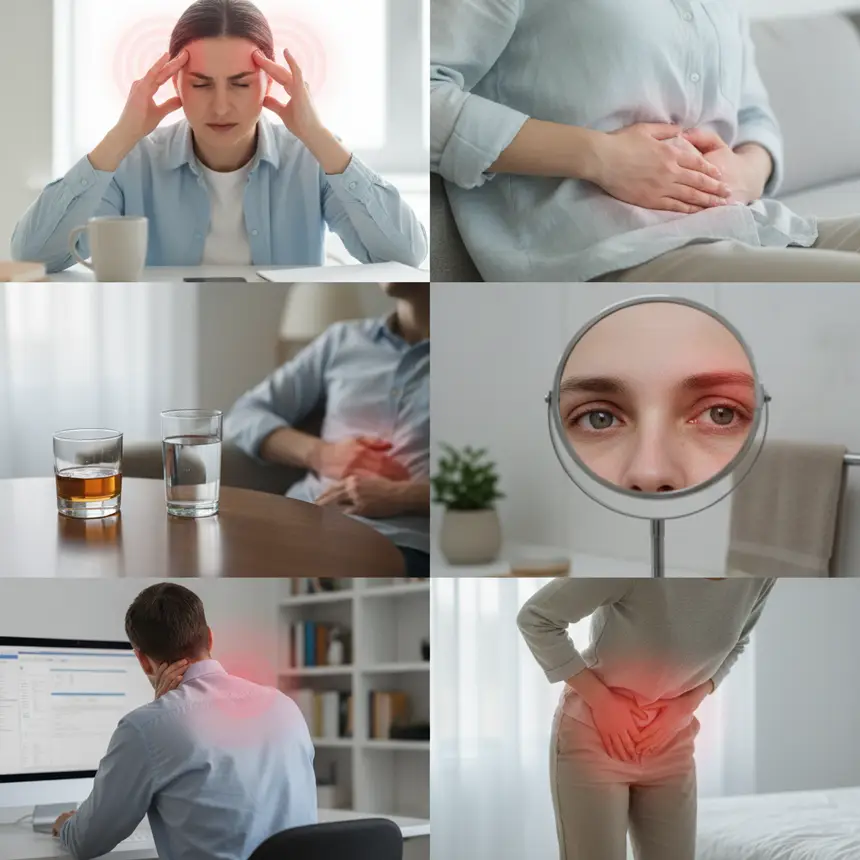
Six Key Signals Your Liver Might Be Struggling
When your liver, the body's primary detoxification plant, isn't functioning optimally, a surprising range of symptoms can emerge. Here are six crucial signals your liver might be asking for help:
1. Persistent Fatigue and Lack of Energy: If you wake up feeling unrested even after a full night's sleep, or experience a significant energy crash in the afternoon, your liver might not be efficiently processing toxins and metabolizing energy.
2. Digestive Discomfort and Bloating: The liver produces bile, essential for fat digestion. When liver function declines, bile production can falter, leading to slow digestion, gas, and bloating, especially after consuming fatty foods.
3. Reduced Alcohol Tolerance: Your liver is responsible for breaking down alcohol. If you find yourself flushing more easily or experiencing worse hangovers from less alcohol than before, it could indicate a reduced capacity for detoxification.
4. Skin and Complexion Changes: An underperforming liver can lead to an accumulation of toxins in the bloodstream, affecting your skin. This might manifest as puffy eyelids in the morning, a dull complexion, rough skin texture, or slower healing of blemishes.
5. Mental Fog and Poor Concentration: The liver helps supply energy to the brain and filters toxins from the blood. Impaired liver function can disrupt this, leading to difficulty concentrating, memory lapses, and a general 'foggy' feeling.
6. Frequent Gut Issues like Burping, Gas, and Heartburn: Liver health is linked to overall digestive efficiency. When the liver struggles, it can impact digestive enzyme flow and bile secretion, contributing to issues like frequent burping, abdominal distension, and heartburn.
1. Persistent Fatigue and Lack of Energy: If you wake up feeling unrested even after a full night's sleep, or experience a significant energy crash in the afternoon, your liver might not be efficiently processing toxins and metabolizing energy.
2. Digestive Discomfort and Bloating: The liver produces bile, essential for fat digestion. When liver function declines, bile production can falter, leading to slow digestion, gas, and bloating, especially after consuming fatty foods.
3. Reduced Alcohol Tolerance: Your liver is responsible for breaking down alcohol. If you find yourself flushing more easily or experiencing worse hangovers from less alcohol than before, it could indicate a reduced capacity for detoxification.
4. Skin and Complexion Changes: An underperforming liver can lead to an accumulation of toxins in the bloodstream, affecting your skin. This might manifest as puffy eyelids in the morning, a dull complexion, rough skin texture, or slower healing of blemishes.
5. Mental Fog and Poor Concentration: The liver helps supply energy to the brain and filters toxins from the blood. Impaired liver function can disrupt this, leading to difficulty concentrating, memory lapses, and a general 'foggy' feeling.
6. Frequent Gut Issues like Burping, Gas, and Heartburn: Liver health is linked to overall digestive efficiency. When the liver struggles, it can impact digestive enzyme flow and bile secretion, contributing to issues like frequent burping, abdominal distension, and heartburn.
※ This post contains affiliate links. I may earn a commission at no extra cost to you.


Everyday Strategies for Nurturing Your Liver Health
Recognizing your liver's signals is the first step; active management is next. Here are practical ways to maintain a healthy liver:
1. Understand Your Liver Health Markers: Common blood tests include ALT (GPT) and AST (GOT), which indicate liver cell damage, typically normal below 40 U/L. GGT levels relate to alcohol and toxin processing, while bilirubin reflects waste excretion efficiency. If these levels are outside the normal range, it suggests liver strain, warranting a consultation with a healthcare professional.
2. Seven Actionable Liver-Supportive Habits:
1. Understand Your Liver Health Markers: Common blood tests include ALT (GPT) and AST (GOT), which indicate liver cell damage, typically normal below 40 U/L. GGT levels relate to alcohol and toxin processing, while bilirubin reflects waste excretion efficiency. If these levels are outside the normal range, it suggests liver strain, warranting a consultation with a healthcare professional.
2. Seven Actionable Liver-Supportive Habits:
- Implement at least three 'alcohol-free days' each week to give your liver a break.
- Reduce your intake of excessive fats, sugars, and late-night meals to ease your liver's workload.
- Sip water regularly throughout the day rather than drinking large amounts at once, ensuring consistent hydration.
- Build your diet around lean proteins (chicken, fish, legumes) and a wide variety of vegetables for balanced nutrition.
- Consider supplementing with key nutrients like B vitamins, Omega-3 fatty acids, specific botanicals (e.g., milk thistle extract), and Vitamin D, which can support liver function.
- Avoid caffeine late in the day and prioritize consistent, quality sleep to aid liver regeneration.
- Manage stress through practices like meditation or light exercise, as stress can burden the liver. Ensure you get adequate rest.

Cherish Your Silent Workhorse: Your Liver
Your liver, one of the body's most diligent and silent partners, is at the heart of countless life-sustaining activities—detoxification, metabolism, and energy storage, to name a few. It tirelessly works behind the scenes, maintaining your body's delicate balance, often without you even noticing. The various signs of declining liver function we've discussed today are your liver's SOS messages. Listening to these messages is the first crucial step toward a healthier life. Acknowledge that common daily discomforts—like chronic fatigue, digestive issues, or skin changes—might be linked to your liver's well-being. By embracing the practical lifestyle guidelines provided, you can start making small, positive changes today. Consistent healthy habits will protect your liver and, in turn, significantly enhance your overall quality of life. A healthy liver is fundamental to maintaining your body's vibrant energy. So, give your liver the attention and care it deserves, starting now.
Frequently Asked Questions
Q. How soon do symptoms of impaired liver function typically appear?
A. The liver is incredibly resilient and often shows no obvious symptoms until more than 70% of its function is compromised, earning it the nickname 'the silent organ.' However, subtle signs like fatigue, digestive upset, and skin changes can appear earlier, making it crucial to pay attention to even minor shifts in your well-being.
Q. Does an elevated liver enzyme reading always mean serious liver problems?
A. Not necessarily. Liver enzyme levels can temporarily increase due to factors like heavy alcohol consumption, certain medications, strenuous exercise, or even a common cold. However, persistently elevated levels or those accompanied by other symptoms warrant further investigation and consultation with a healthcare professional to rule out underlying liver issues.
Q. What specific foods or nutrients are most beneficial for liver wellness?
A. Foods that support liver health include fresh vegetables (like broccoli, spinach), fruits, whole grains, lean meats, and fish. Key nutrients include B vitamins (essential for detoxification), antioxidants like Vitamins C and E, specific botanical extracts (e.g., milk thistle), and Omega-3 fatty acids, known for their anti-inflammatory properties.
Q. How is persistent fatigue connected to liver health?
A. The liver plays a central role in energy metabolism and detoxifying the body. When liver function is impaired, energy production can become inefficient, and toxins can accumulate, leading to persistent fatigue. If you experience ongoing tiredness even after adequate rest, it’s worth considering your liver health.
Q. Can liver function decline even if I don't drink alcohol?
A. Yes, absolutely. Liver function can decline due to various factors unrelated to alcohol, such as non-alcoholic fatty liver disease (often linked to excessive carbohydrate and fat intake), side effects from certain medications, viral infections, autoimmune diseases, and obesity.