The small intestine is key to nutrient absorption and overall vitality. Discover practical food choices and lifestyle habits to foster a healthy gut and boost your well-being.

H2. The Unsung Hero: Why Small Intestine Health is Crucial
Often overshadowed by its larger counterpart, the small intestine is a powerhouse organ critical for our overall well-being. It's where the magic of nutrient absorption happens, transforming the food we eat into fuel for every cell in our body. If your small intestine isn't functioning optimally, even the most nutritious diet might not deliver the benefits you expect. This can lead to persistent fatigue, a weakened immune system, and various digestive discomforts. A healthy small intestine isn't just about digestion; it's the foundation for your energy levels, mental clarity, and body's defense mechanisms. Recognizing its importance is the first step toward a healthier you.
H2. Modern Lifestyle Threats to Your Small Intestine
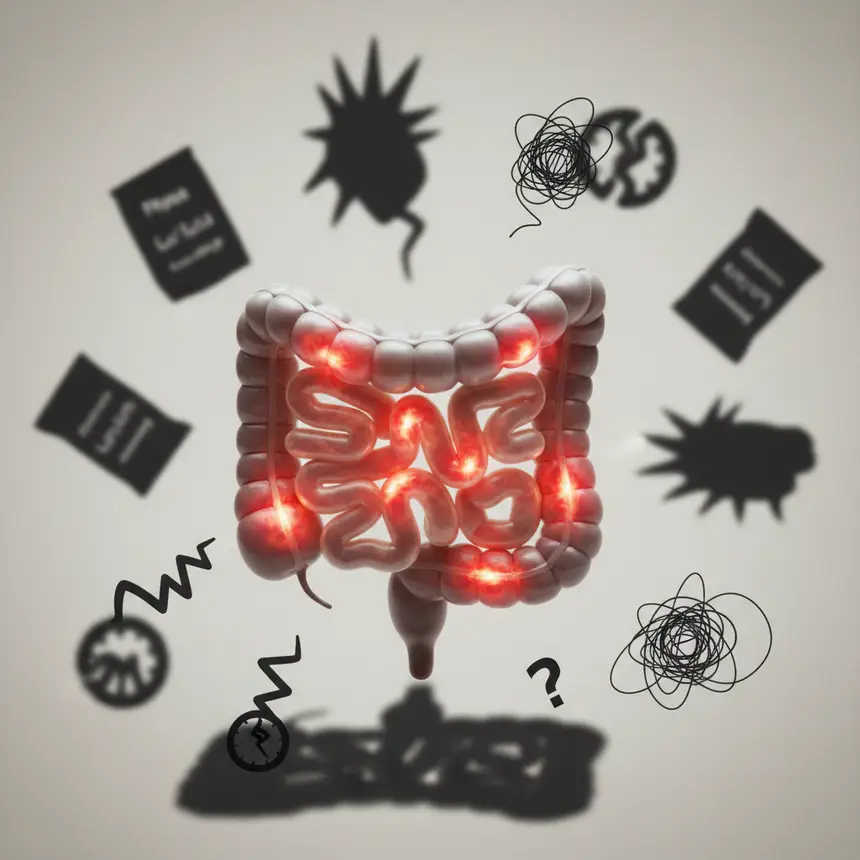
In today's fast-paced world, our eating habits and daily routines often inadvertently harm our small intestine. Highly processed foods, laden with artificial additives, excessive sugars, and refined carbohydrates, can disrupt the delicate balance of beneficial gut bacteria, allowing harmful microbes to thrive. This imbalance can compromise the integrity of the intestinal lining, potentially leading to inflammation and discomfort. Furthermore, irregular meal times, insufficient water intake, and chronic stress directly impact intestinal motility and digestive enzyme production, leading to poor digestion and nutrient malabsorption. These factors combine to create a challenging environment for this vital organ, affecting your health far beyond your digestive tract.
※ This post contains affiliate links. I may earn a commission at no extra cost to you.

H2. Nourishing Your Small Intestine: Dietary and Lifestyle Strategies
Restoring and maintaining a healthy small intestine hinges on adopting supportive dietary choices and lifestyle practices. -
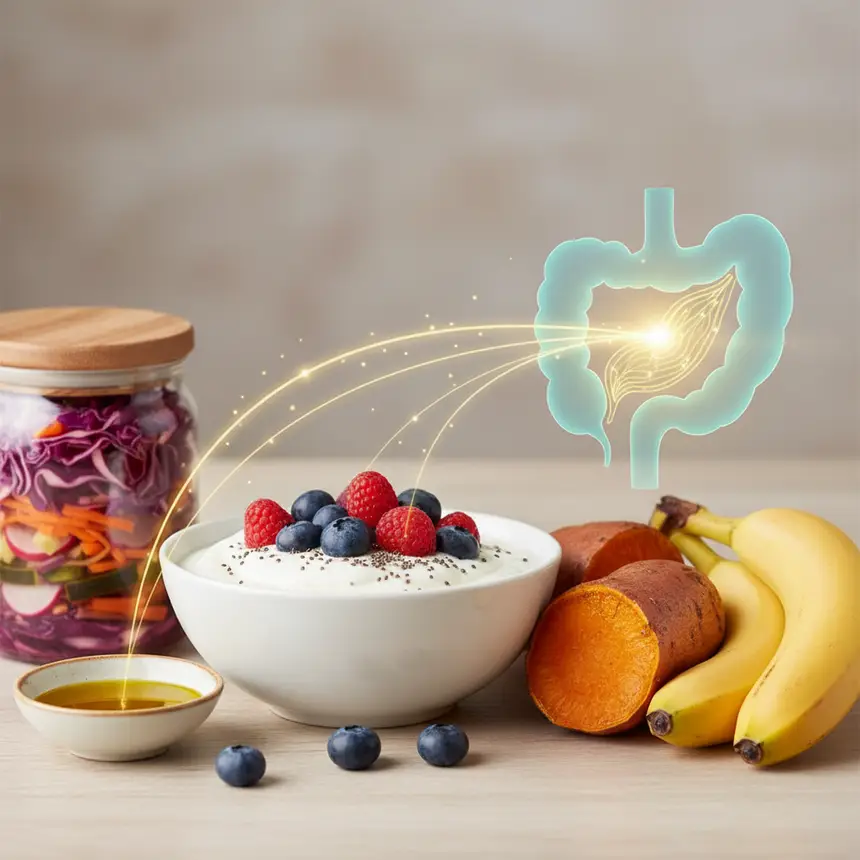
Probiotic-Rich Foods: Incorporate fermented foods like yogurt, sauerkraut, and kimchi into your diet to boost beneficial gut bacteria, aiding digestion and nutrient assimilation. Consistency is key. -
Prebiotic Powerhouses: Foods such as bananas, sweet potatoes, onions, and garlic are rich in prebiotics, which feed your healthy gut bacteria, fostering a thriving internal ecosystem. -
Quality Dietary Fiber: Whole grains, a variety of vegetables, and fruits provide essential fiber that promotes regular bowel movements and helps cleanse the small intestine, keeping it healthy. -
Healthy Fats: Sources like olive oil, avocados, and nuts offer monounsaturated and polyunsaturated fats that can support the health of the intestinal lining and may help reduce inflammation. -
Regular, Gentle Movement: Engaging in light exercises like walking, gentle jogging, or yoga can stimulate gut motility, improving digestion. A short walk after meals can be particularly beneficial.
Probiotic-Rich Foods: Incorporate fermented foods like yogurt, sauerkraut, and kimchi into your diet to boost beneficial gut bacteria, aiding digestion and nutrient assimilation. Consistency is key. -
Prebiotic Powerhouses: Foods such as bananas, sweet potatoes, onions, and garlic are rich in prebiotics, which feed your healthy gut bacteria, fostering a thriving internal ecosystem. -
Quality Dietary Fiber: Whole grains, a variety of vegetables, and fruits provide essential fiber that promotes regular bowel movements and helps cleanse the small intestine, keeping it healthy. -
Healthy Fats: Sources like olive oil, avocados, and nuts offer monounsaturated and polyunsaturated fats that can support the health of the intestinal lining and may help reduce inflammation. -
Regular, Gentle Movement: Engaging in light exercises like walking, gentle jogging, or yoga can stimulate gut motility, improving digestion. A short walk after meals can be particularly beneficial.
H2. Building a Daily Routine for Optimal Gut Health
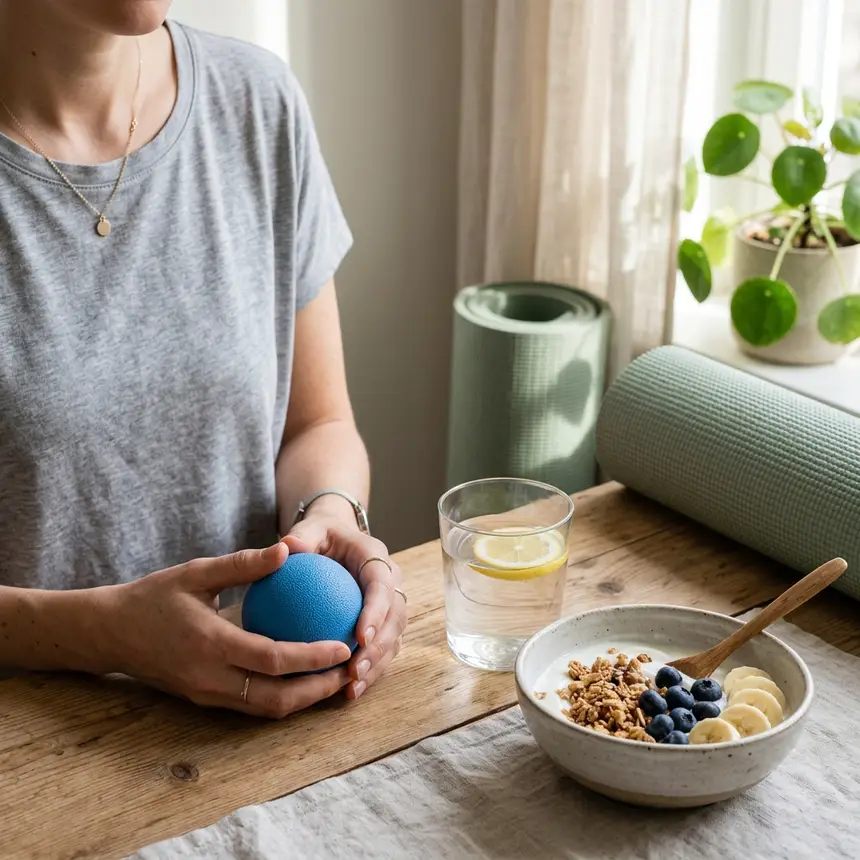
Achieving and maintaining a healthy small intestine is a journey, not a destination, requiring consistent, mindful habits. Try integrating these routines into your daily life: -
Consistent Meal Times: Eating at regular intervals helps regulate your digestive system and minimizes digestive strain. Avoid erratic eating patterns. -
Ample Hydration: Aim for 1.5 to 2 liters of water daily to support waste elimination and smooth digestive processes. It's often best to drink water between meals rather than during. -
Stress Management: Dedicate time for stress-reducing activities like meditation, deep breathing exercises, or engaging in hobbies. Stress has a direct, negative impact on gut health. -
Mindful Eating: Chew your food thoroughly and eat slowly. This aids the action of digestive enzymes and reduces the burden on your small intestine, optimizing nutrient absorption. -
Minimize Processed Foods: Actively reduce your intake of instant meals, fast food, and sugary drinks. Prioritize fresh, whole, and natural ingredients in your diet.
Consistent Meal Times: Eating at regular intervals helps regulate your digestive system and minimizes digestive strain. Avoid erratic eating patterns. -
Ample Hydration: Aim for 1.5 to 2 liters of water daily to support waste elimination and smooth digestive processes. It's often best to drink water between meals rather than during. -
Stress Management: Dedicate time for stress-reducing activities like meditation, deep breathing exercises, or engaging in hobbies. Stress has a direct, negative impact on gut health. -
Mindful Eating: Chew your food thoroughly and eat slowly. This aids the action of digestive enzymes and reduces the burden on your small intestine, optimizing nutrient absorption. -
Minimize Processed Foods: Actively reduce your intake of instant meals, fast food, and sugary drinks. Prioritize fresh, whole, and natural ingredients in your diet.
H2. Your Small Intestine: The Cornerstone of Holistic Health
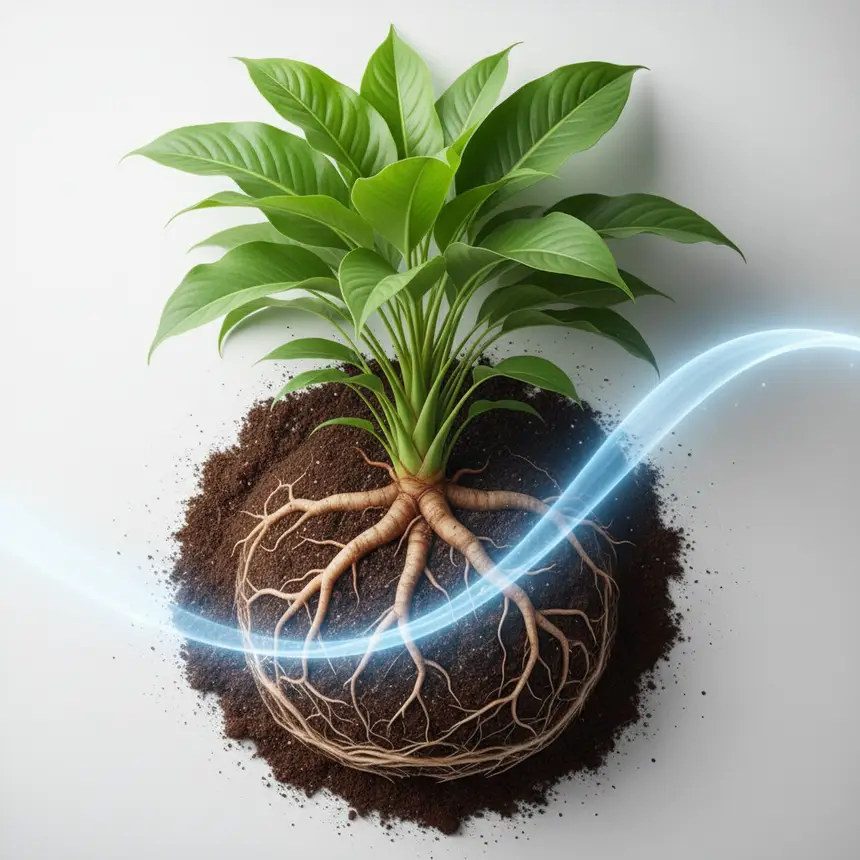
Think of your small intestine as the root system of a tree; a strong root system is essential for a thriving tree. Similarly, a healthy small intestine is fundamental for your entire body to flourish, affecting everything from your immune response and skin clarity to your mood regulation and overall energy levels. Start with small, manageable changes today. Choosing one healthy meal, drinking an extra glass of water, or taking a few moments to de-stress can make a significant difference. These consistent, small steps accumulate over time, fortifying your body's internal engine and leading you towards a more vibrant and energetic life. Investing in your small intestine's health is one of the wisest self-care decisions you can make.
Frequently Asked Questions
Q. Why is small intestine health so vital for my overall body?
A. The small intestine is the primary site for nutrient absorption. A healthy small intestine ensures your body gets the vitamins, minerals, and energy it needs, supporting everything from immune function to energy levels and mood.
Q. What types of foods are best for supporting small intestine health?
A. Focus on probiotic-rich fermented foods (yogurt, sauerkraut), prebiotic sources (bananas, sweet potatoes, garlic), high-fiber whole grains and vegetables, and healthy fats like olive oil and avocados.
Q. What common habits can harm my small intestine?
A. Frequent consumption of processed foods, high sugar intake, refined carbohydrates, irregular meal patterns, and insufficient water intake are common culprits that can negatively impact small intestine function.
Q. How long does it typically take to see improvements in small intestine health?
A. Gut health is a gradual process. While some may feel improvements in a few weeks, significant and lasting changes typically require consistent effort over several months as your gut microbiome rebalances and repairs.