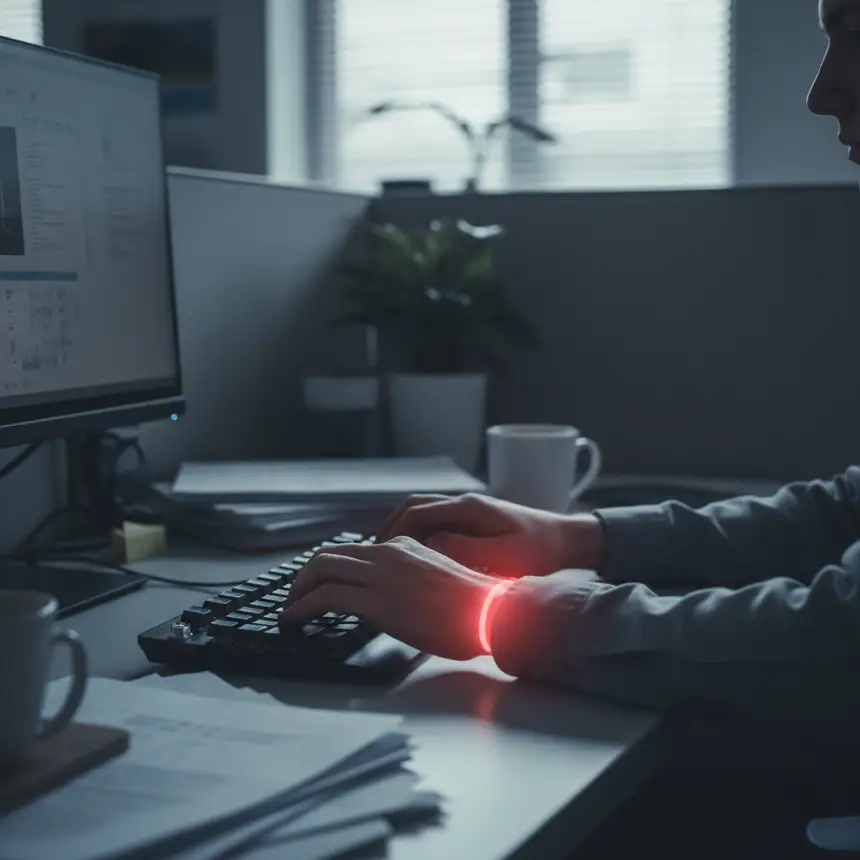
Ever felt your eyes burn and head throb after hours of screen time or intense focus? Discover the intricate connection between eye strain and headaches, and practical strategies to find relief. Take charge of your eye health and banish those nagging head pains.

The All-Too-Familiar Ache: When Eye Strain Leads to a Head Pounder
You know the drill: you've been glued to your laptop for a work deadline, or maybe you just finished a marathon gaming session or binged your favorite show. At first, it's just that familiar gritty, tired feeling in your eyes. But then, a dull ache starts creeping in, settling behind your eyes, moving to your temples, or even tightening the muscles in the back of your neck. This isn't just "being tired." This escalating discomfort, where eye fatigue morphs into a full-blown headache, is a common experience for many. It often doesn't hit you immediately but might start building about 30 minutes to an hour after you've pushed your eyes too hard. And frustratingly, it can linger for an hour or two even after you step away and try to relax, seriously putting a damper on your day.
The Surprising Connection Between Your Eyes and Your Aching Head
1. Overworking the Visual System
Your eyes are incredibly complex, powered by tiny, dedicated muscles that work tirelessly to help you focus and move your gaze. When you spend hours staring at a screen, reading fine print, or concentrating intensely on anything up close, these muscles, especially the ciliary muscles inside your eye and the extraocular muscles around it, go into overdrive. Imagine holding a heavy weight with your arm for hours; eventually, that muscle will scream in protest. The same happens with your eye muscles. They become fatigued, stiff, and can even go into spasm, sending discomfort signals that radiate beyond the immediate eye area.
2. Decoding Referred Pain
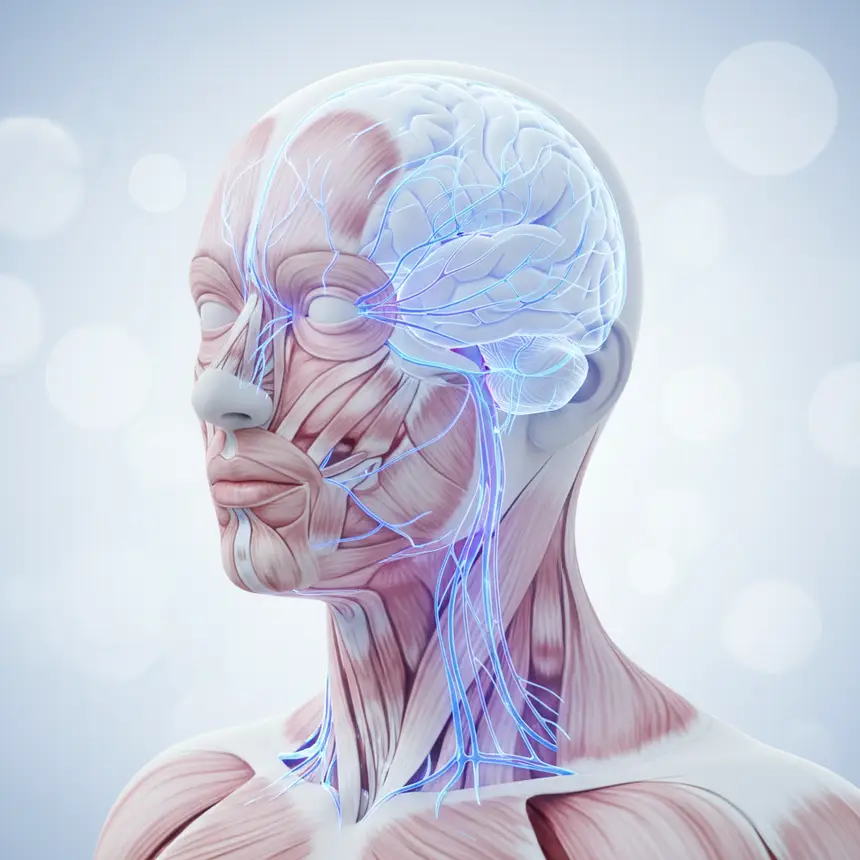
One fascinating reason why eye strain can lead to a headache is a phenomenon called "referred pain." It’s when your brain gets a bit confused about where the pain is actually coming from. Persistent tension in your eye muscles doesn't just stay in your eyes; it can trigger a ripple effect. Because your eye muscles are neurologically linked to other muscles in your head, face, neck, and even shoulders, that initial eye strain can be "referred" to these areas. So, instead of feeling pain directly in your eyeball, you might experience it as a throbbing in your temples, a tightness across your forehead, or a nagging ache at the base of your skull. These referred pains can stick around for several hours and might even recur over several days.
3. The Body's Stress Response to Visual Fatigue
Prolonged visual concentration isn't just tiring for your eyes; it's a form of stress for your entire body. When you're intensely focused, your body often tenses up, especially in the neck and shoulder region. There's a strong, direct link between your eye movements and the muscles supporting your head and neck. As your eyes strain, these supporting muscles instinctively tighten to help stabilize your head for better focus. This sustained muscle contraction is a classic trigger for what we commonly call a "tension headache." This type of headache often feels like a constant, dull ache or pressure around your head, like a tight band squeezing it. If your eye strain isn't addressed, these tension headaches can become more frequent and persistent, creating a frustrating cycle of discomfort.
Your eyes are incredibly complex, powered by tiny, dedicated muscles that work tirelessly to help you focus and move your gaze. When you spend hours staring at a screen, reading fine print, or concentrating intensely on anything up close, these muscles, especially the ciliary muscles inside your eye and the extraocular muscles around it, go into overdrive. Imagine holding a heavy weight with your arm for hours; eventually, that muscle will scream in protest. The same happens with your eye muscles. They become fatigued, stiff, and can even go into spasm, sending discomfort signals that radiate beyond the immediate eye area.
2. Decoding Referred Pain
One fascinating reason why eye strain can lead to a headache is a phenomenon called "referred pain." It’s when your brain gets a bit confused about where the pain is actually coming from. Persistent tension in your eye muscles doesn't just stay in your eyes; it can trigger a ripple effect. Because your eye muscles are neurologically linked to other muscles in your head, face, neck, and even shoulders, that initial eye strain can be "referred" to these areas. So, instead of feeling pain directly in your eyeball, you might experience it as a throbbing in your temples, a tightness across your forehead, or a nagging ache at the base of your skull. These referred pains can stick around for several hours and might even recur over several days.
3. The Body's Stress Response to Visual Fatigue
Prolonged visual concentration isn't just tiring for your eyes; it's a form of stress for your entire body. When you're intensely focused, your body often tenses up, especially in the neck and shoulder region. There's a strong, direct link between your eye movements and the muscles supporting your head and neck. As your eyes strain, these supporting muscles instinctively tighten to help stabilize your head for better focus. This sustained muscle contraction is a classic trigger for what we commonly call a "tension headache." This type of headache often feels like a constant, dull ache or pressure around your head, like a tight band squeezing it. If your eye strain isn't addressed, these tension headaches can become more frequent and persistent, creating a frustrating cycle of discomfort.
※ This post contains affiliate links. I may earn a commission at no extra cost to you.


Practical Steps for Soothing Your Eyes and Easing Headaches
1. The 20-20-20 Rule and Mindful Breaks
One of the simplest yet most effective ways to combat digital eye strain is the "20-20-20 rule." Every 20 minutes, shift your gaze to something 20 feet away (about 6 meters) for at least 20 seconds. This gives your eye muscles a much-needed break from constant close-up focus. Beyond this rule, consciously take short breaks. Close your eyes for 10-15 seconds; this allows your natural tears to refresh your eye surface and gives your eye muscles a moment of complete relaxation. These tiny interruptions can significantly reduce cumulative fatigue.
2. Gentle Movements for Ocular Relief
Just like any other muscle group, your eye muscles benefit from gentle movement and stretching. Try simple eye exercises: slowly roll your eyes in a full circle, both clockwise and counter-clockwise. Or, practice shifting your focus between a near object (like your thumb) and a distant object (across the room). Another soothing technique is "palming": rub your hands together to create warmth, then gently cup your warm palms over your closed eyes for a minute or two. This warmth and darkness can help relax eye muscles and improve circulation. Don't forget to include gentle neck and shoulder stretches to release any tension that might be contributing to referred pain.
3. Optimize Your Workspace for Visual Comfort
Your environment plays a huge role in eye strain. Position your computer monitor so the top of the screen is at or slightly below eye level, and maintain a viewing distance of about 20-28 inches (50-70 cm). Ensure your lighting is adequate – not too dim, which forces your eyes to strain, and not too bright, which can cause glare. Minimize screen glare by adjusting your monitor or using anti-glare filters. Dry air can exacerbate dry eyes, leading to more strain, so consider using a humidifier in your workspace to maintain optimal humidity levels. These ergonomic adjustments can make a substantial difference in reducing the burden on your eyes and head.
One of the simplest yet most effective ways to combat digital eye strain is the "20-20-20 rule." Every 20 minutes, shift your gaze to something 20 feet away (about 6 meters) for at least 20 seconds. This gives your eye muscles a much-needed break from constant close-up focus. Beyond this rule, consciously take short breaks. Close your eyes for 10-15 seconds; this allows your natural tears to refresh your eye surface and gives your eye muscles a moment of complete relaxation. These tiny interruptions can significantly reduce cumulative fatigue.
2. Gentle Movements for Ocular Relief
Just like any other muscle group, your eye muscles benefit from gentle movement and stretching. Try simple eye exercises: slowly roll your eyes in a full circle, both clockwise and counter-clockwise. Or, practice shifting your focus between a near object (like your thumb) and a distant object (across the room). Another soothing technique is "palming": rub your hands together to create warmth, then gently cup your warm palms over your closed eyes for a minute or two. This warmth and darkness can help relax eye muscles and improve circulation. Don't forget to include gentle neck and shoulder stretches to release any tension that might be contributing to referred pain.
3. Optimize Your Workspace for Visual Comfort
Your environment plays a huge role in eye strain. Position your computer monitor so the top of the screen is at or slightly below eye level, and maintain a viewing distance of about 20-28 inches (50-70 cm). Ensure your lighting is adequate – not too dim, which forces your eyes to strain, and not too bright, which can cause glare. Minimize screen glare by adjusting your monitor or using anti-glare filters. Dry air can exacerbate dry eyes, leading to more strain, so consider using a humidifier in your workspace to maintain optimal humidity levels. These ergonomic adjustments can make a substantial difference in reducing the burden on your eyes and head.

Prioritizing Eye Health for Overall Well-being
Headaches stemming from eye strain are more than just an inconvenience; they're a clear signal from your body that it needs attention. In our digitally-driven world, completely avoiding screens isn't realistic, but adopting small, consistent habits can make a profound difference in your eye and overall health. Making time for regular eye breaks, optimizing your environment, and incorporating gentle stretches can prevent the buildup of visual fatigue. By proactively caring for your eyes, you can not only alleviate those nagging headaches but also enjoy a more comfortable and productive daily life. If, despite these self-care measures, your headaches persist for several days or recur frequently over a week or two, it’s always wise to consult with a healthcare professional for a proper diagnosis and personalized advice. Your eyes are your windows to the world; treat them with the care they deserve.
Frequently Asked Questions
Q. Why does eye strain cause headaches?
A. Prolonged close-up work or screen time can overwork your eye muscles, leading to fatigue and tension. This tension can then trigger pain signals that travel to your head or neck, often experienced as referred pain.
Q. What's the quickest way to relieve an eye strain headache?
A. The "20-20-20 rule" is a great start: every 20 minutes, look at something 20 feet away for 20 seconds. Also, closing your eyes for a brief period or gently cupping warm palms over them can provide immediate relief.
Q. How do tension headaches relate to eye fatigue?
A. When your eyes are fatigued, the muscles around your eyes, neck, and shoulders often tense up in response to the visual stress. This sustained muscle contraction is a common trigger for tension headaches, which can feel like a tight band around your head.
Q. When should I be concerned about my eye strain headaches?
A. If your headaches persist for several days to a week or two despite self-care, or if they occur frequently and interfere with your daily life, it's advisable to consult an eye care professional or a neurologist for a proper diagnosis and guidance.