Ever wonder why weight management feels harder for some? This post explores the crucial role of metabolic health in obesity prevention and offers practical, actionable strategies for sustainable weight management. Transform your health with lasting habits.

Why Do Some People Gain Weight More Easily Than Others?
It's a common frustration: you put in the effort, you watch what you eat, yet the numbers on the scale just don't budge, or worse, they climb steadily. Meanwhile, your friend seems to eat whatever they want without consequence. This isn't just about willpower; it often boils down to how your body processes and stores energy—your unique metabolism. If your body isn't efficiently using the fuel you give it, or if it's prone to storing excess as fat, progress can feel incredibly slow, even with dedicated effort. This metabolic imbalance isn't just about appearance; it can place significant strain on your internal organs and overall health. For instance, elevated levels of certain fats in your bloodstream can reduce the flexibility of your blood vessels, hindering circulation and leaving you feeling tired or short of breath more easily. Furthermore, these metabolic patterns can manifest differently between sexes. Men often accumulate fat deep within the abdomen, while women, influenced by hormonal fluctuations, tend to store fat in areas like the hips, thighs, and arms, which can impact menstrual cycles and skin health. Therefore, the most effective starting point for managing your weight isn't comparing yourself to others, but rather genuinely understanding your own body's unique signals and needs.
Unpacking the Hidden Causes of Weight Gain and Boosting Metabolic Efficiency
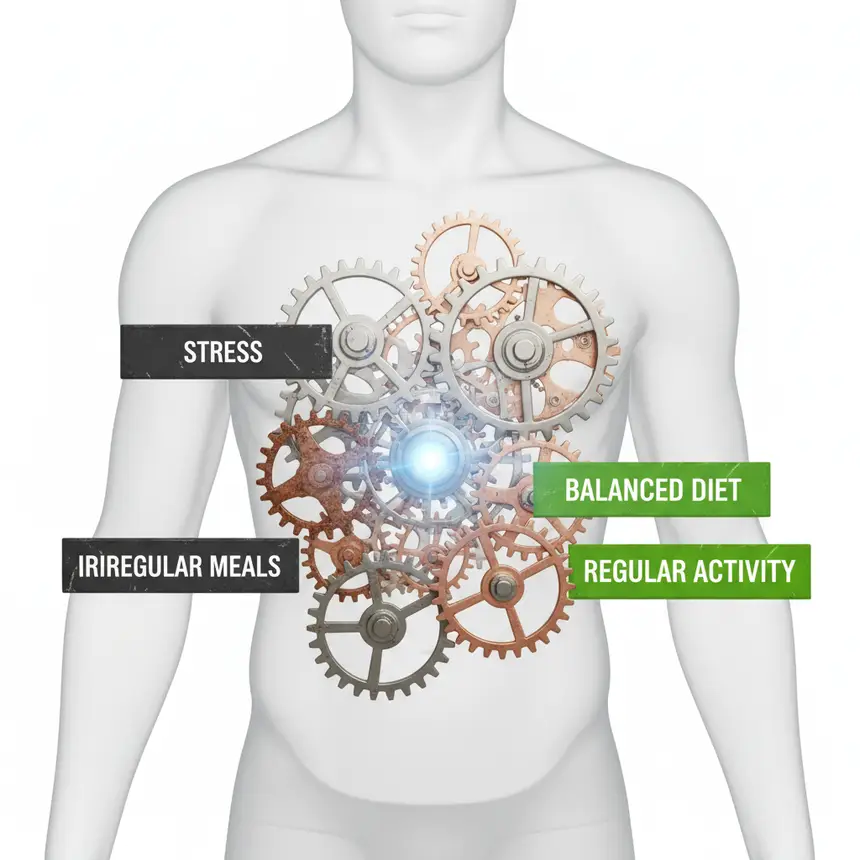
When weight seems to accumulate effortlessly or becomes stubbornly hard to shed, several interconnected factors are usually at play. First, "a lower basal metabolic rate (BMR)" means your body burns fewer calories at rest. This baseline energy expenditure is influenced by age, muscle mass, and genetics, making it harder to create a calorie deficit even with physical activity. Second, "chronic stress and erratic eating patterns" contribute significantly. Using food as a coping mechanism for stress or skipping meals only to overeat later can lead to drastic spikes in blood sugar. This triggers an overproduction of insulin, a hormone that promotes fat storage, setting up a vicious cycle of hunger and subsequent overconsumption. Third, your "individual biological makeup" plays a role. Some individuals have highly efficient digestive systems that readily absorb and store nutrients, while others might have slower metabolic processes that hinder efficient waste removal.
Attempting to tackle these issues with extreme dietary restrictions often backfires. While you might see initial weight loss, it's frequently due to water and muscle mass reduction, not fat. Your body interprets severe calorie restriction as a famine, activating survival mode to slow down metabolism and increase fat-storing tendencies for future scarcity. This can also lead to digestive discomfort from increased stomach acid, and for women, hormonal imbalances disrupting menstrual cycles. The true solution lies not in quick fixes but in enhancing your body's metabolic efficiency and restoring a healthy energy balance. Consistent, balanced nutrition coupled with regular physical activity is key to helping your body effectively utilize and store energy.
Attempting to tackle these issues with extreme dietary restrictions often backfires. While you might see initial weight loss, it's frequently due to water and muscle mass reduction, not fat. Your body interprets severe calorie restriction as a famine, activating survival mode to slow down metabolism and increase fat-storing tendencies for future scarcity. This can also lead to digestive discomfort from increased stomach acid, and for women, hormonal imbalances disrupting menstrual cycles. The true solution lies not in quick fixes but in enhancing your body's metabolic efficiency and restoring a healthy energy balance. Consistent, balanced nutrition coupled with regular physical activity is key to helping your body effectively utilize and store energy.
※ This post contains affiliate links. I may earn a commission at no extra cost to you.


Everyday Habits for Sustainable Weight Management
Maintaining a healthy weight sustainably relies on consistently integrating small, positive changes into your daily routine. First, "prioritize adequate hydration". Water is crucial for metabolic processes and can help you feel full, preventing overeating. Start your day with a glass of lukewarm water and continue sipping throughout the day, especially before and between meals. Second, "optimize your meal sequence" to better manage blood sugar. Begin your meals with fiber-rich vegetables to increase satiety and slow down glucose absorption, then move on to lean proteins, and finally, consume complex carbohydrates like whole grains. This sequence helps stabilize blood sugar and insulin levels. Third, "increase your non-exercise activity thermogenesis (NEAT)". If you find it hard to schedule formal workouts, look for ways to boost movement throughout your day. Take the stairs instead of the elevator, park further away, walk during phone calls, or simply stand up and stretch regularly. Even engaging your core muscles while sitting can contribute to energy expenditure and muscle activation. Fourth, "focus on gradual, sustainable changes" rather than striving for perfection. Celebrate small victories, like making a healthier choice today than yesterday. Remember that these small, consistent efforts compound over time to create significant, lasting positive changes. By adopting these practical habits, you can restore your body's metabolic balance and reclaim vibrant health.
Frequently Asked Questions
Q. Why do I gain weight easily even when I eat less?
A. This can stem from a combination of factors, including a lower basal metabolic rate, blood sugar imbalances from irregular eating, stress hormone fluctuations, or individual genetic predispositions that affect how your body processes and stores energy.
Q. Can crash dieting actually lead to more weight gain in the long run?
A. Yes, extreme calorie restriction can signal to your body that it's in a state of emergency, slowing metabolism, causing muscle loss, and making your body more prone to storing fat when food becomes available again.
Q. What's the best first step for effective weight management?
A. The most effective first step is to understand your current body state by observing your eating habits, activity levels, and stress triggers. From there, gradually introduce small, sustainable healthy habits that fit your lifestyle.
Q. How does meal sequencing help with weight management?
A. Eating vegetables first, which are rich in fiber, helps increase fullness and slows down the absorption of sugars into the bloodstream. This helps regulate insulin production, reduces fat storage, and contributes to more stable energy levels throughout the day.
Q. I don't have time for the gym. How can I increase my activity levels?
A. Focus on increasing your Non-Exercise Activity Thermogenesis (NEAT). This means incorporating more movement into your daily routine, such as taking the stairs, walking or standing more, parking further away, or doing short stretches throughout the day. Every little bit adds up!